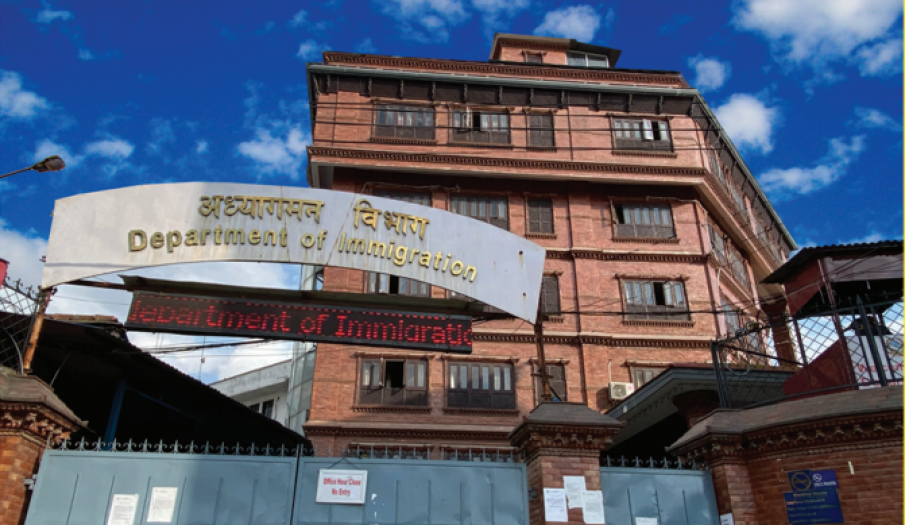
In a move aimed at facilitating smooth travel experiences for international tourists during Nepal’s biggest festival, the Department of Immigration has announced that its tourist visa and agency units will remain open throughout the Dashain public holidays, except for the main day of Tika. According to the notice issued by Immigration Officer Shiva Kumar Adhikari, the office will provide services from 11:00 am to 1:00 pm between September 29 and October 3, with the exception of October 2 (Dashami) when operations will be closed.
The announcement comes as a relief for travelers arriving in Nepal during the festive season, ensuring that essential immigration-related services remain available despite the nationwide holiday.

Tourism and Dashain: A Crucial Balance
Dashain, Nepal’s most celebrated festival, often leads to closures in government offices, banks, and corporate sectors, sometimes causing disruptions in routine services. For the tourism industry, which heavily depends on smooth travel arrangements, such long public holidays can pose challenges. International visitors often arrive with tight schedules, and a delay in processing visas or agency-related documentation could impact their itineraries.
By keeping its key units operational, the Department of Immigration has signaled its recognition of tourism as a national priority sector. The timing is especially important, as the Dashain period coincides with the peak tourist season in Nepal. September and October are considered the best months for trekking, adventure tourism, and cultural exploration due to favorable weather conditions.
Supporting Peak Season Arrivals
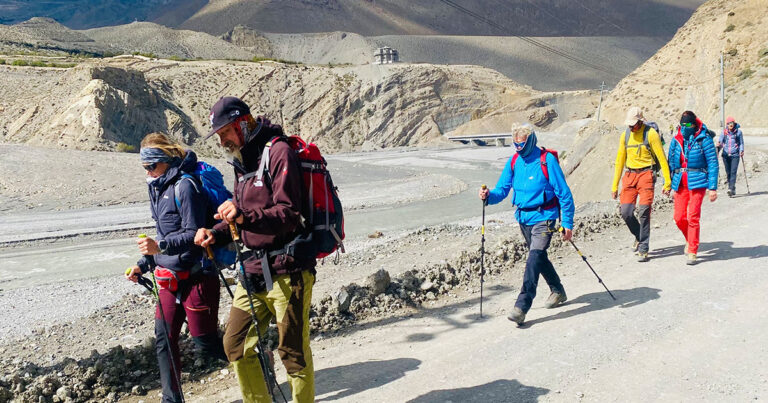
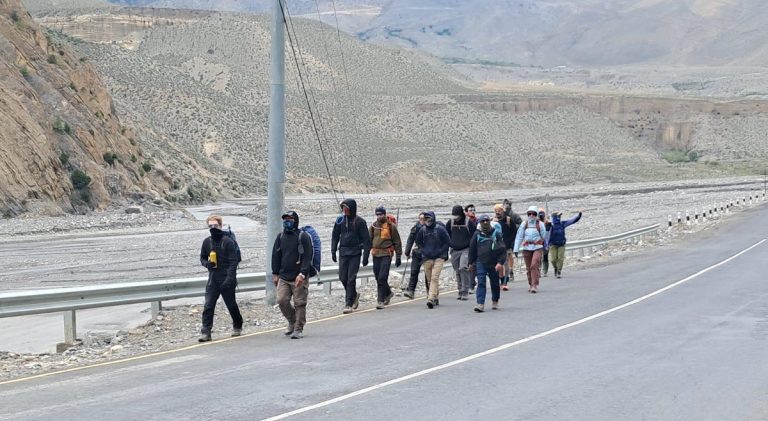
Every year, thousands of international tourists flock to Nepal during autumn, making it one of the busiest times for the tourism industry. From the Everest Base Camp Trek to the Annapurna Circuit and cultural tours in Kathmandu Valley, demand for travel services surges. The open immigration units will ensure that visitors arriving during Dashain can extend their stay, renew visas, or complete agency-related procedures without unnecessary delays.
This move also reflects the government’s commitment to align administrative support with Nepal’s broader goal of reviving and expanding its tourism sector post-pandemic. The Tourism Vision 2030 envisions Nepal as a world-class destination, and facilitating uninterrupted services during festivals is a practical step in that direction.
Message of Hospitality to International Tourists
Nepal is globally recognized for its warm hospitality, and the decision to provide immigration services during Dashain strengthens this image. For tourists unfamiliar with local holidays, encountering closed government offices can often lead to confusion and frustration. The proactive step by the Department sends a strong message that Nepal is prepared to welcome visitors even during its biggest celebrations.
Tour operators and travel agencies have also expressed appreciation, noting that it will allow them to operate seamlessly without having to worry about bureaucratic bottlenecks. The availability of visa services will particularly benefit last-minute travelers and those seeking to extend their stays for trekking or cultural exploration.
Collaboration Between Immigration and Tourism Stakeholders
Industry insiders suggest that this decision reflects growing collaboration between immigration authorities and tourism stakeholders. In recent years, both sectors have been working more closely to streamline visitor experiences, including the introduction of online visa systems, e-gates at Tribhuvan International Airport, and simplified permit processes for trekking.
By prioritizing service continuity during Dashain, the Immigration Department demonstrates that inter-agency cooperation is key to tourism growth. The tourism sector contributes significantly to Nepal’s economy, generating jobs, foreign exchange, and cultural exchange. Any measure that eases the journey of travelers enhances Nepal’s competitiveness in the global tourism market.
Balancing Festivity with Responsibility
While Dashain remains a time for family gatherings and cultural traditions, the partial operation of immigration services highlights a balance between celebration and responsibility. The limited working hours, two hours daily, allow staff to participate in festivities while ensuring that critical services are not completely halted.
Such a model may also serve as a precedent for other essential services in the tourism and hospitality industry during extended national holidays. Maintaining operational flexibility ensures that Nepal can enjoy its festivals without compromising the convenience of its visitors.
Economic Impact on Tourism During Dashain
Tourism businesses anticipate that uninterrupted immigration services will translate into higher satisfaction rates among travelers, potentially encouraging repeat visits. For a country targeting two million annual tourist arrivals in the near future, service efficiency is just as crucial as natural beauty or cultural heritage.
Dashain is also a time when many Nepalis living abroad return home. The immigration department’s open schedule will serve not just international tourists but also members of the Nepali diaspora arriving for family reunions. The ability to handle both categories of travelers smoothly will minimize congestion and delays at critical entry points.
Looking Ahead: Tourism-Friendly Policies
The Immigration Department’s decision aligns with Nepal’s broader efforts to build a tourism-friendly policy environment. Plans are already underway to digitize more immigration processes, expand e-visa facilities, and improve airport infrastructure. If such measures are consistently implemented, Nepal will be better positioned to compete with other South Asian and Himalayan destinations such as Bhutan, India, and Tibet.
Furthermore, extending such proactive policies during other major festivals, like Tihar, Holi, or regional celebrations, could establish Nepal as a destination where tourists face minimal administrative hurdles regardless of the season.

A Step Toward a Tourist-Centric Nepal
The decision to keep tourist visa and agency units open during Dashain, except on the day of Tika, is more than an administrative adjustment, it is a tourism-friendly gesture that reflects Nepal’s recognition of the sector’s importance. As the country gears up for one of its busiest travel seasons, this move ensures that visitors continue to experience Nepal as an accessible and welcoming destination.
By aligning cultural celebrations with service commitments, Nepal demonstrates that tourism and tradition can coexist harmoniously. This balance will be vital as the country strives to strengthen its reputation on the global tourism stage, offering not only breathtaking landscapes and rich heritage but also efficient and thoughtful visitor services.