In a major rescue operation, more than 1,000 mountaineers and support staff trapped by severe snowfall on the Tibetan Plateau near Mount Everest have been safely evacuated, according to reports from Chinese state media. The incident highlights both the growing popularity of high-altitude tourism in China’s western plateau and the inherent risks associated with extreme mountain environments.
High-Altitude Tourism Draws Thousands
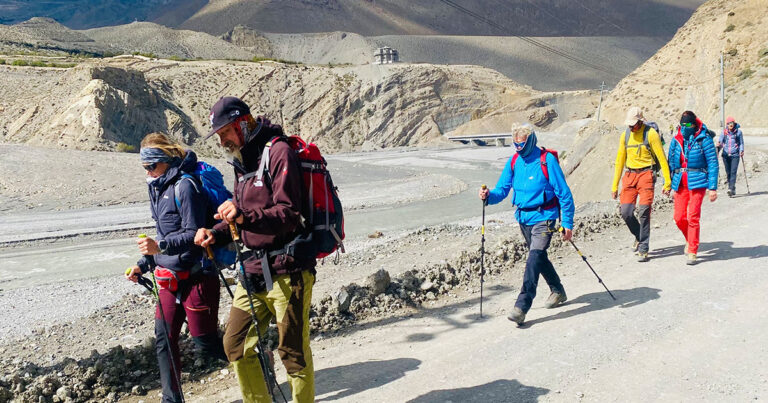
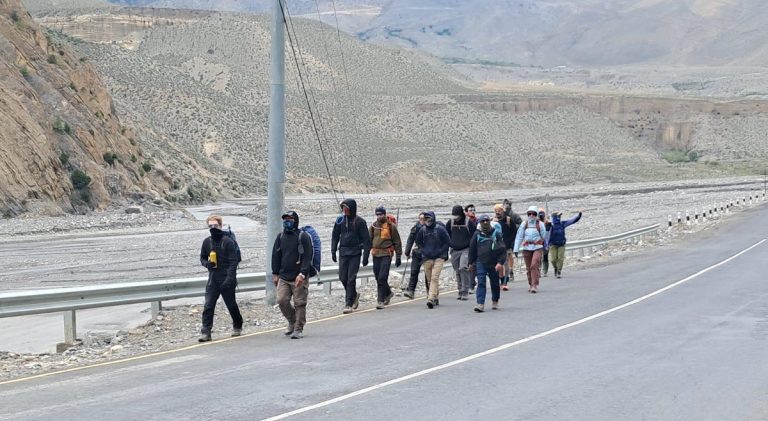
In recent years, tourism in China’s western highlands has expanded rapidly, attracting adventure enthusiasts, trekkers, and international mountaineers. During this year’s eight-day national holiday, thousands of tourists and adventure seekers were drawn to the region’s well-known trekking routes and high-altitude camps, eager to experience the breathtaking landscapes near the world’s highest peak.

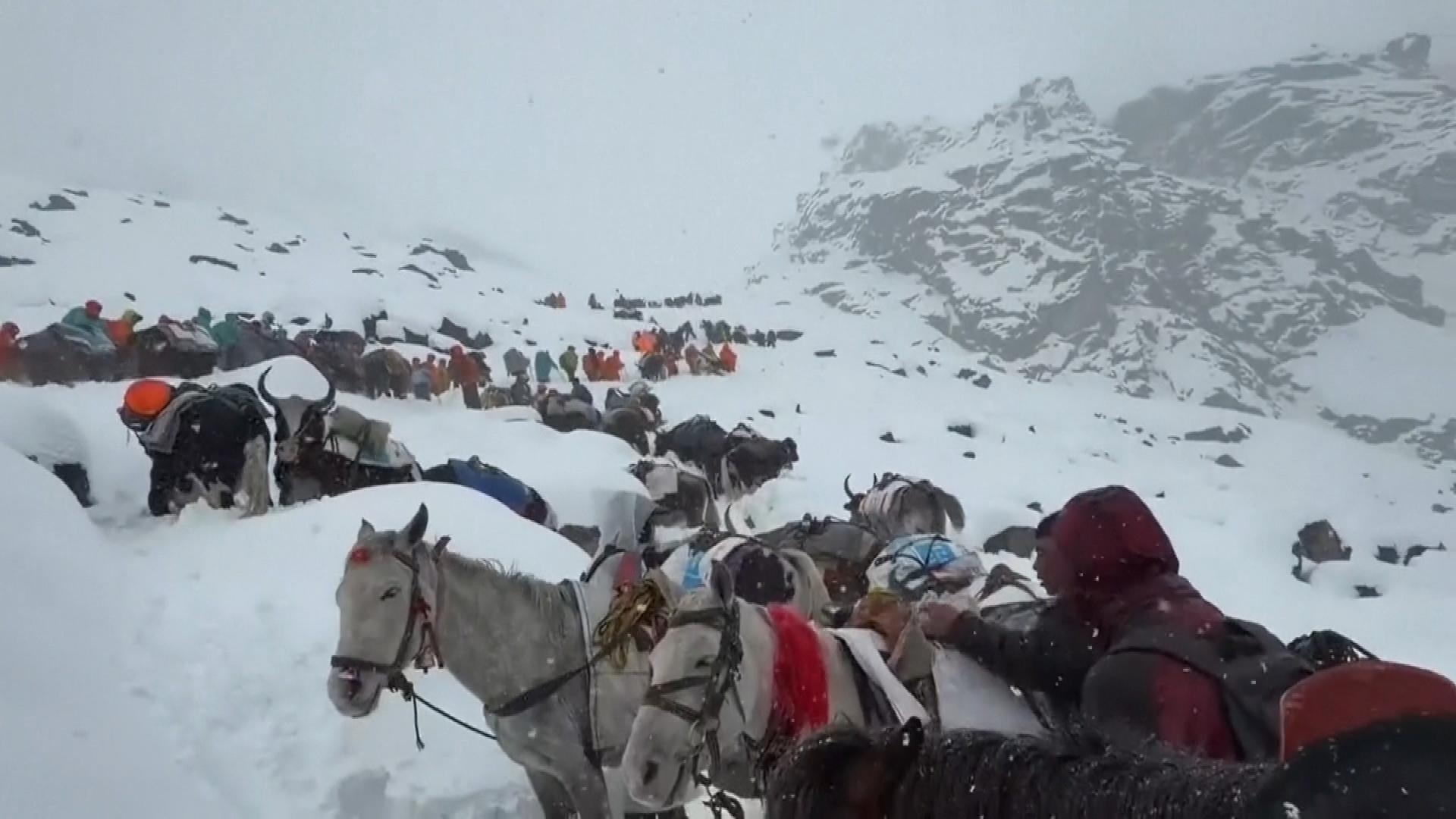
However, the weekend brought unexpectedly heavy snowfall, which buried several camps and left hundreds of climbers stranded. The extreme weather created dangerous conditions, prompting an urgent need for coordinated rescue efforts.
Massive Rescue Operation Mobilized
Rescue teams swiftly launched a large-scale operation involving firefighters, horses, yaks, and drones to reach the stranded mountaineers. According to the Chinese news agency Xinhua, the operation successfully evacuated 580 climbers along with over 300 local guides, staff members, and yak herders to nearby settlements.
In addition, rescuers were able to deliver essential supplies to about a dozen more climbers, ensuring they reached safe locations without incident. The use of drones and pack animals played a critical role in navigating the rugged terrain and deep snow, enabling a timely and efficient rescue.
Safety Restored, Rescue Operation Concludes
With the successful evacuation of all mountaineers and support personnel, authorities formally concluded the Everest region rescue operation. Officials confirmed that no casualties were reported and that all rescued individuals were accounted for.
The incident underscores the challenges of high-altitude tourism, especially in areas prone to sudden weather changes. It also highlights the effectiveness of coordinated rescue strategies, combining traditional methods with modern technology, to ensure the safety of adventurers in extreme environments.

Looking Ahead: Tourism and Safety in the Region
While tourism continues to grow in China’s western plateau, authorities emphasize the importance of preparedness and caution. Tourists are advised to monitor weather forecasts, follow safety guidelines, and rely on trained local guides when trekking in high-altitude areas.
The successful operation has also demonstrated the readiness of local rescue teams and the infrastructure in place to respond to emergencies in one of the world’s most challenging terrains. As adventure tourism continues to attract international visitors, maintaining safety protocols remains a top priority.