The Nepal Tourism Board (NTB) has officially launched a new monthly digital publication titled “Tourism Insights”, aimed at providing comprehensive data, trends, and global perspectives related to Nepal’s tourism sector. The initiative is designed to serve policymakers, tourism industry stakeholders, and researchers by offering clear, fact-based information to support informed decision-making and strategic planning.
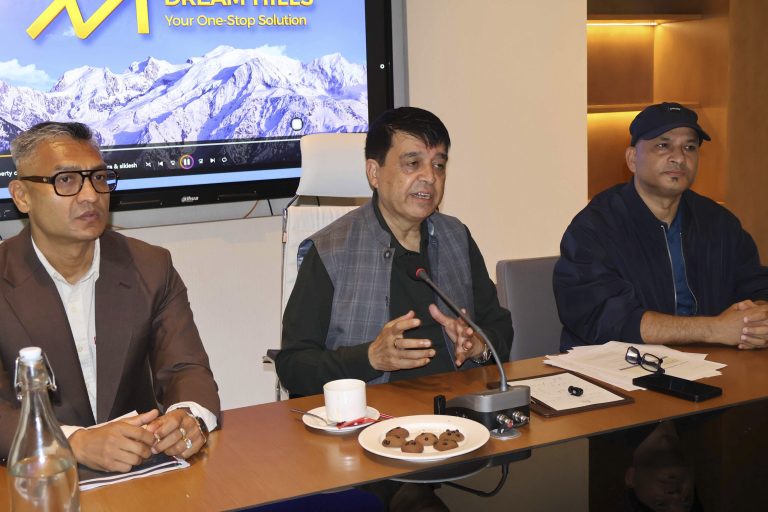
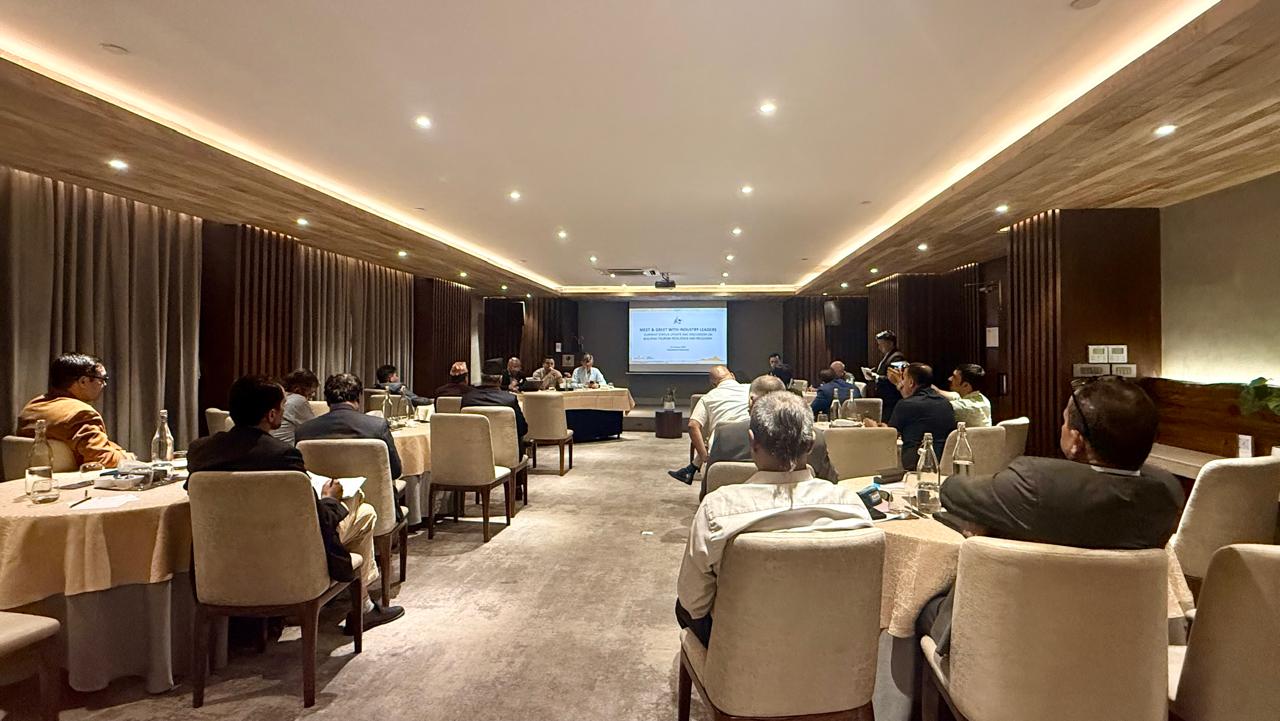
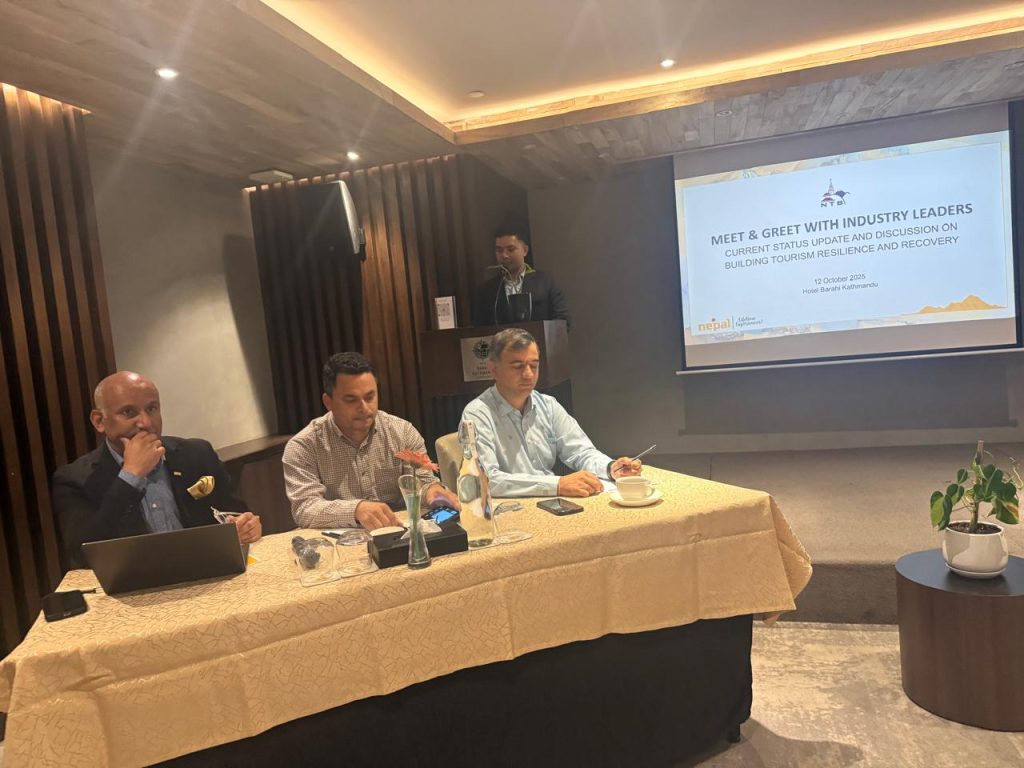
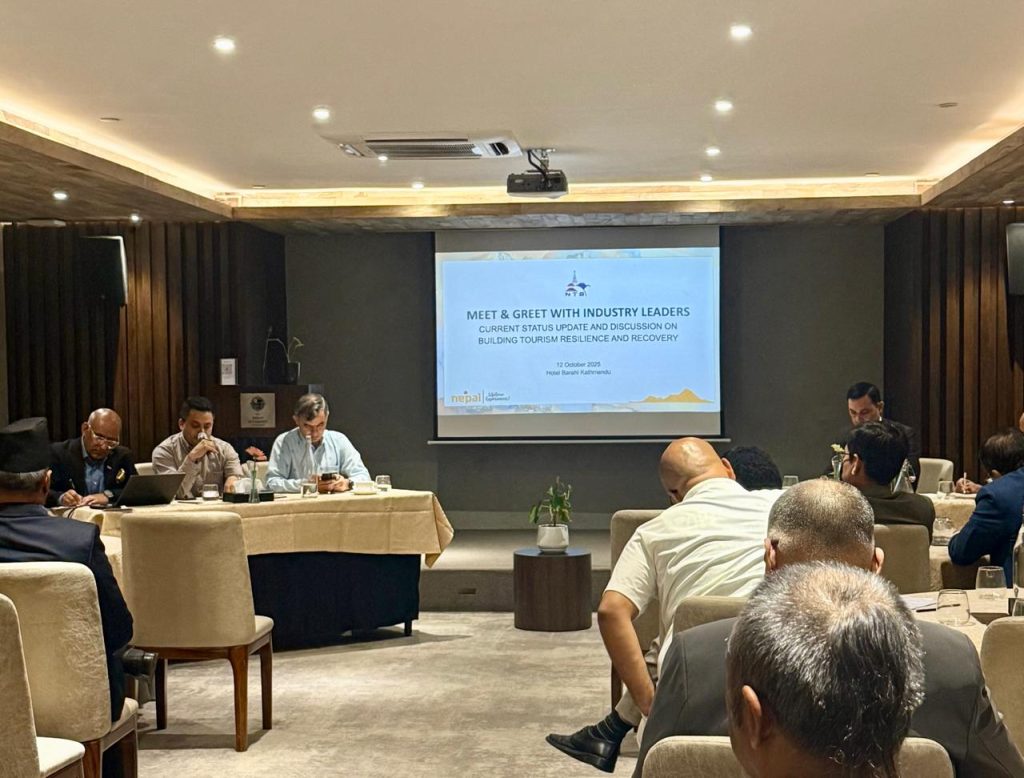
The launch took place during a “Meet and Greet” event held in Kathmandu on Sunday, which brought together key representatives and leaders from various tourism associations. The event focused on the theme “Current State of Tourism and Strategies for Recovery”, highlighting the publication’s role in guiding Nepal’s tourism revival and sustainable development.

Comprehensive Data and Global Perspectives
According to Kabindra Bhatta, an officer in NTB’s Research Department, the publication consolidates essential statistics, including visitor arrivals, key source markets, regional inflows, foreign exchange earnings, and foreign direct investment. In addition to national data, the platform integrates insights and trends from international organizations such as the United Nations World Tourism Organization (UNWTO) and the World Travel and Tourism Council (WTTC).
The goal of “Tourism Insights” is to provide an evidence-based resource that enables policymakers and industry professionals to better understand tourism dynamics and to make informed decisions for long-term planning. By combining local statistics with global benchmarks, the publication positions itself as a strategic tool for Nepal’s tourism sector.
Board Leadership Highlights Strategic Vision
During the event, NTB Chief Executive Officer Deepak Raj Joshi emphasized that the publication would guide the tourism sector toward sustainable development. He noted that following recent challenges, the board has taken active measures to ensure the sector’s safety and resilience, presenting Nepal as a secure and attractive destination to international travelers.
Joshi further highlighted efforts undertaken to revive tourism post-crisis, including safety protocols, marketing campaigns, and coordination with key stakeholders to rebuild confidence among tourists and investors.
Stakeholders Stress Collaboration and Policy Support
Board Vice-Chair Ram Prasad Sapkota underscored the need for stronger collaboration with the private sector, suggesting that improved coordination and clear communication could further reinforce tourism policies. He emphasized that aligning government priorities with industry needs is crucial for effective tourism development.
Board member Rishi Bhandari expressed concern that while past governments showed interest in tourism, the current administration has not prioritized the sector adequately. Similarly, Board member Narendra Bhatt, who also serves as General Secretary of PATA, stressed the importance of developing long-term strategies to prevent the sector from weakening during times of crisis.
Kumar Mani Thapaliya, NTB board member and Chair of NATTA, mentioned initiatives such as opening offices in major markets, including India, to promote Nepal as a tourism destination. He also highlighted challenges arising from legal constraints that have occasionally hindered the board’s operational effectiveness.
Private Sector Calls for Collective Action
Representatives from private tourism associations echoed the need for collective efforts to promote Nepal as a safe and attractive destination. Binayak Shah, President of Hotel Association Nepal, highlighted ongoing issues faced by hotels and stressed collaboration across sectors.
Leaders from prominent associations, including Khem Lakai (PATA), Sagar Pandey (TAAN), Man Bahadur Shahi (SOTTO), Chopendra Khadka (Rural Tourism Promotion Forum), and Suresh Budal (PATA CEO), proposed strategies such as inviting international influencers, enhancing promotion through national and international media, and forming government-industry task forces to address crises effectively. Pampha Dhamala, head of NTB’s Tourism Department, also emphasized coordinated efforts for sustainable tourism development.

Toward a Sustainable Tourism Future
The launch of “Tourism Insights” marks a significant step toward strengthening Nepal’s tourism infrastructure and strategic planning. By providing comprehensive, research-backed data and global trends, the NTB aims to empower policymakers, industry stakeholders, and researchers to make informed decisions that will promote sustainable growth, resilience, and international competitiveness.
The publication is expected to become a cornerstone resource for the sector, ensuring that both public and private actors can collaboratively navigate challenges, seize opportunities, and advance Nepal’s position as a safe, attractive, and globally recognized tourism destination.