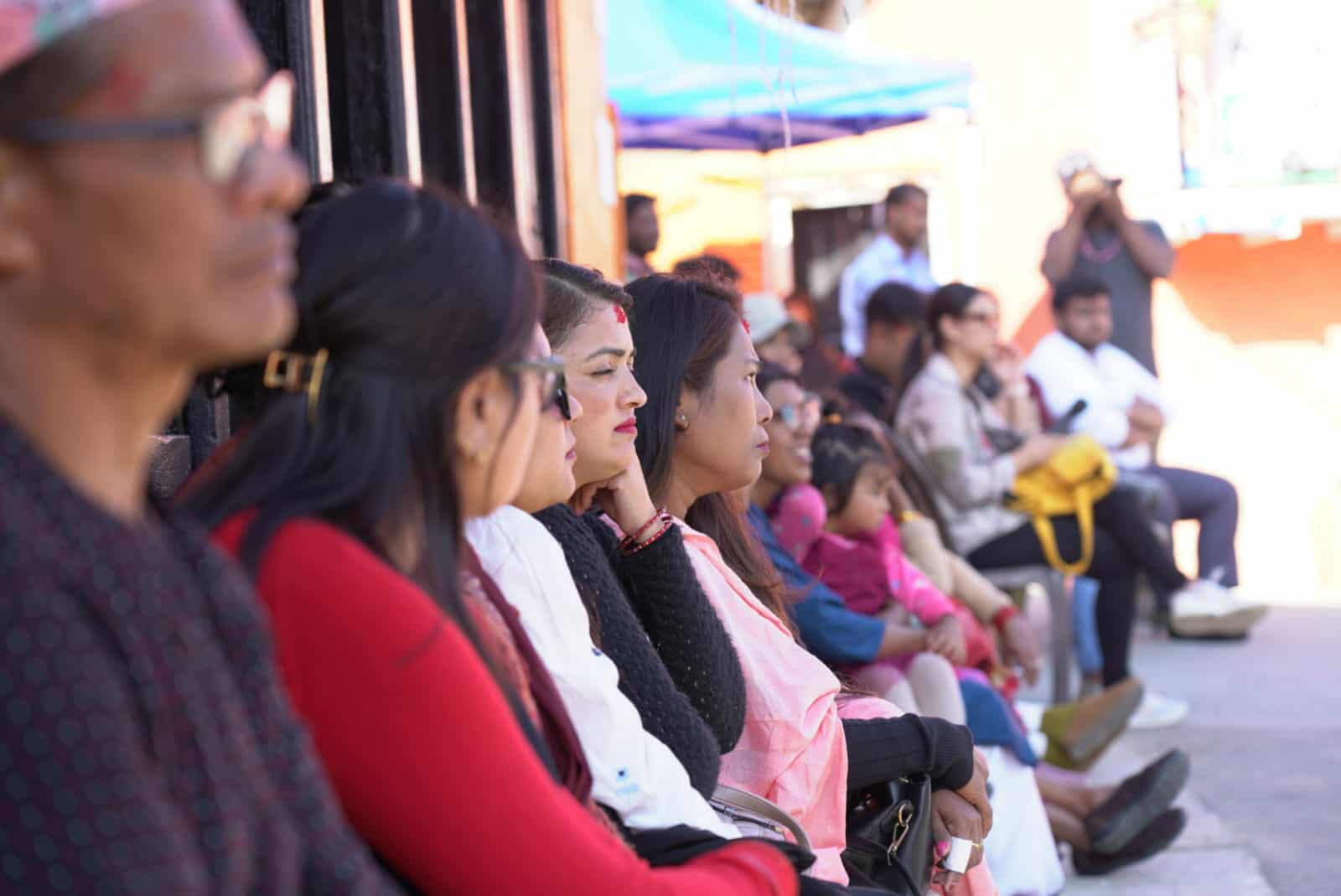
The Kopche Festival, organized under the Kopche Regeneration Campaign, has emerged as a symbol of community-driven tourism and cultural revival in Dhankuta. The festival is a collaborative effort of the Nepal Tourism Board, ICIMOD, Digo Bikas, Community Homestay Network, HUSADek, and Smart Pani, aimed at welcoming tourists and showcasing the region’s heritage. The active participation of local residents, commitment from the community, and close coordination with Dhankuta Municipality have been key drivers behind it’s ongoing regeneration.
From Decline to Renewal
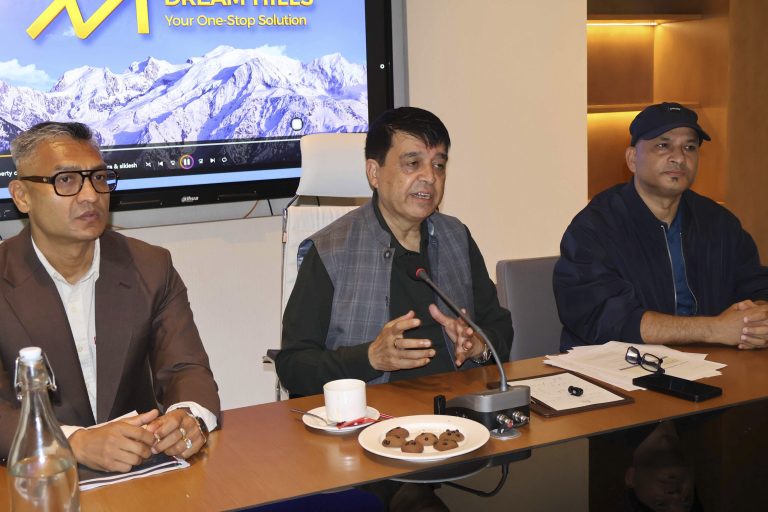
During the Sukul Dialogue held as part of the festival, local resident Ram Bahadur Shrestha reflected on Kopche’s journey. He explained that after government offices relocated from Kopche, the town experienced a period of emptiness. However, in Jestha 2078, local villagers decided, “something must be done,” sparking the beginning of a transformative journey. Shrestha noted that with united local efforts, the first Kopche Festival was successfully organized in 2078, giving the previously dormant community renewed confidence.

That same year, the municipality awarded Upper Kopche for its developmental efforts. As part of the revival, houses across the town, once known as the “Orange Pocket” of Dhankuta, were painted orange, roads were improved, and creative local programs were initiated, revitalizing the community’s spirit.
Youth Participation and Tourism Leadership
Local youth guide Nabin Rai emphasized the pivotal role of young people in shaping tourism-friendly infrastructure and promoting a culture of hospitality. By leading initiatives for tourists and engaging actively in community programs, the youth have become key agents of change in Kopche’s resurgence.
Learning from Heritage Cities
Visitors from Ward No. 5 of Kathmandu Metropolitan City, including Shashi Thapa, explored Kopche as part of the festival. Thapa highlighted the exchange of experiences between Kopche and Hadigaun, noting that Kopche could learn from Hadigaun’s model, which preserves Lichhavi-era heritage while accommodating modern development. According to Thapa, the myths, stories, and cultural heritage of Hadigaun attract tourists, serving as an inspiring example for Kopche’s development.
Promoting Sustainable Tourism
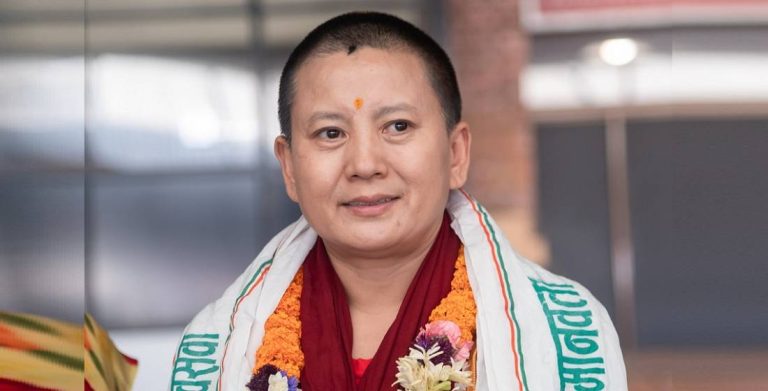
Senior official of the Nepal Tourism Board, Srijana Nepali Shrestha, noted that the Board is now focusing on quality over quantity in its tourism initiatives. She stated that in collaboration with UNDP, the Board is strengthening the foundations of sustainable tourism. Dhankuta has been promoted as a new destination, even featuring as an “immersive destination” at the World Tourism Mart in London, showcasing its potential to an international audience.
Showcasing Emerging Destinations
Punam Gupta, representative of the Community Homestay Network, highlighted that tourist activities in Dhankuta are revealing the district’s immense potential. She explained that earlier, tourists would often pass through Dhankuta on their way to Dharan, with the region not considered a destination in itself. However, with focused attention on cultural richness, natural beauty, and capacity building of local residents, visitor numbers have begun to rise sharply. Gupta emphasized that community engagement and local government partnerships are crucial for promoting sustainable tourism.

Kopche: A Model of Revitalization
Through collective effort, identity restoration, and tourism-centered development, Kopche has become a model of a “revitalized town.” The synergy of local leadership, youth participation, and institutional collaboration has sent a clear message: Dhankuta’s “Orange City” is now ready to welcome tourists. The Kopche Festival not only celebrates local culture but also demonstrates how strategic partnerships and community commitment can transform a destination into a vibrant tourism hub.
The success of the Kopche Festival reflects a holistic approach to sustainable tourism, blending heritage preservation, community empowerment, and strategic development. By prioritizing collaboration, youth leadership, and creative local engagement, it serves as an inspiring example for other emerging destinations in Nepal, signaling that even small towns can rise to prominence as cultural and tourism hotspots.