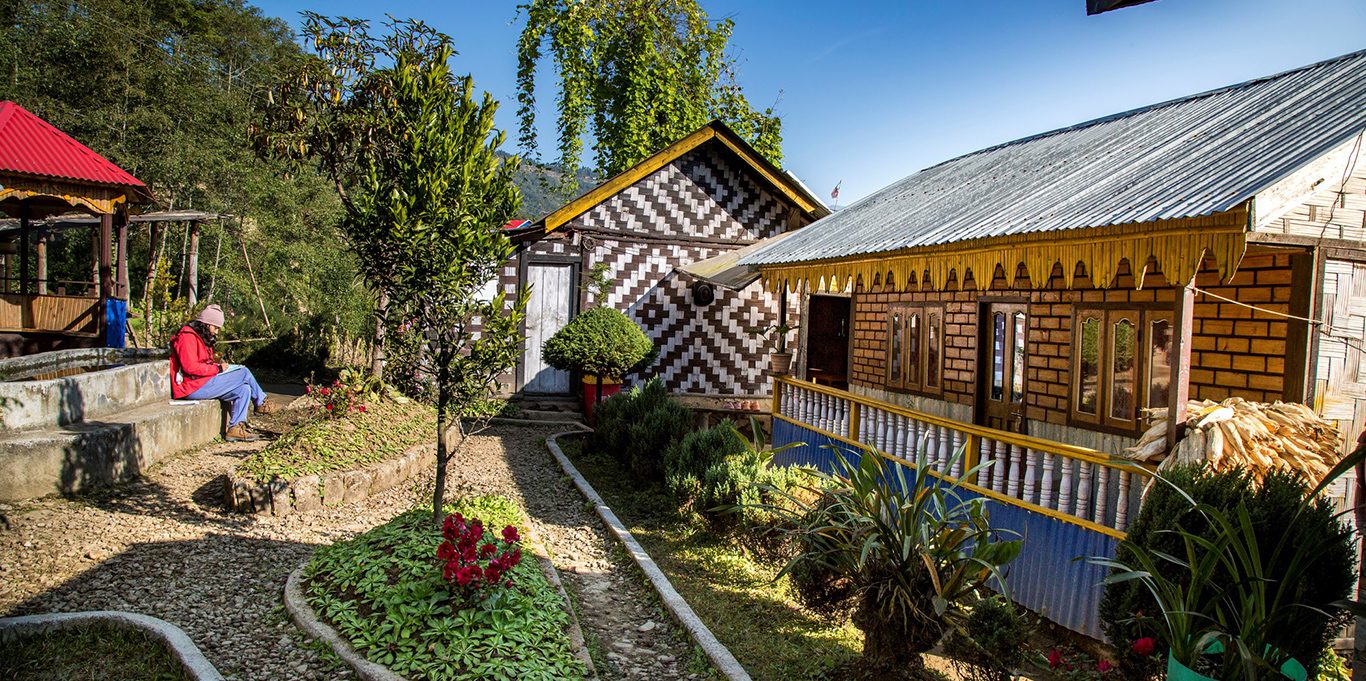
In Suping Village, Makwanpur, a unique rural tourism initiative is breathing new life into abandoned homes, turning them into vibrant homestays that attract tourists from across Nepal. Spearheaded by local entrepreneur Devendra Nepal and his son Pratik Nepal, the project is revitalizing the community while providing sustainable economic opportunities for residents.
Reviving Abandoned Homes and Community Life
Once largely deserted due to migration, several traditional houses in Suping are now transformed into nine fully functional homes and three cottages. The homestays can accommodate up to 50 guests, offering visitors an immersive experience of rural Nepali life. Locally sourced materials, natural landscaping, and preservation of traditional architectural elements ensure the homestays maintain their authentic charm.
The initiative also provides employment for local residents, especially women, who manage housekeeping, cooking, and other operational tasks. This approach empowers community members, supports gender inclusion, and encourages the local economy to flourish.

Tourism and Cultural Revival
Suping Village is surrounded by scenic hills, lush greenery, and historical attractions such as Bhimphedi Bazaar and Gupteshwor Cave, which complement the homestay experience. The project is drawing tourists from Chitwan, Birgunj, Hetauda, and Kathmandu, helping connect urban visitors with rural culture and heritage.
Visitors enjoy traditional local cuisine, guided walks, and cultural experiences, giving them an authentic glimpse into village life. The homestays aim to preserve cultural heritage while promoting sustainable tourism that benefits the entire community.
Economic Impact and Local Empowerment
By reviving abandoned properties and creating homestays, the project provides new income streams for villagers, supporting livelihoods and reducing rural outmigration. Local businesses supplying food, construction materials, and handicrafts also benefit, creating a ripple effect across the community.
“The homestays are not just accommodations; they are a way to showcase our culture, hospitality, and natural surroundings,” said Devendra Nepal, highlighting the dual impact on tourism and community development.
Sustainable and Experiential Tourism
The Suping homestay model emphasizes sustainability, incorporating eco-friendly practices, locally sourced resources, and preservation of natural surroundings. Visitors experience a slower pace of life, enjoy the beauty of the hills, and engage in community-led cultural activities.

By turning abandoned houses into attractive tourism destinations, the project is also reducing urban pressure, encouraging local pride, and promoting responsible travel. The homestays serve as a blueprint for rural tourism development in other parts of Nepal.
Looking Ahead
Plans are underway to expand the homestay network and introduce additional activities such as trekking, cultural workshops, and local festivals. By leveraging Suping’s natural beauty, historical significance, and rural charm, the initiative aims to position the village as a model destination for sustainable rural tourism in Nepal.
With combined efforts of local entrepreneurs, community members, and tourists, Suping Village is gradually transforming from a deserted settlement into a lively cultural and tourism hub, proving that rural revitalization and economic development can go hand-in-hand with tourism.