The century-old historic Galkot Palace in Baglung has witnessed a remarkable rise in domestic tourism, attracting nearly 20,000 visitors within a year. Located in Hari Chaur Bazaar, once the old district headquarters, the palace area has experienced a surge in tourist arrivals following extensive preservation and beautification efforts.

Restoration Revives a Fading Heritage
According to Manjesh Bam Malla, who has been actively involved in the palace conservation campaign, the restoration of the palace, combined with improved food and accommodation facilities, has significantly increased tourist interest. The palace, which had deteriorated after the displacement of the then Malla royal descendants during the conflict era, has now been restored to its original form.
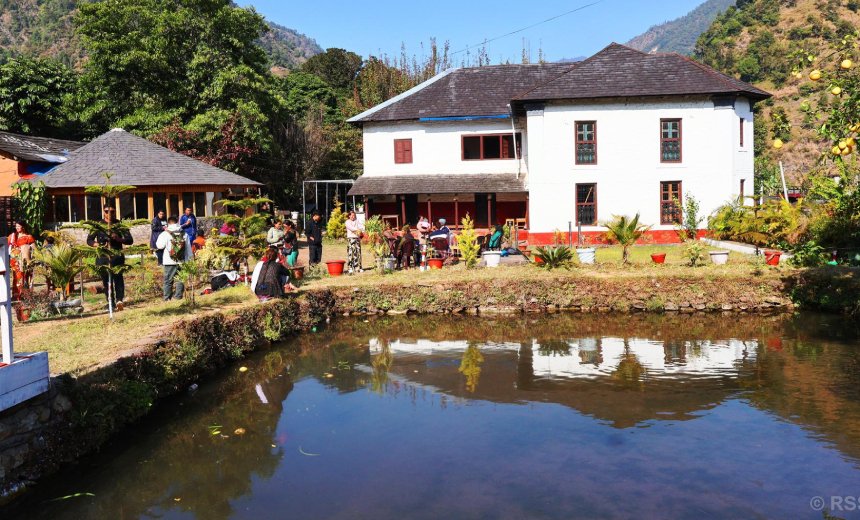
Traditional windows and doors have been rebuilt to match the historic architecture, and the palace structure has been repaired and repainted, giving it a refreshed yet authentic look. Additionally, an old house and cowshed within the palace premises have been reconstructed in their original style and converted into a restaurant, which has been operating for the past three years.
A Living Legacy of the Galkot Kingdom
The palace, regarded as a living history of the former Galkot Kingdom, has become a key attraction following its restoration. Manjesh Bam Malla, grandson of the late King Bharatbam Malla, shared that the conservation initiative, aimed at preserving ancestral heritage, has successfully drawn large numbers of visitors. He noted that around 20,000 people visited the palace last year alone for sightseeing, photography, videography, research, and study, with daily footfall continuing to rise.
Manjesh and three other youths have invested around Rs 50 lakh to operate the restaurant on the premises. A fishpond has also been built within the palace courtyard, where various species of fish are being raised. The Galkot Palace and surrounding land are registered under Manjesh’s mother, Saroja Malla.
King Bharatbam Malla passed away in 2039 BS, after which the responsibility of the palace fell to his son Madhav Malla. Madhav, who lived in the palace with his family, was killed there during the conflict in 2059 BS. Following his death, the Malla family was displaced to Kathmandu, leaving the palace neglected for years.

Tourist Influx Rises as Conservation Continues
With the recent restoration efforts led by grandson Manjesh, the palace has regained its historical charm, attracting a growing number of domestic tourists. The revival of this significant cultural heritage site has not only preserved a valuable legacy but has also contributed to promoting tourism in the Galkot region.