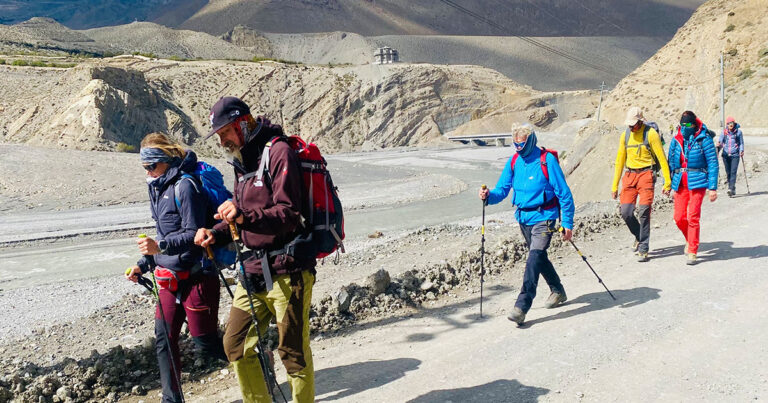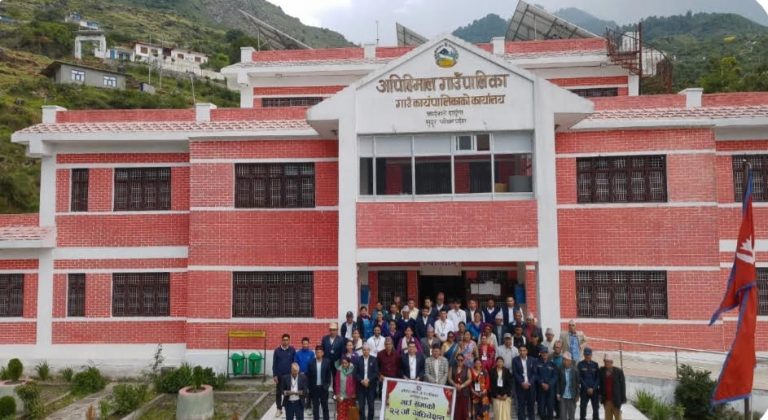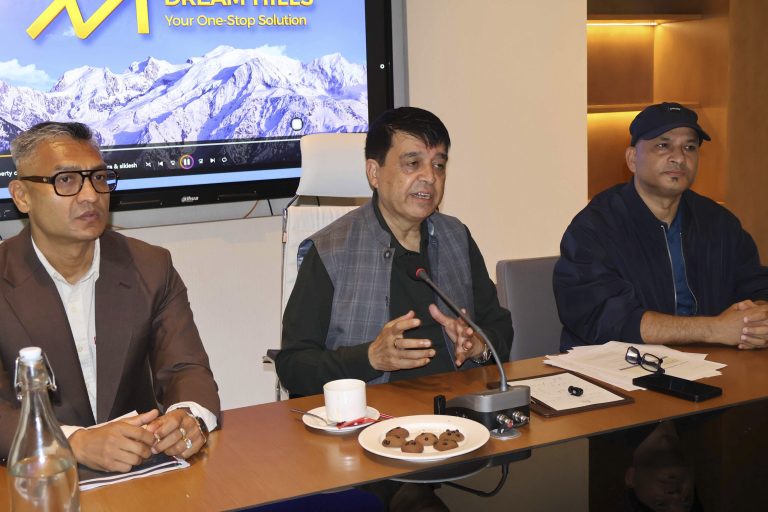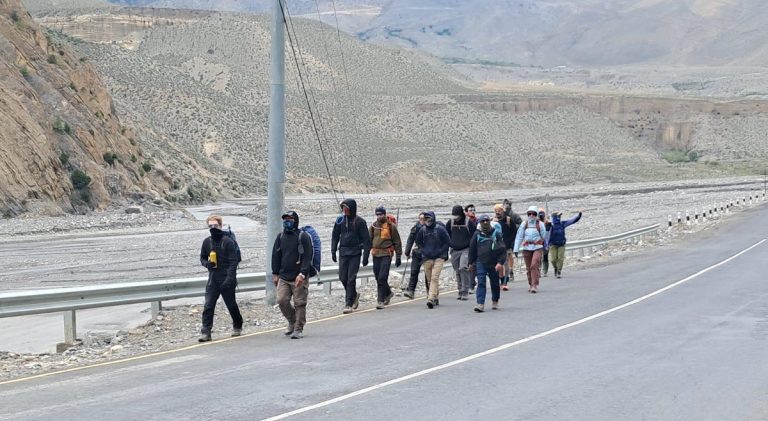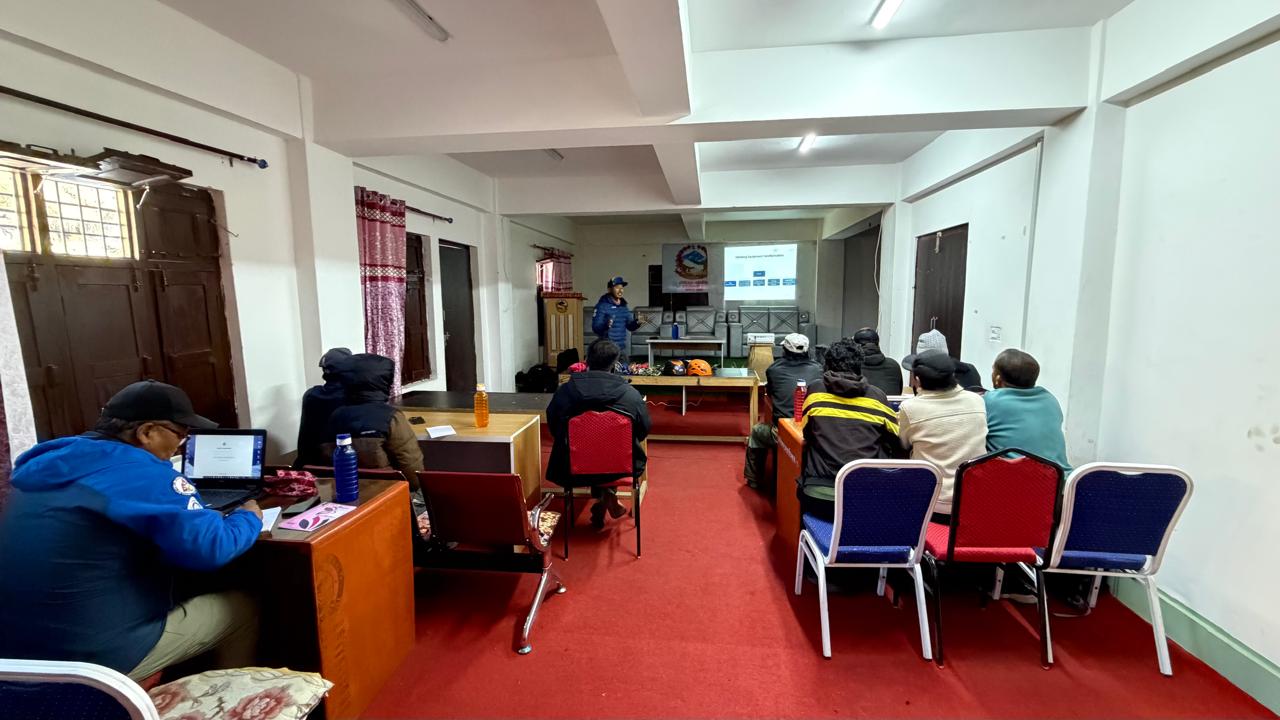
A Fundamental Rope and Rescue Training programme has officially commenced at Api Himal Rural Municipality in Darchula, marking a significant step towards strengthening mountain safety preparedness and enhancing adventure tourism capacity in Nepal’s far-western Himalayan region. The training is being implemented as a joint initiative of the UNDP/Sustainable Tourism Project (STP) through the Nepal Tourism Board (NTB) in collaboration with Api Himal Rural Municipality, with technical and instructional support from the Nepal National Mountain Guide Association (NNMGA). The programme aims to equip local youths, trekking guides, and community members with essential rope handling, rescue, and safety management skills required in high-altitude and mountainous terrains.
Joint Initiative for Sustainable Tourism Development
The training has been designed in line with Nepal’s broader goal of promoting sustainable and responsible tourism, particularly in remote and emerging destinations like Api Himal. The UNDP-supported Sustainable Tourism Project seeks to improve livelihoods through tourism while ensuring safety, environmental protection, and community empowerment. By partnering with Api Himal Rural Municipality, the programme directly targets grassroots communities that play a crucial role in providing trekking and mountaineering services. NTB officials stated that building local capacity in mountain rescue and safety is essential to improving tourist confidence and establishing Api Himal as a safe and reliable adventure tourism destination.

Equipment Handover and Infrastructure Development
As part of the programme, essential rock climbing and rescue training equipment were formally handed over to Api Himal Rural Municipality by NNMGA representative and course coordinator Lopsang Sherpa. The equipment includes ropes, harnesses, carabiners, helmets, belay devices, and other professional gear necessary for hands-on training and emergency response. In addition to skill development, a professional rock climbing site is also being developed in the area. This facility is expected to serve both as a training ground for local guides and as an attraction for adventure enthusiasts, adding new dimensions to tourism offerings in the region.
Expert-Led Training and Practical Skill Building
The course is being facilitated by experienced mountain guides Lhakpa Rangdu Sherpa and Chhiring Sonam Lama, both of whom bring extensive experience in high-altitude guiding and technical rescue operations. The training focuses on practical learning, including rope management, knot tying, belaying techniques, crevasse rescue, cliff evacuation, first aid response in mountainous conditions, and team coordination during rescue operations. Participants are also being trained to assess risks, manage emergencies, and apply safety protocols to prevent accidents during trekking and climbing activities.
Enhancing Adventure Tourism Readiness
Api Himal Rural Municipality, located in Nepal’s far-western region, is gaining recognition for its pristine landscapes, high Himalayan peaks, and unexplored trekking routes. However, limited rescue infrastructure and technical manpower have long been challenges for tourism expansion in the area. This training programme is expected to significantly improve adventure tourism readiness by creating a pool of locally trained rescue personnel and guides capable of responding swiftly and professionally to emergencies. Organisers believe that the availability of trained local rescuers will increase tourist confidence, reduce dependency on external rescue teams, and improve the overall safety image of the destination.

Community Empowerment and Employment Opportunities
Beyond safety, the initiative also aims to empower local communities by creating employment and income-generating opportunities. Trained participants will be able to work as local guides, climbing assistants, and rescue responders, contributing to household income and reducing youth migration to urban centres or abroad. Local representatives expressed optimism that the training would open new livelihood pathways while preserving traditional knowledge and promoting community-based tourism practices.
Long-Term Vision for Sustainable Growth
The organisers have indicated that this training is part of a long-term vision to establish Api Himal as a model destination for sustainable mountain tourism in western Nepal. Future plans include advanced rescue training, certification programmes, and collaboration with private trekking agencies to integrate trained locals into the tourism value chain. With continued support from NTB, UNDP, and NNMGA, Api Himal is expected to gradually develop into a safe, well-prepared, and attractive destination for both domestic and international adventure seekers, strengthening Nepal’s far-western tourism landscape while ensuring safety, sustainability, and community prosperity.