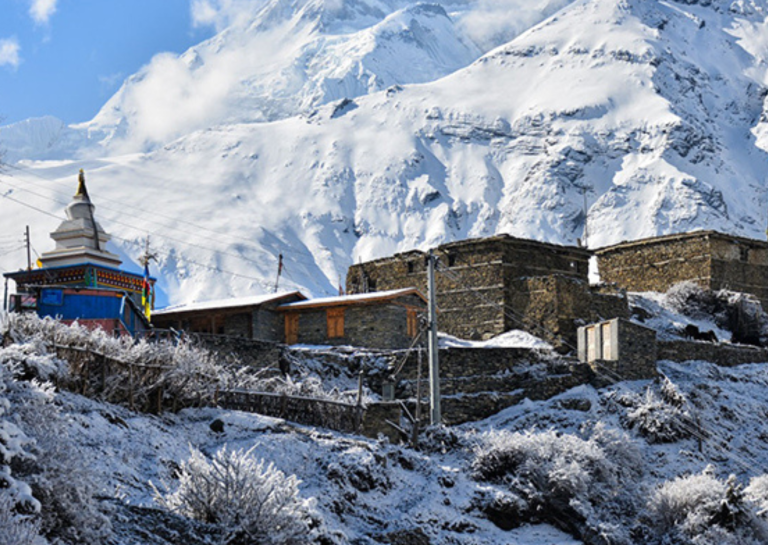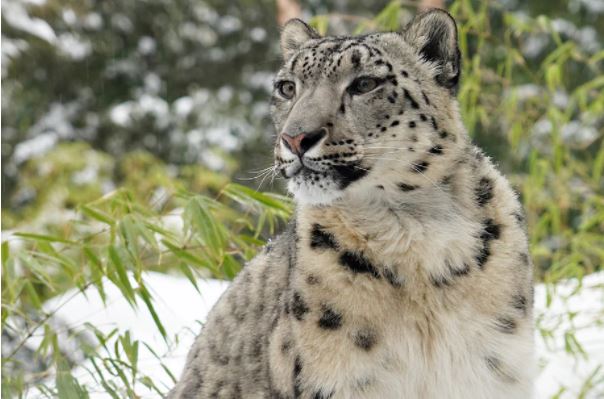
The Annapurna Conservation Area has commenced a comprehensive census of the snow leopard, often referred to as the “Queen of the Himalayas.” According to Dr. Rabin Kadariya, Chief of the Annapurna Conservation Area Project, 225 cameras have been strategically placed across altitudes ranging from 3,000 to 5,300 meters in the districts of Manang and Mustang to monitor and estimate the snow leopard population.

Camera Deployment Across Manang and Mustang
Dr. Kadariya informed that the camera installation has been completed in Manang, while in Mustang, cameras are being set up in areas known for snow leopard activity. Previously, estimates of snow leopard numbers relied on limited camera placements in smaller regions. Based on statistics released by the Government of Nepal and the Ministry of Forests and Environment in 2024, Nepal’s snow leopard population is estimated at 397 individuals, with 34 of them believed to reside within the Annapurna Conservation Area. By utilizing the 225 cameras and scientifically analyzing the captured images, researchers aim to produce a more accurate estimate of leopards within the conservation area.
Leopard Habitat and Global Distribution
Snow leopards in Nepal inhabit high Himalayan regions at elevations ranging from 3,000 to 5,500 meters. About 58% of snow leopard habitats in Nepal fall within protected areas, while 42% extend outside these zones. Globally, leopards are found in 12 countries across South and Southeast Asia, with a total population estimated between 4,000 and 6,000 individuals.
The species faces multiple conservation challenges in Nepal. Human-wildlife conflicts, particularly retaliatory killings following livestock predation, pose a significant threat. Habitat degradation, illegal wildlife trade, and the impacts of climate change further exacerbate the risks to snow leopard survival.
Compensation Measures for Livestock Loss
To mitigate human-wildlife conflicts, Nepal has established a relief system for livestock losses caused by snow leopards. Under the wildlife compensation directive, damages caused by leopards to sheep are compensated up to NPR 10,000, while losses involving yaks, horses, mules, and other large livestock may receive compensation up to NPR 60,000. Conservation experts emphasize that this system not only provides financial relief to local communities but also fosters understanding of the ecological and cultural importance of snow leopards.

Promoting Community-Based Conservation
Experts stress that local communities must be actively engaged in leopard conservation. By educating residents about the species’ significance for ecosystem balance and biodiversity, authorities hope to ensure long-term protection and coexistence. Conservationists believe that a combination of monitoring, compensation, and community awareness will be key to sustaining Nepal’s leopard population in the future.