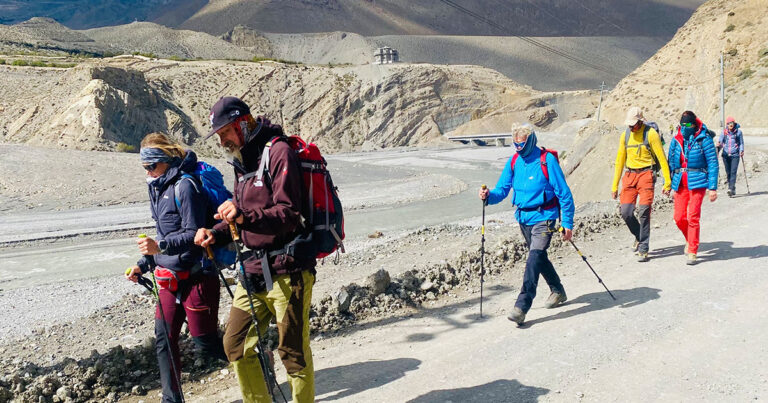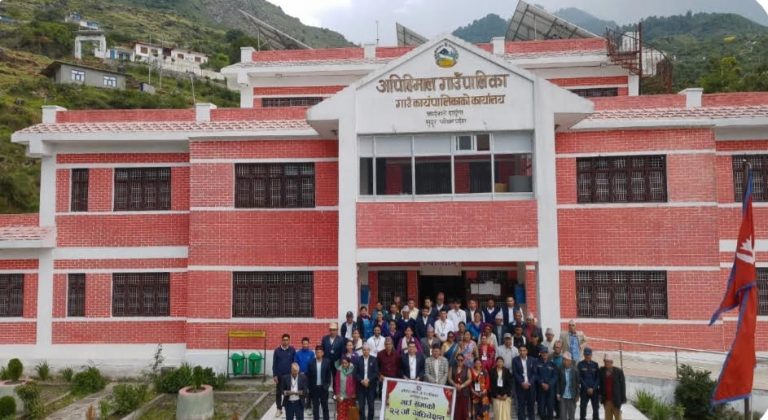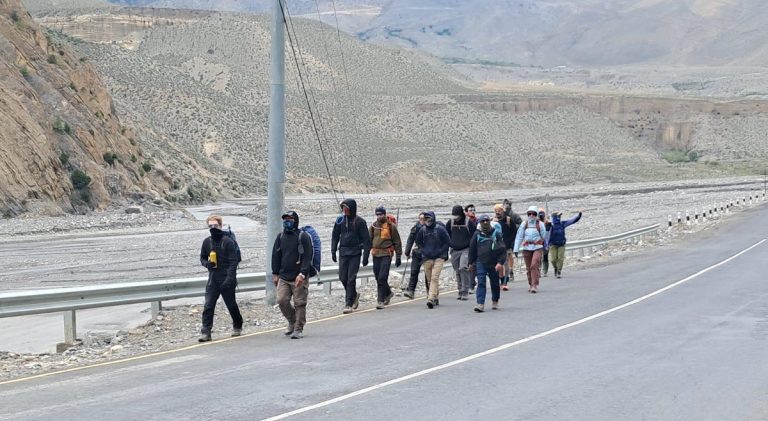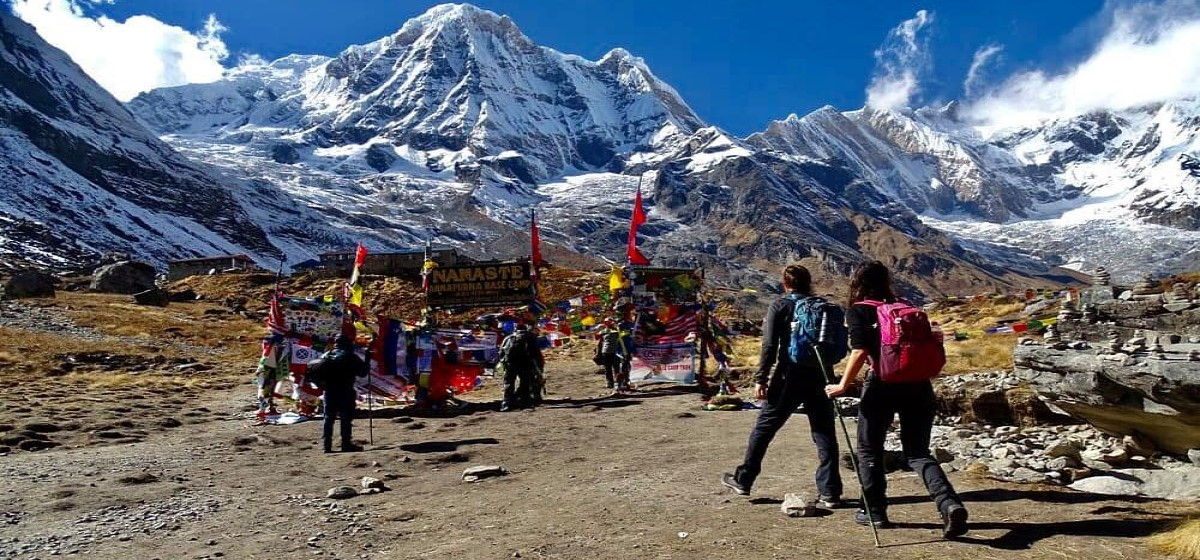
From the iconic Annapurna Base Camp (ABC) trail to the culturally rich district of Mustang, the region has recorded a steady rise in both international and domestic tourist arrivals. Trekking tourism in the Annapurna region is witnessing a steady upward trend, reinforcing its position as one of Nepal’s most sought-after travel destinations. The Annapurna Base Camp (ABC) trail, in particular, continues to draw increasing numbers of trekkers every year. In Chhomrong village, one of the main gateways to ABC, all 62 households are now operating hotels and lodges, highlighting the long-standing efforts of the Annapurna Conservation Area Project (ACAP) to ensure that local communities directly benefit from tourism.
According to ACAP, a total of 299,830 international tourists visited the Annapurna Conservation Area in 2025, marking a significant milestone for sustainable tourism development and conservation-based livelihood promotion in the region.

18.71% Growth Recorded in Mustang
The religious and tourist district of Mustang has recorded a remarkable rise in foreign tourist arrivals in 2025. Data released by the National Trust for Nature Conservation (NTNC) under ACAP Jomsom shows that Mustang welcomed 161,122 foreign tourists between January and December 2025, representing an 18.71 percent increase compared to the previous year.
In 2024, the district received 135,719 foreign tourists. The year-on-year growth indicates a net increase of 25,403 visitors, underscoring Mustang’s growing appeal as a destination known for its spiritual heritage, rugged Himalayan landscapes, ancient monasteries, and trans-Himalayan trekking routes.
SAARC Countries Dominate Visitor Share
ACAP Jomsom Office Chief Rajesh Gupta stated that Mustang continues to attract a high proportion of visitors from SAARC nations. Of the total tourists recorded in 2025, 132,847 were from SAARC countries, while 28,275 arrived from non-SAARC nations.
In comparison, 2024 recorded 109,549 tourists from SAARC countries and 26,170 from other regions. This shows that tourist arrivals from SAARC countries rose by 23,298, while arrivals from other countries increased by 2,105 in 2025.
In percentage terms, visitor numbers from SAARC countries grew by 17.57 percent, while non-SAARC arrivals recorded a 7.44 percent increase, highlighting regional tourism as the dominant driver of Mustang’s growth.
Indian Tourists Form Majority
Among SAARC visitors, Indian tourists make up the largest share. According to ACAP, over 82 percent of total foreign tourists to Mustang were from SAARC countries, and more than 90 percent of these were Indian nationals. Improved road access, religious significance, and proximity to the Indian border continue to make Mustang a preferred destination for Indian pilgrims and adventure seekers.
Impact of Social Movements on Growth Targets
Despite the overall growth, ACAP officials acknowledged that Mustang could have achieved even higher tourist inflows in 2025. Gupta noted that the district had projected nearly 30 percent growth in foreign tourist arrivals for the year. However, the impact of youth-led social movements and protests in September limited the expected surge during the peak autumn season.
Due to these disruptions, Mustang recorded a decline in tourist numbers compared to 2024, by 3,638 in September, 854 in October, and 70 in November. These months are traditionally considered the busiest trekking and pilgrimage seasons, and the decline significantly affected annual growth projections.
Positive Trend in Other Months
Despite seasonal setbacks, ACAP confirmed that tourist arrivals showed positive growth during January to August and again in December 2025, indicating sustained interest in Mustang for most of the year. Improved infrastructure, increased hotel capacity, and enhanced destination marketing have played key roles in maintaining visitor flow.

A Milestone for Sustainable Tourism
The continued growth of trekking tourism in Mustang and the broader Annapurna region reflects Nepal’s progress toward sustainable, community-centered tourism development. With local households actively engaged in hospitality services and conservation-based tourism models, the Annapurna Conservation Area has emerged as a successful example of how tourism can simultaneously support livelihoods and protect fragile mountain ecosystems.
Tourism stakeholders remain optimistic that with stable conditions, improved connectivity, and strategic promotion, Mustang and the Annapurna region could witness even stronger growth in the coming years, further cementing their status as global trekking and pilgrimage destinations.