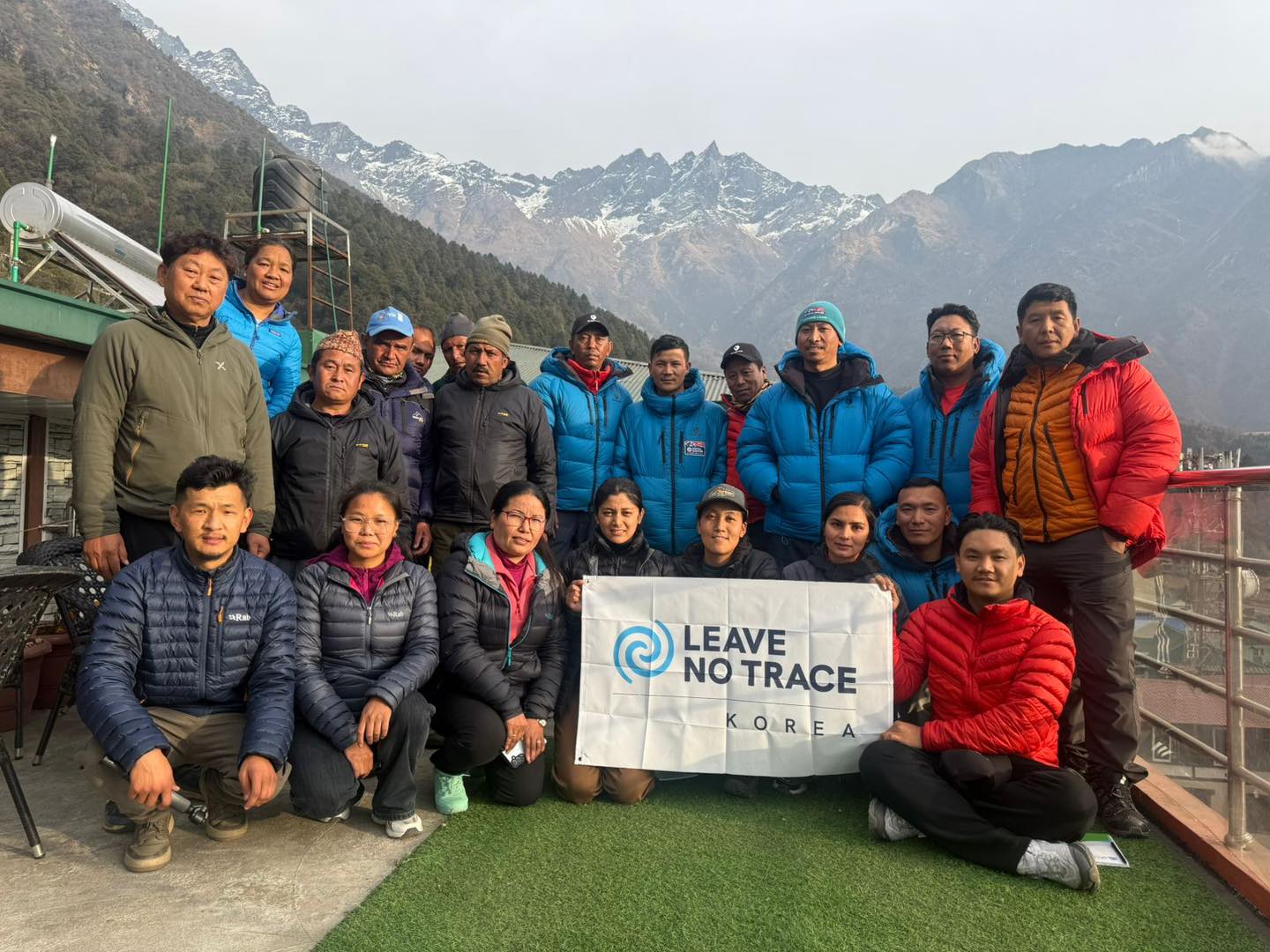
The Sagarmatha Pollution Control Committee (SPCC) has formalized a strategic partnership with Leave No Trace Korea through a recently signed Memorandum of Understanding (MOU), aimed at promoting sustainable environmental practices and fostering Leave No Trace (LNT) education among Everest climbers, Icefall Doctors, and SPCC staff. This collaboration marks a significant step toward strengthening environmental responsibility in the high-altitude regions of Nepal.
Leave No Trace Training Initiated in Lukla
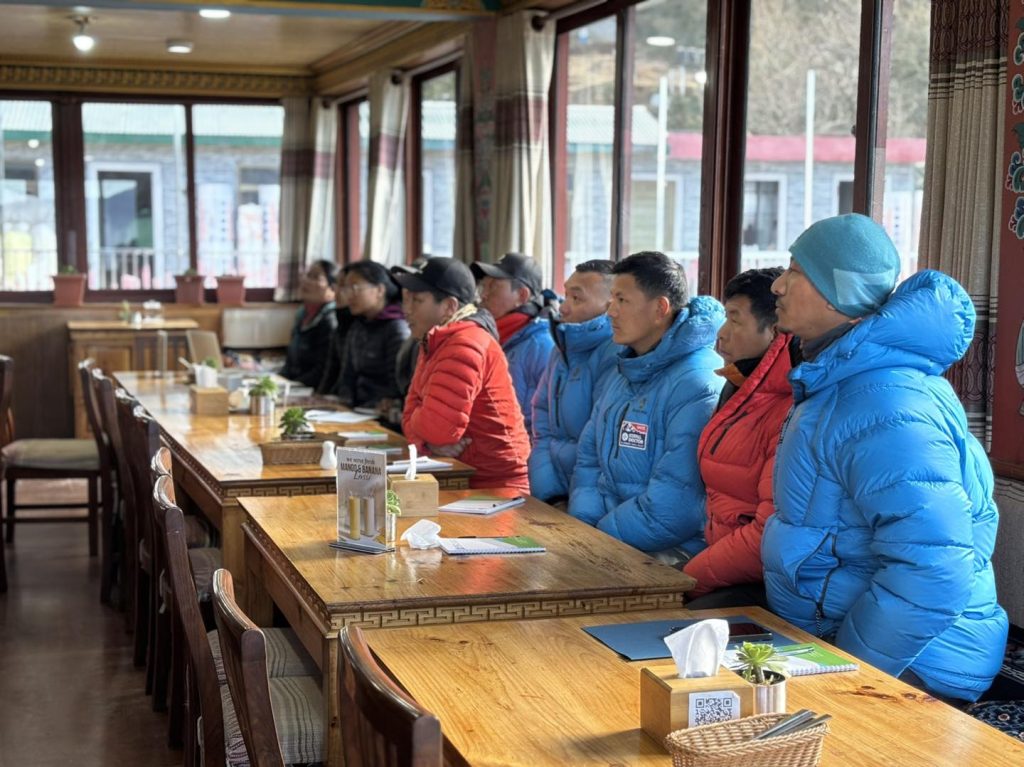
Following the MOU, SPCC successfully organized a one-day Leave No Trace training program in Lukla, targeting SPCC staff and Icefall Doctors who play a critical role in maintaining environmental standards along the Everest trekking and climbing routes. A total of 22 participants attended the training, including 16 male and 6 female participants. The program focused on practical strategies for minimizing ecological impact, waste management, and promoting sustainable practices during high-altitude expeditions.

Expert Guidance from an International Trainer
The training was conducted by Mr. Kim Young Sik from Leave No Trace Korea, whose expertise and guidance provided participants with valuable insights into environmental conservation and sustainable expedition practices. SPCC acknowledged Mr. Kim’s efforts, emphasizing that his dedication significantly contributed to strengthening environmental awareness and responsibility among the local teams and mountaineering support staff.
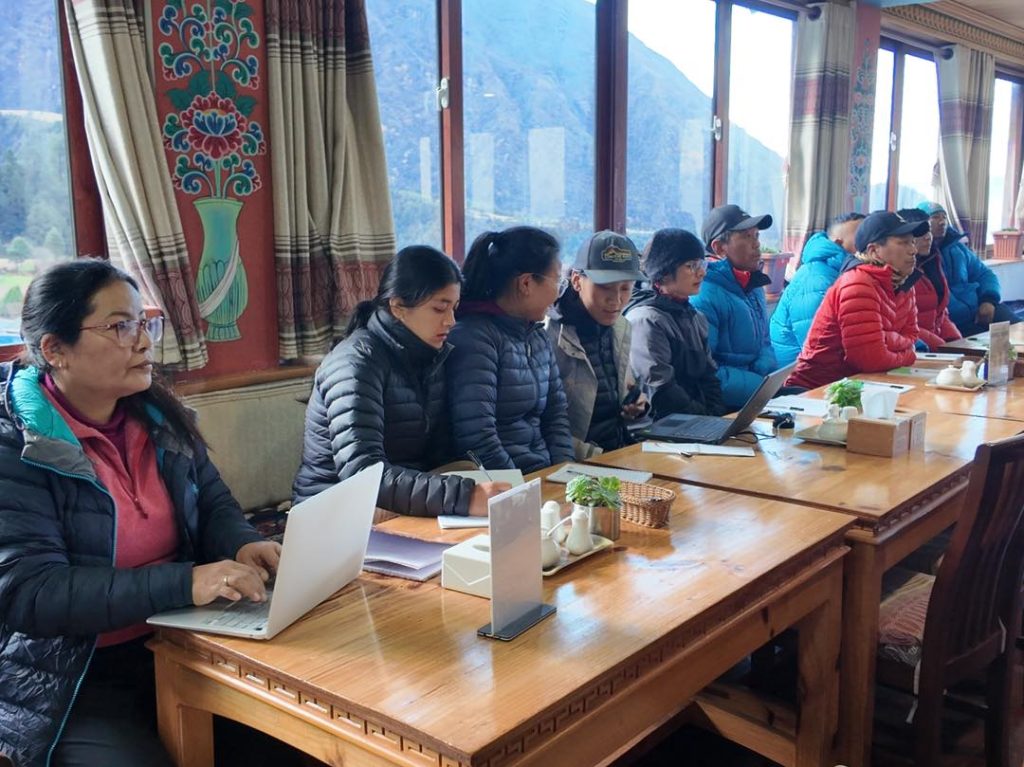
Empowering Everest Stakeholders
Icefall Doctors, who are integral to maintaining safety on the Khumbu Icefall, received tailored guidance on environmentally responsible practices while performing their duties. By equipping them with Leave No Trace principles, SPCC aims to reduce ecological footprints in one of the world’s most fragile and high-traffic mountain ecosystems.
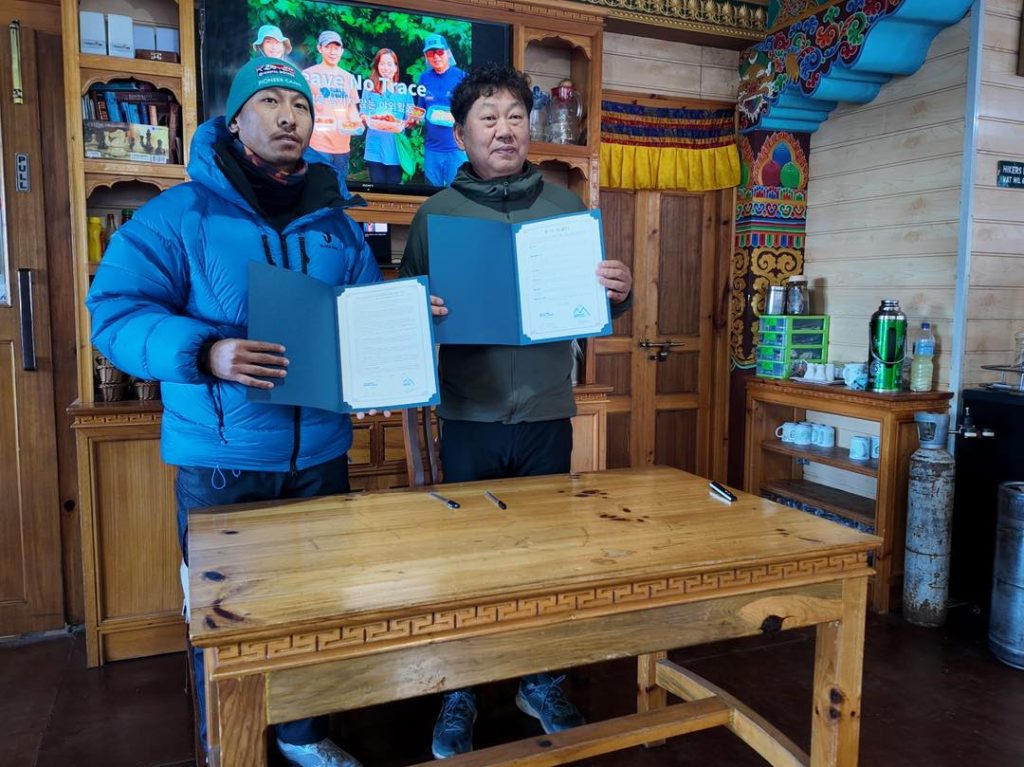
Similarly, SPCC staff involved in waste management and monitoring along the Everest trekking routes are expected to implement these practices in their day-to-day operations. This initiative reflects a proactive approach toward balancing tourism, mountaineering, and environmental conservation in the Everest region.
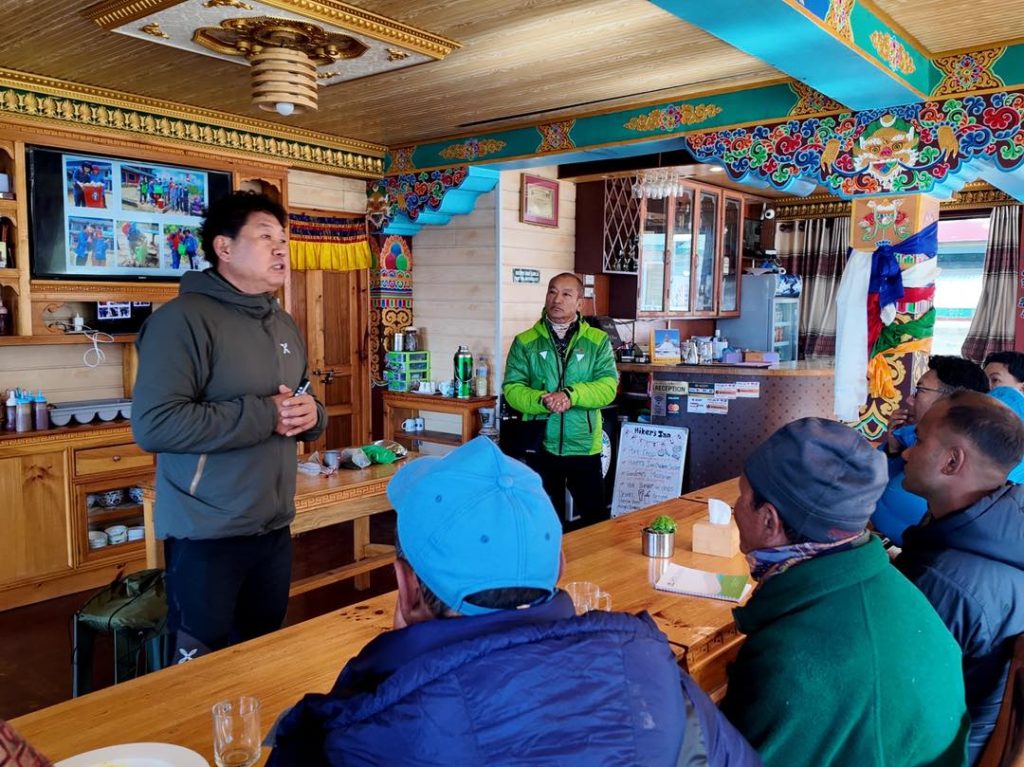
Strengthening Environmental Responsibility in High-Altitude Tourism
The partnership between SPCC and Leave No Trace Korea underscores the growing importance of environmental education in Nepal’s mountaineering sector. With increasing numbers of climbers and trekkers visiting the Everest region annually, initiatives like this are critical for preserving natural habitats, reducing pollution, and ensuring that high-altitude tourism remains sustainable for future generations.
SPCC plans to continue such training programs, expand outreach efforts to other stakeholders in the Everest region, and monitor the impact of the LNT practices adopted by climbers and staff.

By collaborating with international experts, SPCC aims to establish a long-term culture of environmental stewardship among all stakeholders in the Sagarmatha National Park. These efforts not only contribute to the preservation of Nepal’s natural heritage but also set a benchmark for sustainable mountaineering practices globally.
The committee extended its sincere thanks to Mr. Kim Young Sik and all participants for their dedication to the initiative, highlighting the program’s success in promoting ecological responsibility in the Everest region. This partnership marks a meaningful step toward a cleaner, more sustainable Everest, ensuring that the majestic mountains of Nepal remain protected even as tourism and mountaineering continue to grow.