The Nepal Tourism Board (NTB) successfully participated in the second Indo-Nepal Trade Festival held from February 20 to 22, 2026, at PHD House in New Delhi, India. The three-day event was organized by Everest Chamber of Commerce & Industries (ECCI) in collaboration with the Embassy of Nepal in India, Trade and Export Promotion Centre, and NTB. The festival aimed to strengthen bilateral relations between Nepal and India by promoting trade, tourism, culture, and innovation under the theme “Connecting People, Enhancing Bilateral Trade.”
The event brought together policymakers, business leaders, tourism stakeholders, and cultural representatives from both nations, creating a dynamic platform for dialogue and partnership. Over the course of three days, the festival hosted more than ten high-level sessions and policy discussions covering a wide range of sectors vital to the shared economic future of Nepal and India.
Key focus areas included tourism development, particularly the promotion of Ramayana and Buddhist circuits, hydropower and energy cooperation, cross-border trade facilitation, transport connectivity, banking and fintech collaboration, digital economy expansion, education and innovation partnerships, media and cultural diplomacy, youth engagement, and the emerging startup ecosystem. These deliberations were aligned with the broader Indo–Nepal Cooperation Vision 2030, which seeks to deepen economic integration and people-to-people ties.
Tourism Takes Center Stage
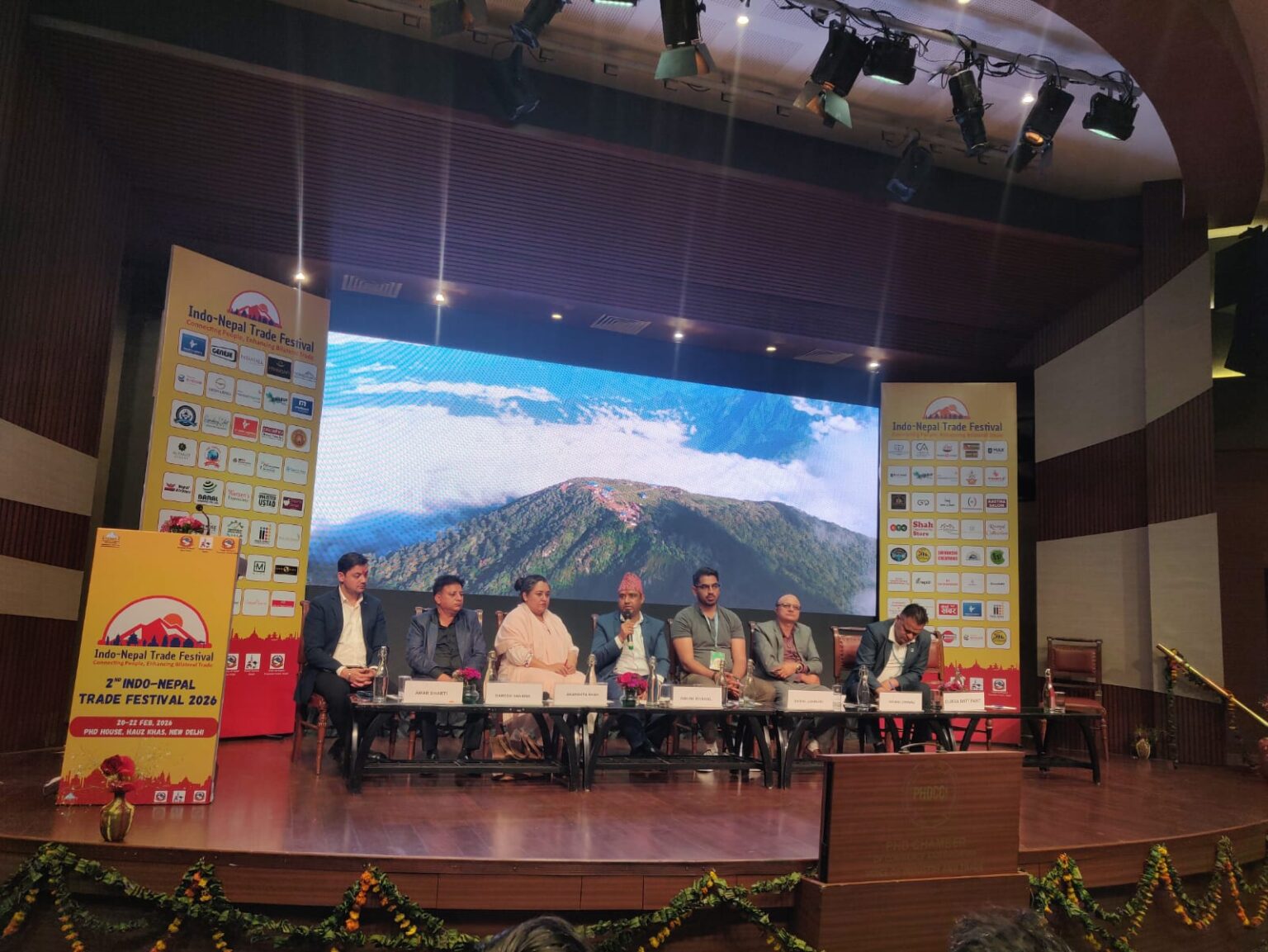
Tourism emerged as one of the most prominent themes of the festival, reflecting its importance as a bridge between the two neighboring countries that share centuries-old cultural, spiritual, and historical connections. During a dedicated session titled “Indo-Nepal Tourism Ecosystem (Ramayana & Buddhist Circuits, Spiritual Tourism, Adventure Tourism & Wedding Destinations),” Rohini Prasad Khanal, Officiating Director at NTB, highlighted Nepal’s strategic initiatives to streamline cross-border travel for Indian visitors. He emphasized the need for improved connectivity, simplified travel procedures, and collaborative promotion of shared heritage sites to encourage seamless pilgrimage and leisure travel between the two countries.
Khanal also outlined its integrated tourism vision, which blends spiritual tourism with adventure experiences, destination weddings, and wellness offerings. He stressed that Nepal’s unique geography, from sacred pilgrimage sites and UNESCO-listed heritage zones to Himalayan adventure destinations, positions the country as a natural extension of India’s travel landscape, making joint promotional campaigns highly effective.
Nepal Pavilion Draws Strong Interest
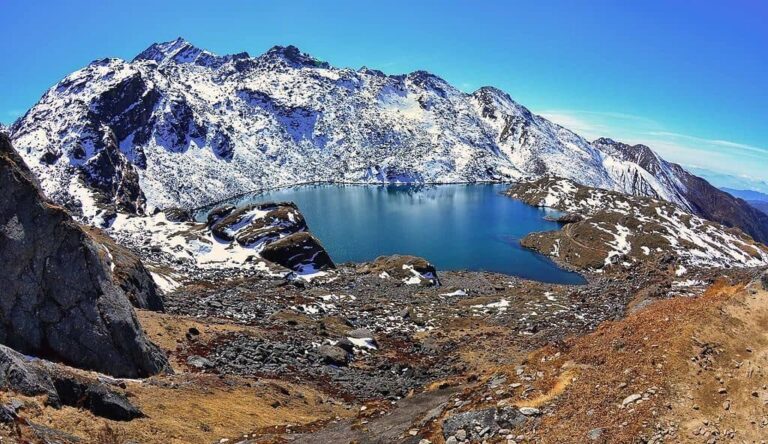
NTB’s pavilion served as a major attraction throughout the festival, offering visitors an immersive introduction to it’s diverse tourism products. Designed around the themes of culture, nature, and adventure, the stall showcased Nepal as a year-round destination for spiritual journeys, trekking and mountaineering, wildlife exploration, and holistic wellness experiences. Promotional materials, travel information, and souvenirs were distributed to visitors, travel professionals, and investors seeking to explore collaborative opportunities.
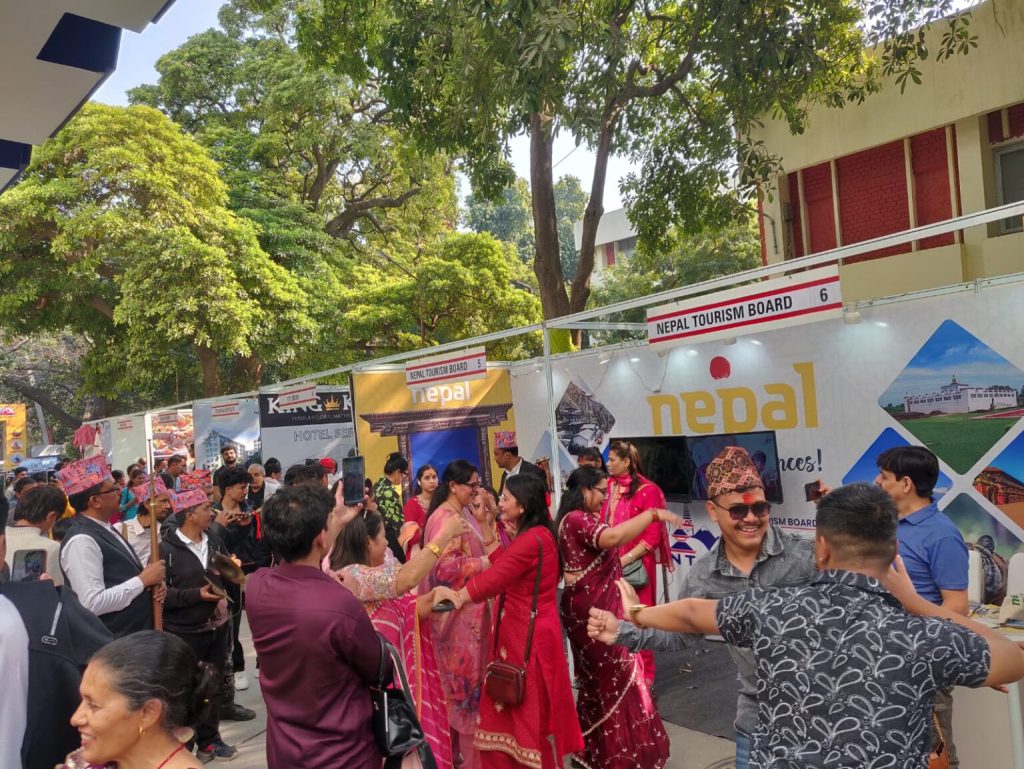
The pavilion also highlighted its growing reputation as a destination for weddings and spiritual retreats, a segment gaining popularity among Indian travelers. Officials engaged directly with tour operators, media representatives, and business delegates to discuss joint ventures, travel packages, and cross-border promotional strategies.
Cultural Showcase Strengthens People-to-People Ties
Adding vibrancy to the festival was a rich display of Nepali culture through traditional performances and authentic cuisine. Visitors experienced its heritage through music, dance, and culinary presentations that reflected the country’s ethnic diversity and hospitality. A variety of local products and handicrafts were exhibited, promoting Nepal’s artisanal traditions and supporting small-scale entrepreneurs.
Indian exhibitors also participated actively, transforming the venue into a lively cross-cultural marketplace. The exchange of art, food, and traditions reinforced the deep-rooted social and cultural bonds between the two nations, underscoring tourism’s role as a vehicle for mutual understanding.
Strengthening Nepal–India Tourism Collaboration
India continues to be its largest source market for international tourists, making such collaborative platforms crucial for sustaining growth in arrivals and investments. NTB officials noted that expanding outreach in India remains a strategic priority, particularly by targeting spiritual travelers, young adventurers, and families seeking short-haul international experiences.
Senior Officer Sagar Upadhyaya, who also represented NTB at the festival, engaged with industry stakeholders to explore partnerships in travel trade, digital promotion, and joint marketing campaigns. Discussions also touched on enhancing air and land connectivity, developing integrated tourism circuits, and leveraging technology to create seamless travel experiences.
NTB’s participation in the Indo-Nepal Trade Festival reaffirmed Nepal’s commitment to deepening economic and cultural collaboration with India through tourism-led diplomacy. By showcasing its diverse attractions and engaging directly with policymakers and industry leaders, Nepal positioned itself as a key partner in advancing regional tourism integration. The event concluded with optimism on both sides, as stakeholders emphasized continued dialogue, innovation, and shared promotion to unlock the full potential of Indo-Nepal cooperation in the years ahead.