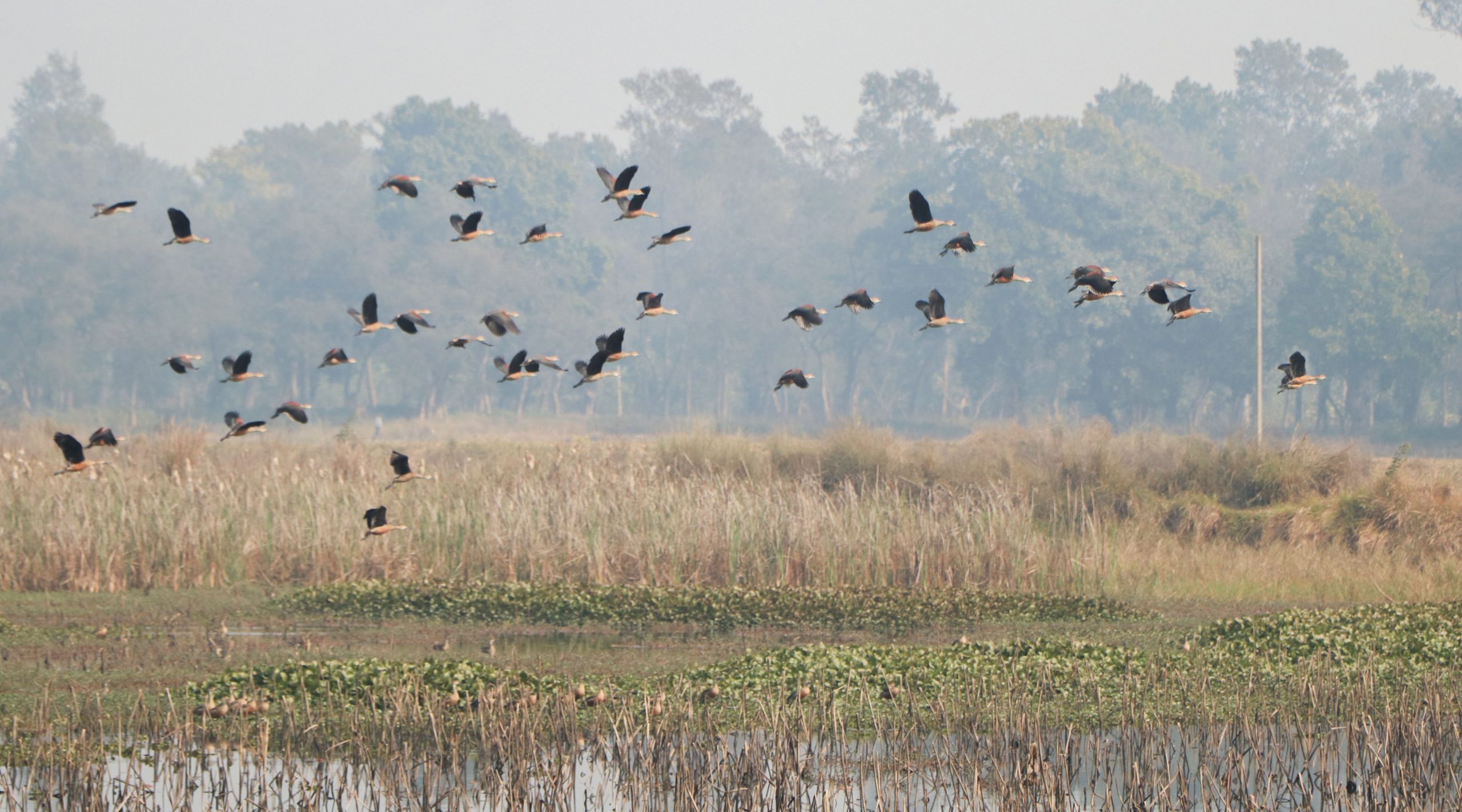
With the gradual end of winter, migratory birds that had arrived in Nepal to escape the cold are now beginning their journey back to their native habitats. These seasonal visitors, which started arriving from mid-October, are departing as temperatures rise and spring approaches.
Seasonal Migration Nears Completion
According to ornithologists, the return migration has already begun in the last week of February and is expected to continue until the end of March. During the winter months, wetlands and riverbanks in and around Chitwan National Park serve as an important refuge for various species of migratory waterfowl.

Chairperson of the Bagmati Province chapter of Bird Conservation Nepal, Basu Bidari, stated that these birds visit Nepal annually to escape harsh northern winters and begin returning once warmer conditions emerge in their breeding grounds.
Visitors from Across Asia and Beyond
Every year, migratory birds travel thousands of kilometers from countries such as Mongolia, Russia, Malaysia, Uzbekistan, Pakistan, and China to reach Nepal’s comparatively milder climate. Many of them enter Nepal through trans-Himalayan routes, descending along the Kali Gandaki gorge before settling in the Chitwan valley.
Among the most commonly observed winter migrants are several species of ducks, including Karyangkurung, Chakhewa, Suiropuchchhe, Malak, Khadkhade, Bijula, and Gairi. Birds of prey such as hawks and eagles are also frequently sighted during the season. Forest-dependent species like Chachar, Chuiya, and Bhardwaj also arrive to take shelter in the region’s rich ecosystems.
Wetlands and Rivers Provide Ideal Habitat
The migratory birds are mainly found resting and feeding along riverbanks, lakes, and marshy wetlands. Experts note that between 12 and 15 species of migratory ducks regularly spend the winter in the Narayani and Rapti river systems, as well as the Reu Khola and surrounding water bodies. These areas offer abundant food, safe nesting grounds, and favorable climatic conditions.
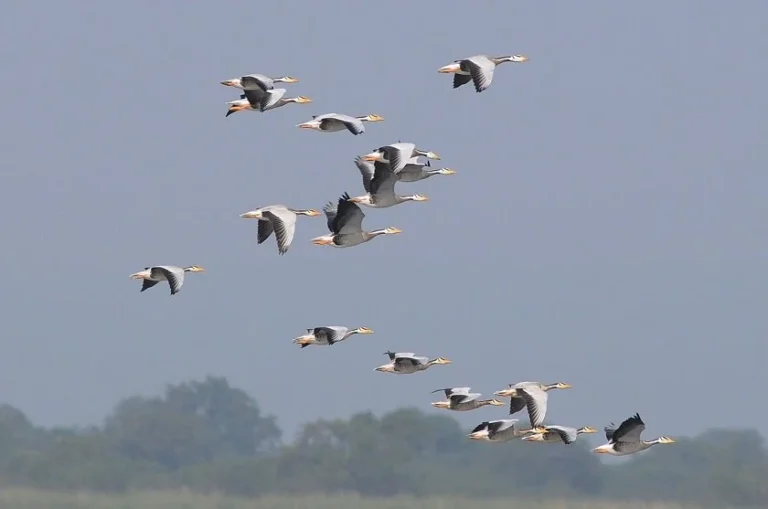
Nepal receives around 150 species of migratory birds during the winter season. After spending nearly six months in the south, they return northward to breed once temperatures begin to rise. Scientists explain that during winter in the Arctic and northern regions, shorter daylight hours limit feeding opportunities, compelling birds to migrate to warmer regions such as Nepal.
Chitwan: A Haven for Avian Diversity
Wetlands, grasslands, forests, and farmlands across Nepal provide critical habitats for migratory birds, but Chitwan is regarded as one of the most suitable environments. The rivers flowing through the national park, including the Rapti and Narayani, along with oxbow lakes and dense forests, create a thriving ecosystem for both resident and migratory species.
In addition to the protected core areas, buffer zones and community-managed forests also function as important bird corridors. Nepal is home to an impressive 902 species of birds, while Chitwan alone hosts about 652 species, making it one of the richest bird habitats in South Asia.
Arrival of Summer Migrants Begins
As winter visitors depart, another seasonal transition is already underway. Birds that migrate during the summer months have begun entering Nepal, many traveling through India before reaching their breeding grounds.
“These two movements overlap,” Bidari explained. “While winter migrants are leaving, summer migratory birds are already arriving.” Unlike winter visitors, summer migrants typically breed in Nepal, raising their young here before returning to warmer regions when the next winter begins.

A Natural Cycle with Ecological Importance
Experts emphasize that this cyclical migration is not only a fascinating natural phenomenon but also an essential indicator of ecological health. The arrival and departure of migratory birds signal seasonal shifts, support biodiversity, and help maintain balanced wetland ecosystems.
Conservationists stress the importance of protecting wetlands, rivers, and forest habitats to ensure that Nepal remains a safe sanctuary for these long-distance travelers. Proper habitat management, reduced pollution, and community awareness are seen as key to sustaining this centuries-old migratory tradition.