Nepal has made a strong impression on the international tourism stage by presenting a forward-thinking approach focused on sustainable travel, community empowerment, and diversified tourism products at ITB Berlin 2026, one of the world’s leading tourism platforms. Departing from conventional destination marketing, Nepal highlighted initiatives that prioritize responsible tourism and equitable growth for local communities.
Embracing Responsible Tourism for Global Recognition
During the event, Srijana Nepali, Senior Officer at the Nepal Tourism Board (NTB), outlined the country’s vision for responsible tourism, emphasizing strategies that balance visitor attraction with cultural preservation and environmental protection. In a global context where travelers increasingly seek destinations with ethical and sustainable practices, Nepal has positioned itself as a model for integrating tourism with social and ecological responsibility.

Its participation in ITB Spati, the platform’s specialized segment for innovative tourism solutions, allowed the country to present groundbreaking projects to a worldwide audience, demonstrating its commitment to sustainable development and climate-sensitive tourism policies.
Trail-Based Tourism: Diversifying Experiences and Destinations
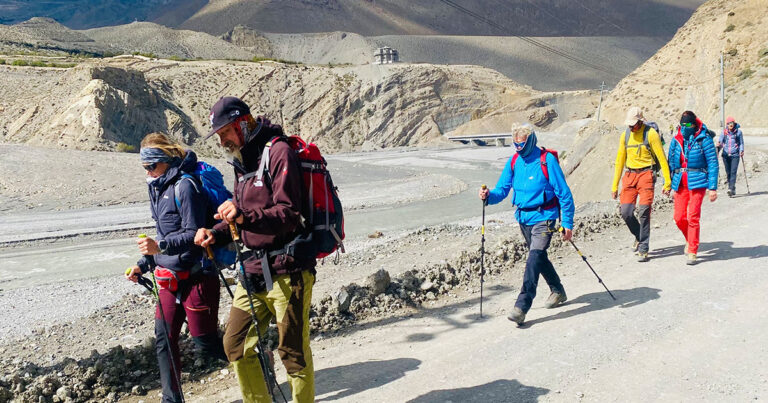
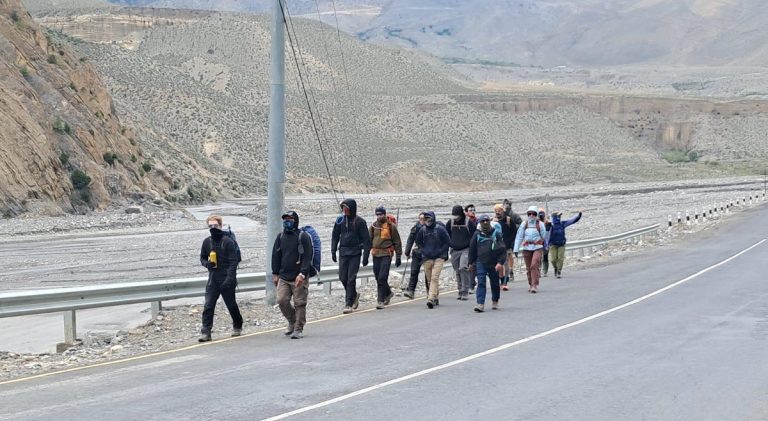
A centerpiece of Nepal’s sustainable strategy is the Trail-Based Tourism (TBT) initiative, which reimagines trekking beyond traditional high-altitude routes. Rather than concentrating tourists on already crowded trails, TBT promotes mid-hill regions, helping distribute visitors more evenly, reducing environmental pressure, and stimulating regional economies.
Four newly developed trekking corridors, Mundum, Chiyabari (Tea Garden), Phalgunanda, and Laligurans (Rhododendron), stretch nearly 400 kilometers across Koshi Province. These trails offer immersive experiences blending natural beauty, biodiversity, and local culture. Eco-friendly infrastructure, proper waste management systems, and low-impact travel practices ensure that tourism development aligns with long-term environmental sustainability.
Community participation is integral to TBT. Residents are involved in trail management, hospitality, and cultural interpretation, ensuring tourism benefits are retained locally. Capacity-building programs, including hospitality and hygiene training, strengthen both the quality of services and the resilience of these communities.
Sustainable Tourism Project: Building Resilience Post-Pandemic
Complementing these efforts is the Sustainable Tourism Project (STP), a joint initiative by NTB and UNDP Nepal, designed to revitalize its tourism sector after the COVID-19 pandemic. The project improves infrastructure along key trekking routes such as Api-Saipal, Manaslu–Himalchuli Great Lake Circuit, and Kanchenjunga Valley Base Camp, enhancing visitor experiences while generating jobs, particularly for marginalized populations.
The Sustainable Tourism Project (STP) combines public–private partnerships, digital marketing, and policy advocacy to strengthen its global competitiveness while embedding sustainability at the core of tourism development.
Product Diversification for Resilient Growth
Nepal is also expanding beyond its traditional focus on mountaineering and Everest expeditions. The country now promotes a variety of travel experiences, including cultural trails, agro-tourism, tea garden tours, spiritual tourism, and biodiversity-focused adventures. This diversification reduces reliance on a single tourism segment, making the industry more resilient to global fluctuations while offering travelers a richer, more authentic experience.
As travelers worldwide increasingly seek destinations that are socially responsible and environmentally sensitive, Nepal’s model offers a compelling example of how destinations can grow sustainably while preserving authenticity and cultural richness. The country’s vision positions it not only as a top adventure tourism destination but also as a global leader in responsible, diversified, and inclusive tourism. By integrating environmental sensitivity and responsible travel behavior into these initiatives, Nepal aligns its tourism sector with international sustainability standards, addressing climate risks and preserving natural and cultural assets for future generations.

Nepal’s Global Positioning and Future Outlook
Nepal’s presence at ITB Berlin conveyed a clear message: tourism growth should coexist with environmental stewardship and social inclusivity. By highlighting initiatives like Trail-Based Tourism and sustainable development projects, Nepal has showcased a model that benefits both travelers and local communities.
As international travelers increasingly prioritize ethical and meaningful experiences, Nepal’s approach demonstrates that destinations can achieve global appeal while maintaining local authenticity. With its focus on responsible tourism, product diversification, and community engagement, Nepal is setting a benchmark for sustainable tourism development in the 21st century.