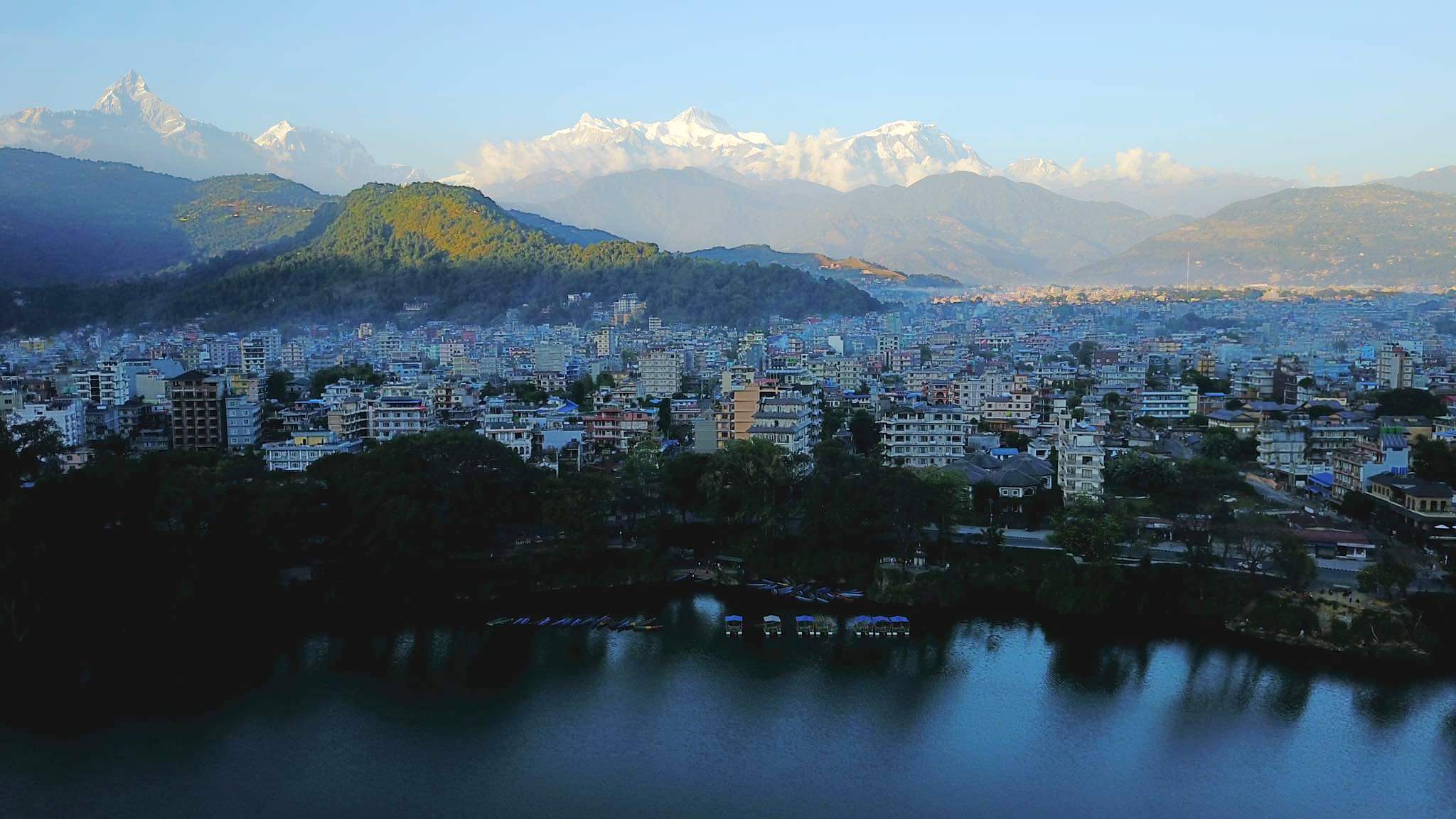
Nepal’s tourism sector, particularly in the popular destination of Sauraha in Chitwan, has been significantly affected by escalating military tensions in the Middle East. The impact has been immediate and severe, with a sharp decline in international tourist arrivals as flight disruptions, rising airfare, and safety concerns force many travelers to cancel their plans.
Sharp Decline in Tourist Arrivals in Sauraha
Tourism entrepreneurs in Sauraha report that visitor numbers have dropped drastically during what is traditionally one of the busiest seasons of the year. In previous years, hotels in the region would see occupancy rates of around 80 percent during February, March, and April. However, this year, occupancy has fallen to nearly 20 percent, reflecting a major downturn in tourism activity.

Industry representatives state that tourists from countries beyond India, China, and Australia have largely cancelled their visits. The decline comes at a critical time when Sauraha typically experiences peak tourist inflow, especially for wildlife viewing and nature-based activities.
Impact of Flight Disruptions and Rising Costs
One of the key factors behind the decline is the disruption in international air travel caused by tensions in the Middle East. Many flights that connect Europe and other regions to Nepal rely on transit routes through Middle Eastern countries. With airspace restrictions and safety concerns, several flights have been suspended or rerouted, leading to increased airfare and reduced travel convenience.
Tourism entrepreneurs say that the perception of unsafe skies has discouraged travelers from planning trips. Even tourists from unaffected regions have cancelled bookings due to uncertainty and high travel costs.
Hoteliers Report Widespread Cancellations
Om Prakash Pandey, President of the Regional Hotel Association Chitwan, stated that the ongoing crisis has severely impacted hotel businesses in Sauraha. He noted that large travel agencies have cancelled most of their bookings, leading to a dramatic fall in occupancy rates.
Pandey emphasized that the current season is usually ideal for wildlife tourism, as grasslands in Chitwan National Park are cleared, making it easier for visitors to spot animals such as rhinos and tigers. Despite these favorable conditions, the number of visitors has dropped sharply.
Similarly, tourism entrepreneur Suman Ghimire reported that around 50 percent of bookings in his hotel have been cancelled. While reservations for later months, such as October and November, remain intact, he expressed concern that the current peak season has been heavily disrupted.
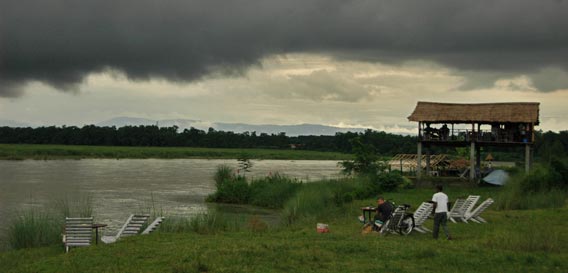
Domestic Tourism Also Affected in Sauraha
The downturn is not limited to international tourists. Industry stakeholders note that domestic tourism has also slowed down significantly. Rising costs and concerns about relatives living in conflict-affected regions have dampened the enthusiasm of Nepali travelers as well.
Gunraj Thapaliya, Vice President of the Regional Hotel Association, pointed out that inflation and emotional stress linked to the conflict have discouraged local travel. He added that increased airfare has further reduced the number of tourists from neighboring and distant countries alike.
Transit Disruptions Hit Nepal’s Tourism Flow
Hotel operators highlight that Nepal’s heavy reliance on Middle Eastern transit routes has made its tourism sector vulnerable to geopolitical instability. Many international flights to Nepal pass through major transit hubs in the Middle East, and disruptions in these routes have directly impacted tourist inflow.
Prakash Neupane, General Manager of a resort in Sauraha, stated that cancellations have surged due to halted transit flights. He stressed that the ongoing conflict has had a negative impact on Nepal’s hospitality sector, particularly during a crucial travel period. Tourism entrepreneur Santosh Giri echoed similar concerns, noting that closures of key transit airports and airline disruptions have forced travelers to cancel their trips despite having confirmed tickets.
Economic Impact on Local Community
Sauraha, a major gateway to Chitwan National Park, has a total of 148 hotels with a capacity to accommodate around 7,200 tourists. The sector provides direct employment to approximately 6,400 people and supports over 12,000 indirectly.
The decline in tourist arrivals in Sauraha has therefore had a significant economic impact on the local community, affecting not only hotels but also guides, transport operators, cultural performers, and small businesses. The area is well known for wildlife tourism, including sightings of one-horned rhinoceroses, Bengal tigers, and gharial crocodiles, as well as its vibrant Tharu cultural experiences.

Uncertain Outlook for the Season
Tourism stakeholders remain concerned about the future, as the peak season has already been heavily affected by both the Middle East conflict and recent domestic disruptions such as elections. With only a short period left in the current tourist season, industry experts fear that recovery may not be immediate.
While some hope that the situation will improve if tensions ease, the current outlook remains uncertain. Stakeholders emphasize that the tourism industry is highly sensitive to global events, and even distant conflicts can have direct consequences for destinations like Nepal. As the situation continues to evolve, tourism operators are calling for strategic measures to reduce dependency on specific transit routes and to strengthen the resilience of Nepal’s tourism sector against external shocks.