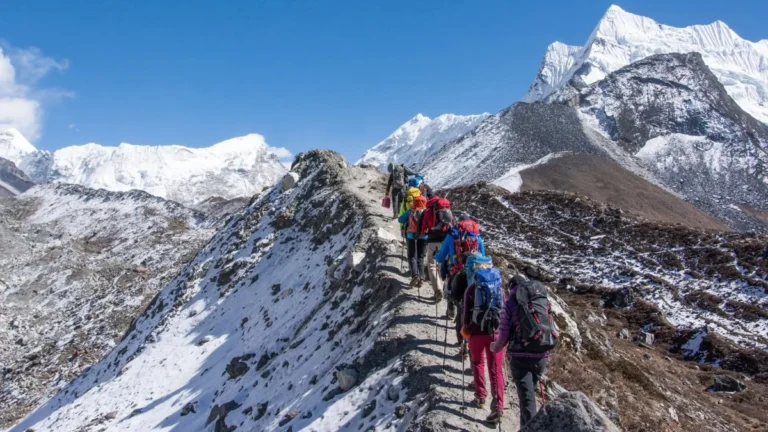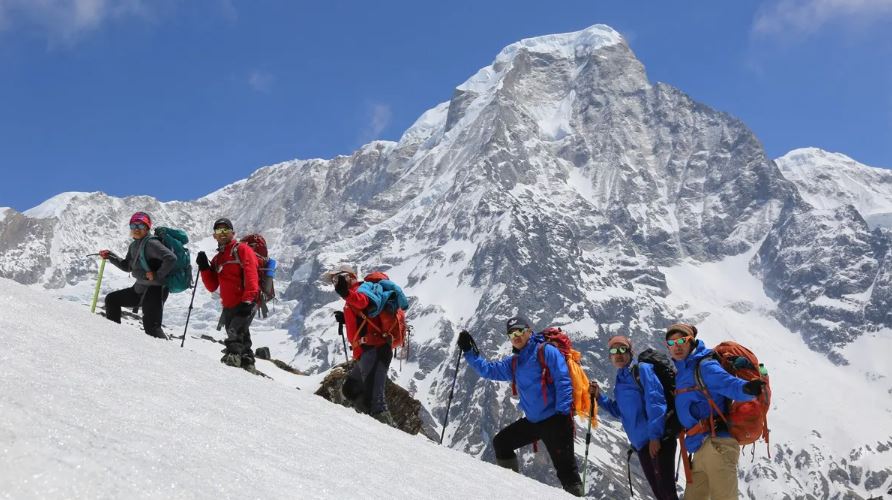
With the onset of the spring climbing season, a dedicated medical team has been deployed across the Himalayas to provide health checks and emergency care for climbers and trekkers. The Himalayan Rescue Association (HRA) has dispatched an 11-member team, including foreign and local doctors, to key locations in Solukhumbu’s Everest Base Camp, Phaplu, and Manang districts. The initiative aims to ensure the safety and well-being of both domestic and international mountaineers.
Ensuring Health Services for Mountain Tourists in Himalayas
Established in 1973 (Bikram Sambat 2030), The Himalayan Rescue Association Nepal (HRA) has long been committed to offering medical support during the peak climbing seasons in spring and autumn. As spring begins, the association has deployed a team of five foreign doctors and two Nepali physicians, supported by local staff, to strategic high-altitude locations.

HRA President Dambar Parajuli explained that temporary health centers have been set up at Everest Base Camp in Solukhumbu, Phaplu, and Manang Village to provide expert care to climbers. “Our goal is to deliver specialized medical services with the specialized medical team at the base areas for both domestic and foreign tourists heading to high altitudes. Volunteer doctors are trained extensively before deployment to ensure effective service,” he said.
Deployment of International and Nepali Doctors
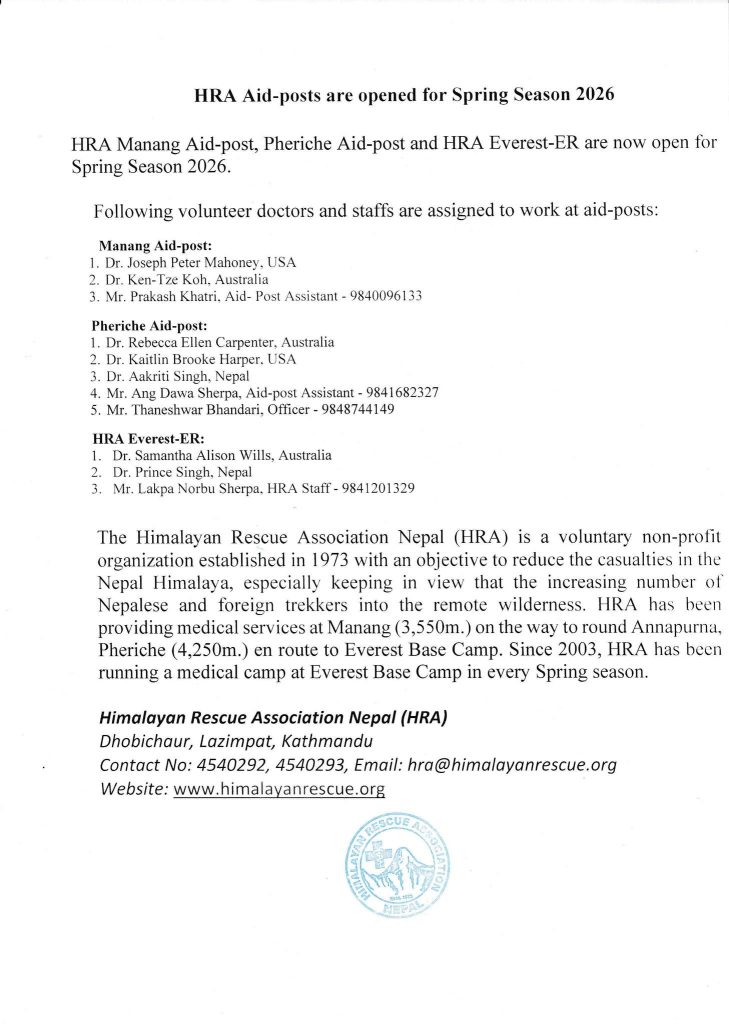
The Everest Base Camp medical unit includes Australian doctor Samantha Allison Wills, Nepali physician Prince Singh, and local assistant Lakpa Norbu Sherpa. At Phaplu Health Post, the team comprises Australian doctor Rebecca Ellen Carpenter, American doctor Caitlin Brooke Harper, Nepali physician Aakriti Singh, along with assistants Aang Dawa Sherpa and Thaneshwor Bhandari.
Meanwhile, the Manang Health Post hosts American doctor Joseph Peter Mahoney, Australian doctor Ken J. Koh, and local assistant Prakash Khatri. These teams are equipped to handle a range of altitude-related illnesses, injuries, and other health emergencies common to high-altitude trekking and climbing.
Years of Experience in Mountain Health Services
The Himalayan Rescue Association has been providing medical support to thousands of trekkers and climbers each year. During Janai Purnima, the organization even sets up health camps at Gosaikunda to cater to pilgrims and trekkers.
HRA Chief Executive Officer Govinda Basyal highlighted the rigorous training that volunteer doctors receive before deployment, focusing on altitude sickness, frostbite, and other high-altitude health risks. “We ensure that all medical personnel are fully prepared to handle health issues specific to Himalayan regions. Only doctors approved by the Nepal Medical Council are allowed to operate in these areas,” Basyal said.
Free Services for Domestic Trekkers
The HRA provides free health services to Nepali trekkers and climbers, ensuring accessibility for all. Local and international mountaineers benefit from early diagnosis and treatment, reducing risks associated with high-altitude expeditions.

Former President of the Trekking Agencies’ Association of Nepal (TAAN), Nilhari Bastola, praised the association’s initiative. “Providing health services to climbers in remote high-altitude areas is commendable. Such support is critical for both domestic and international tourists, and ideally, these services should also be backed by government health agencies,” Bastola stated.
Legacy of High-Altitude Medical Support
Since its establishment, the Himalayan Rescue Association has maintained a continuous presence in the Himalayas. Health camps have operated at Everest Base Camp since 2003, in Phaplu since 1973, Manang Village since 1980, and Gosaikunda since 1997, offering assistance to climbers, trekking staff, and pilgrims alike. Over the decades, the association has become a vital part of Nepal’s mountain tourism infrastructure, ensuring that high-altitude adventurers receive timely and professional medical care.