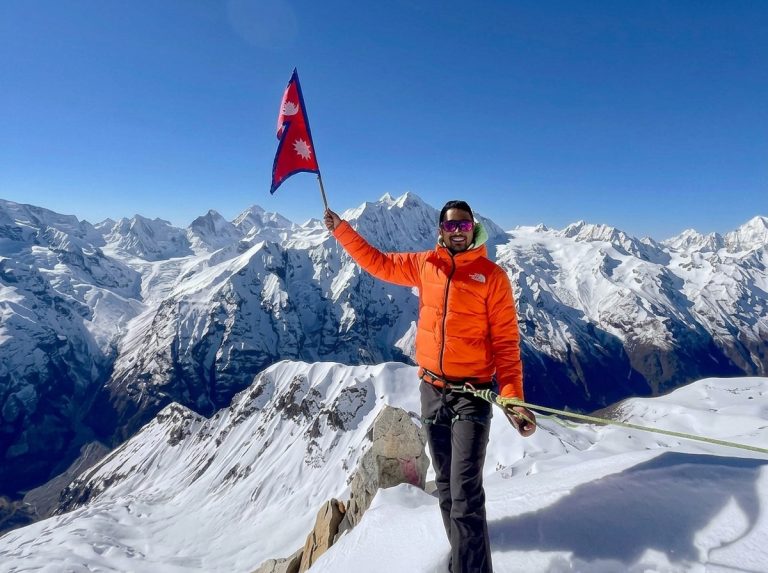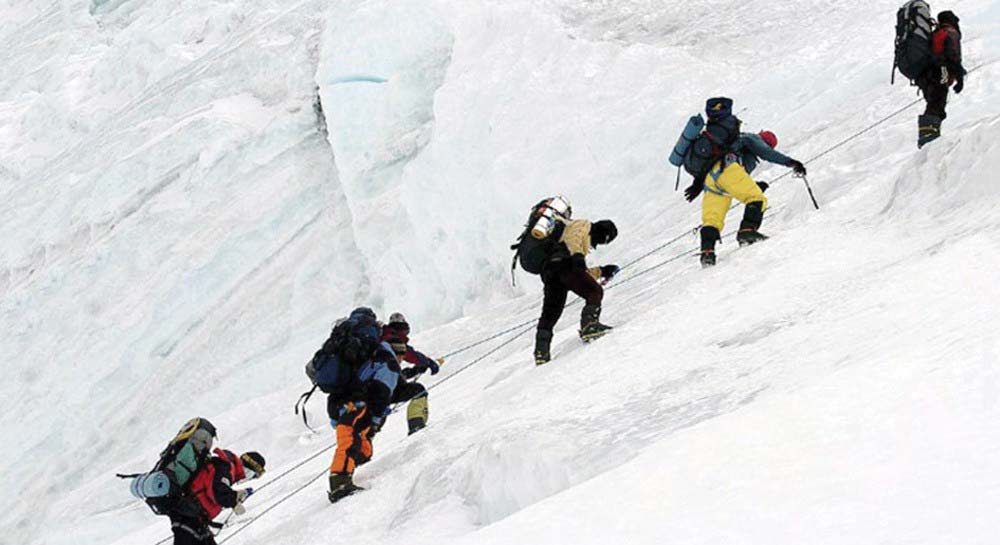
The number of climbers attempting to summit Mount Everest from the Nepali side is expected to increase by around 30 percent this spring season, following China’s decision not to issue permits to foreign climbers via the northern (Tibet) route.
According to the Department of Tourism and the Nepal Mountaineering Association, the spring season, from February to May, is considered the prime window for Everest expeditions. However, this year’s restriction from the Chinese side is likely to shift the majority of climbers to Nepal’s southern route.

Officials Expect Increased Revenue and Climbing Activity
Director at the Department of Tourism, Himal Gautam, said that although there is no formal exchange of official information between the two sides, recent developments indicate that China has not granted climbing permits from Tibet this season.
“We have heard that the Chinese government has not issued permits for Everest expeditions from Tibet. Amid global uncertainties, including ongoing conflicts in the Middle East, this development is likely to increase enthusiasm for climbing from the southern side,” Gautam said. He added that the situation is expected to result in higher climbing activity in Nepal, along with a significant increase in government revenue from permit fees.
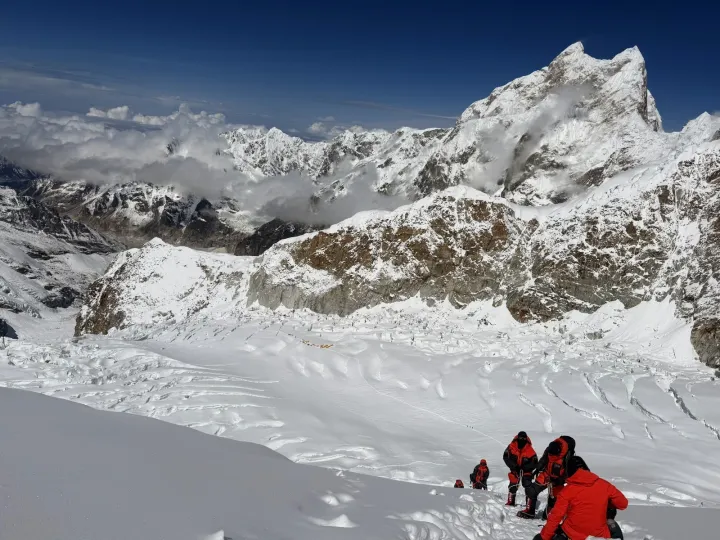
Higher Permit Fees to Boost Government Earnings
The Government of Nepal has also increased the Everest climbing permit fee this year. Foreign climbers are now required to pay USD 15,000 per person for a spring expedition, up from the previous USD 11,000. Officials say the increased fee, combined with a likely rise in climber numbers, will substantially boost revenue collection. As of now, the government has already generated over Rs 444 million in royalties from Everest permits.
Mountaineering Association Predicts 30 Percent Rise in Climbers
President of the Nepal Mountaineering Association, Fur Gelje Sherpa, stated that the absence of permits from the Tibet side could lead to a 30 percent increase in climbers choosing Nepal as their route to Everest.
He also revealed that the China Tibet Mountaineering Association (CTMA) has not issued permits for other peaks, such as Shishapangma and Cho Oyu, this season, further limiting climbing options from the northern side. Chinese authorities are believed to have imposed the restrictions due to past controversial incidents in the mountains, although no detailed official explanation has been made public.

Strong International Participation Already Recorded
According to the Department of Tourism, as of Saturday, a total of 204 climbers from 41 countries have already received permits to climb Mount Everest from Nepal. The steady inflow of climbers highlights continued global interest in Everest expeditions, despite geopolitical uncertainties and rising costs.
Nepal Emerges as Primary Gateway for Everest Expeditions
With the northern route effectively closed to foreign climbers this season, Nepal is set to become the primary gateway for Everest expeditions in 2026. Tourism officials believe this shift will not only increase climbing activity but also strengthen Nepal’s position as the world’s leading destination for high-altitude adventure tourism.