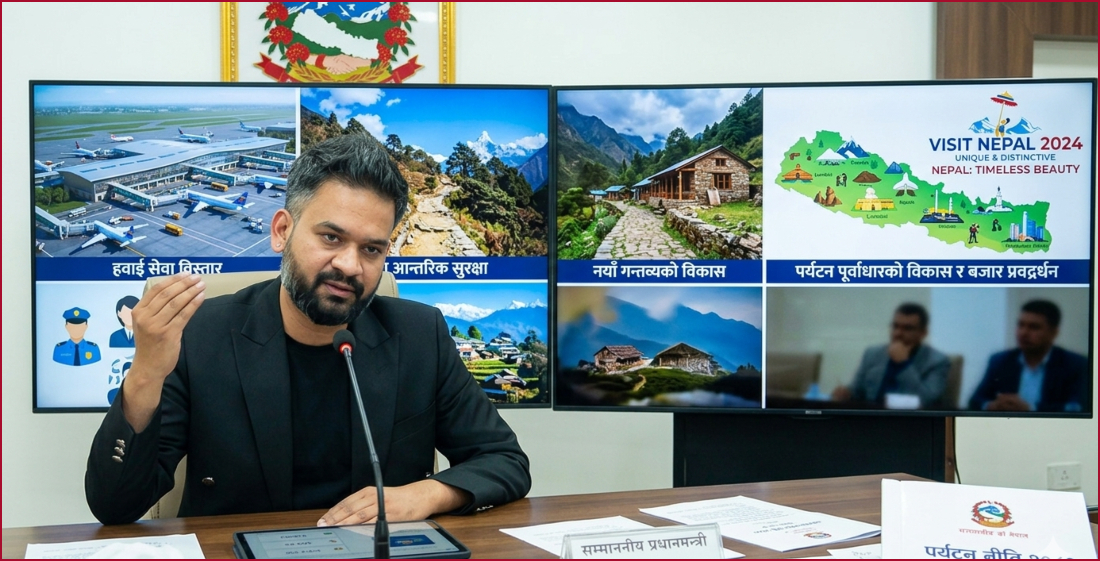
The government has unveiled an ambitious plan to strengthen aviation safety, expand tourism infrastructure, and position Nepal as a global tourism and wellness destination through a comprehensive set of commitments under its 18-point national governance reform draft released on Tuesday. The plan focuses on structural reforms in the aviation sector, tourism diversification, destination branding, and long-term economic transformation through high-value tourism development.
Aviation Reform: Civil Aviation Authority of Nepal (CAAN) to Be Split for Safety Enhancement
The government has proposed restructuring the Civil Aviation Authority of Nepal (CAAN) into two autonomous entities, one as a service provider and another as a regulator. The move is aimed at strengthening air safety standards and improving operational efficiency in Nepal’s aviation sector. Officials stated that the reform is intended to align Nepal’s aviation governance with international best practices and reduce regulatory conflicts of interest.

Full Operation of Pokhara and Bhairahawa Airports
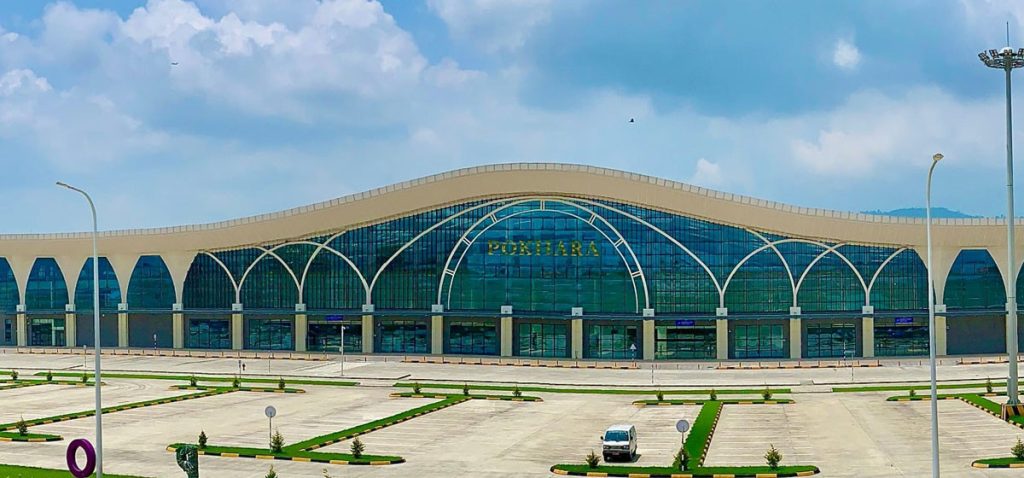
The commitment document prioritizes the full-scale operation of Pokhara International Airport and Gautam Buddha International Airport in Bhairahawa. The government has pledged to establish direct international flights from major global cities, enhancing Nepal’s global connectivity and boosting tourism inflow.
Tourism Branding and Global Promotion Strategy
The government has outlined a broad strategy to brand Nepal’s unique identity in the global market through tourism infrastructure development, market promotion, air service expansion, and destination diversification.
It aims to increase tourist arrivals and extend the average length of stay, with a target of doubling per capita tourist spending within five years. Authorities also plan to develop a new tourism ecosystem integrating nature, culture, and community-based tourism models.
Religious and Cultural Tourism Development
Special infrastructure development will be undertaken to promote major religious and cultural tourism circuits, including:
- Pashupatinath and Lumbini
- Kathmandu Valley’s heritage and architecture
- Hindu-Buddhist corridor from Devghat to Muktinath
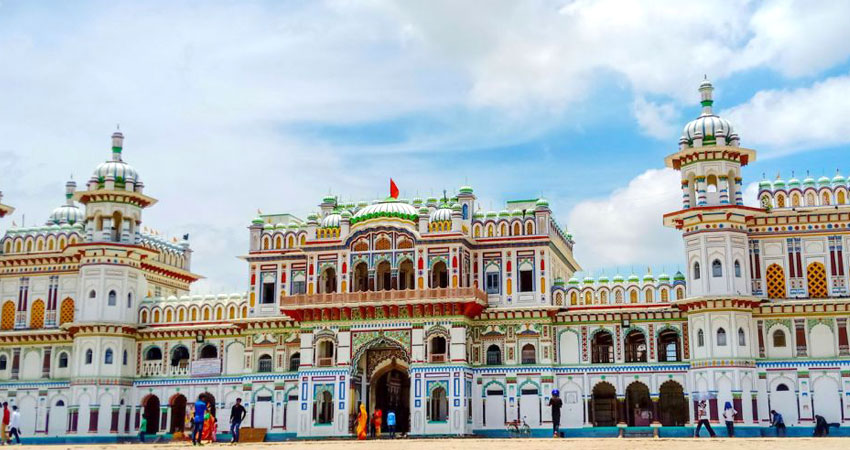
- Janakpur is a major religious and cultural hub
The government aims to establish these destinations as globally recognized spiritual tourism centers.
“Wellness Year 2027” and Tourism Diversification
In collaboration with provincial and local governments, private sector stakeholders, and communities, the government has announced plans to observe 2027 as the National Wellness Year. The initiative will promote wellness tourism by integrating nature, culture, and lifestyle experiences into a diversified tourism ecosystem.
Cultural Heritage and Homestay Tourism Promotion
The plan emphasizes promoting Nepal’s identity-based tourism, incorporating traditional lifestyles, ethnic cuisine, local attire, and handicrafts. Homestay programs and community-based tourism packages will be expanded to provide authentic cultural experiences to visitors.
Adventure Tourism and “Clean Himalaya” Campaign
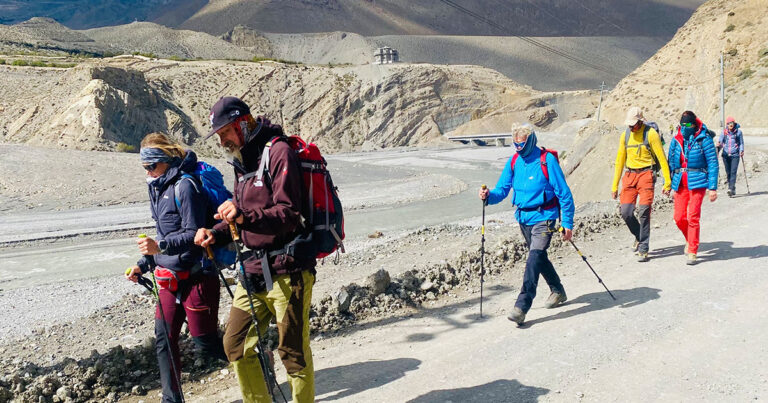
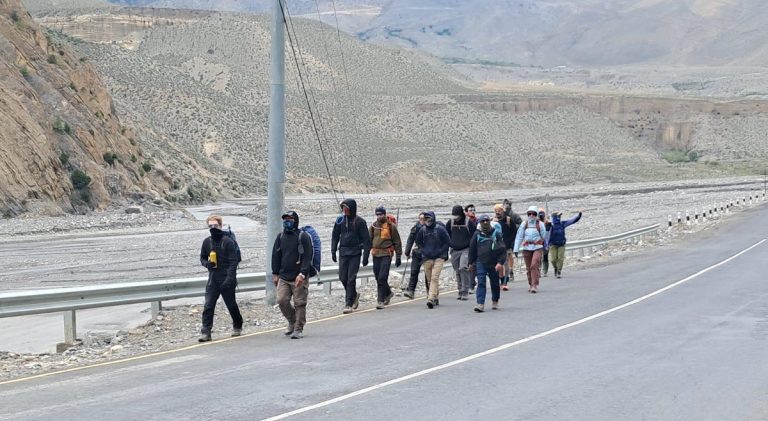
For adventure tourism, the government will coordinate with all three tiers of government to promote sustainable tourism practices, including the “Clean Himalaya: Safe Climbing” campaign. New trekking destinations and mountain routes will be developed, while additional peaks will be opened for climbing to boost mountaineering tourism.
Expansion of Religious Tourism Sites
Several religious and spiritual sites are planned for development as major tourism hubs, including: Salpa Silichung, Swoyambhu, Namo Buddha, Lumbini, Muktinath, Halesi Mahadev, Pindeshwor, Dantakali, Gosaikunda, Pashupatinath, Pathibhara, and Mukumlung Sumnimapa Ruhang.
These sites will be developed with improved infrastructure and connectivity to strengthen Nepal’s spiritual tourism network. The government has also proposed tourism and hospitality training programs at provincial and local levels to enhance service quality and workforce capacity in the sector.

Off-Season Tourism and Public-Private Partnership Expansion
To promote year-round tourism, the plan includes special off-season packages and seasonal promotional programs. Public-private partnerships will be expanded for the development of hotels, resorts, adventure tourism services, and eco-tourism infrastructure across the country.
The government’s commitment reflects a long-term vision to transform Nepal into a high-value tourism destination while ensuring sustainability, cultural preservation, and inclusive economic growth through diversified tourism development.