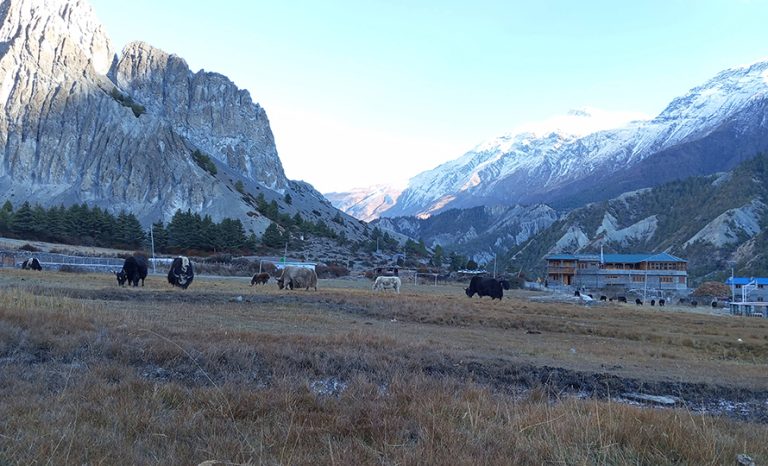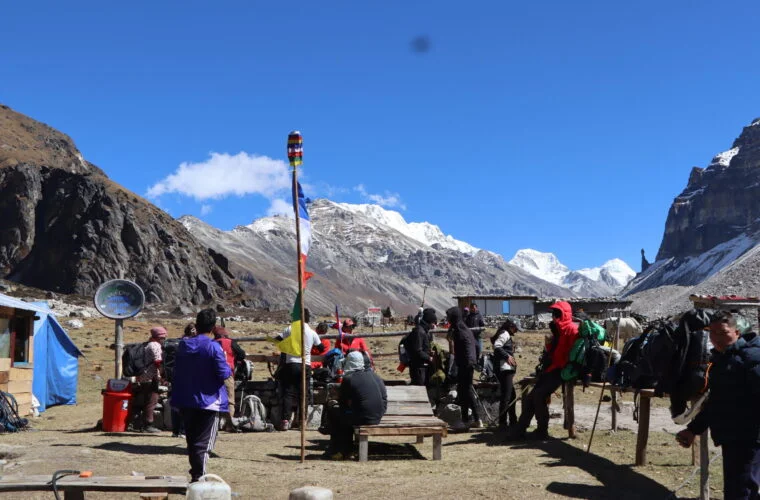
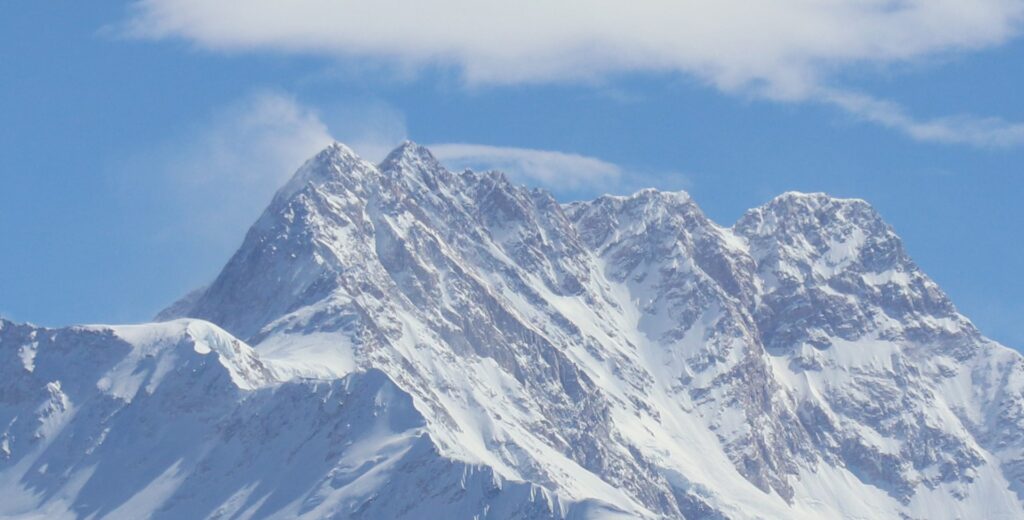
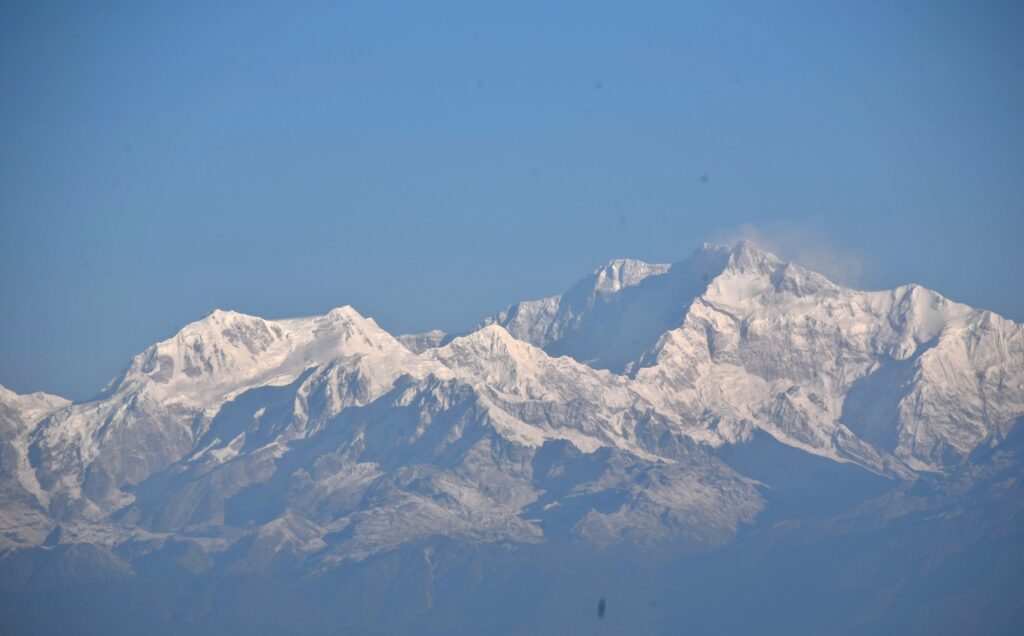
The world’s third-highest mountain region, Kanchenjunga, located in eastern Nepal, has started witnessing an influx of tourists as the spring trekking season begins. With improving weather conditions, both domestic and international visitors have begun arriving in increasing numbers, signaling the start of one of the region’s busiest travel periods.
Spring Season Marks Peak Tourism Window
According to tourism officials, the Kanchenjunga region is considered most suitable for trekking and exploration from the first week of Chaitra to the third week of Jestha (mid-March to early June), while another peak season runs from Ashoj to Mangsir (September to November). Tashi Chhiring Sherpa, a tourism assistant at the Ghunsa checkpoint under the Kanchenjunga Conservation Area Management Council, stated that 165 foreign tourists have visited the region in the past month alone. He further noted that during the previous spring season, around 750 foreign tourists entered the area, reflecting the growing popularity of the destination among global trekkers.

Two Major Trekking Routes to Base Camp
Tourists visiting the Kanchenjunga Base Camp generally use two main trekking routes. One route passes through Ganeshchok in Panchthar and continues via the Sirijanga Rural Municipality. The second route involves air travel from Kathmandu to Suketar Airport, followed by a trek through the pathway leading via Phaktanglung Rural Municipality. Both routes offer unique cultural and natural experiences, passing through remote Himalayan settlements and diverse ecological zones.
Expanding Hospitality Infrastructure in High Altitudes
To support the growing number of trekkers, a total of 52 hotels and lodges of varying sizes are currently operating along the Kanchenjunga trekking route, according to the Kanchenjunga Conservation Area Management Council.
In recent years, significant investment has also been made in the hospitality sector. In Gyapla, located in Phaktanglung Rural Municipality–6, a major hotel named “Singi Namjong Hotel” has been established with an investment exceeding NPR 70 million. Additionally, four hotels situated at elevations between 3,500 and 4,500 meters have been built with investments exceeding NPR 10 million each, while several other lodges have been developed with investments of around NPR 8 million or more.
Local Communities Embrace Tourism Economy
In the district headquarters, Phungling Bazaar, large-scale hotels catering to tourists have also begun operations. The increasing flow of visitors has brought optimism among tourism entrepreneurs and hotel operators. Tourism has become the primary source of livelihood for local communities in the Kanchenjunga Conservation Area.
Residents of Ghunsa, Phale, and Yamphudin are now directly engaged in tourism-related activities, according to Sherpa. Many households operate guesthouses, while others work as trekking guides or support staff, creating a wide network of tourism-based employment. Due to limited agricultural opportunities in the region, younger generations are increasingly shifting from traditional livestock farming toward tourism and hospitality businesses.

Growing International Interest in Kanchenjunga
Kanchenjunga holds historical significance, with its first successful ascent recorded on May 25, 1955. While earlier expeditions from Phungling required nearly 24 days of trekking, improved trails and logistics have reduced the journey to approximately 11 to 16 days for round-trip trips to both base camps. Tourist traffic is highest during the spring (Chaitra–Jestha) and autumn (Ashoj–Mangsir) seasons. Mountaineering expeditions are mainly concentrated in April and May.
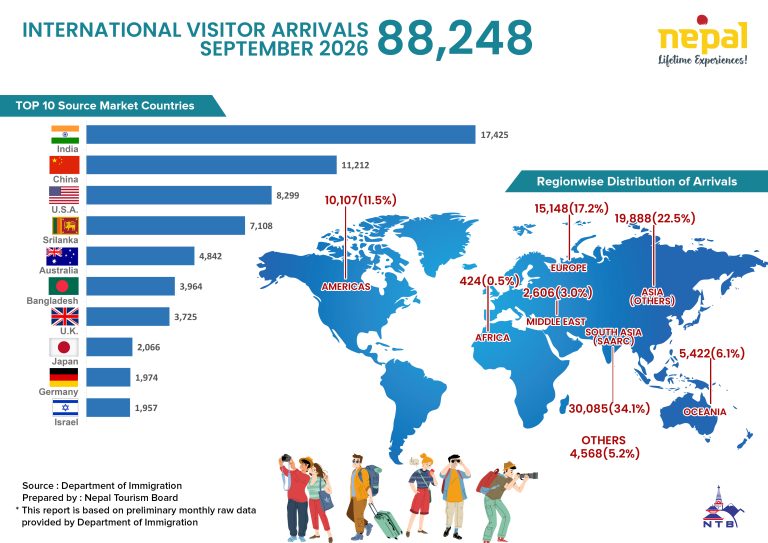
The region attracts visitors from across the world, including Japan, Germany, Australia, the United States, France, the United Kingdom, the Netherlands, Canada, Switzerland, Belgium, the Philippines, Spain, Sweden, as well as India and China, though in smaller numbers. With rising interest and expanding infrastructure, Kanchenjunga is steadily strengthening its position as one of Nepal’s premier trekking and adventure destinations.