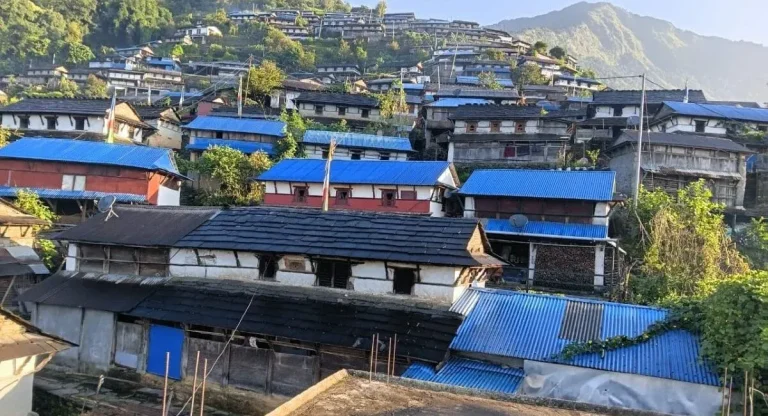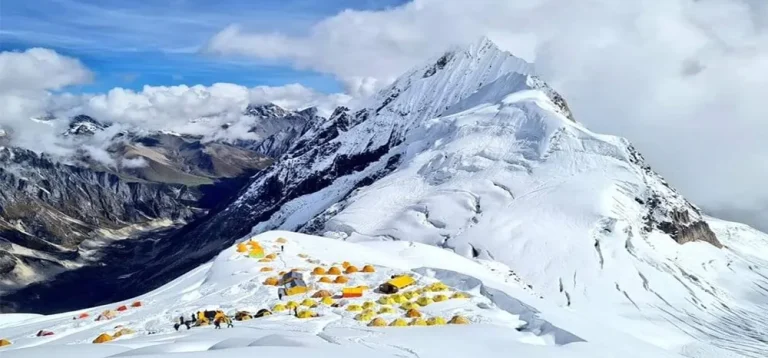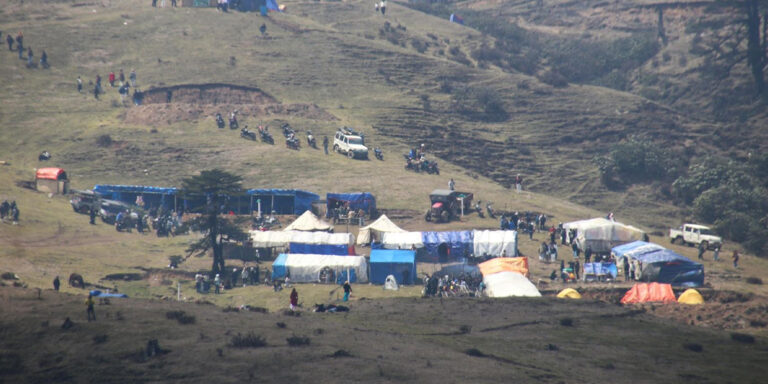
Phalut, a scenic high-altitude destination in Panchthar district that attracts over 5,000 tourists annually, continues to struggle with basic infrastructure shortages. Phalut is situated at an altitude of around 3,400 meters along the Nepal–India border, the area is increasingly gaining popularity among domestic and international visitors. However, the lack of reliable roads, electricity, and internet connectivity remains a major obstacle to its sustainable tourism growth. Local stakeholders say that while the destination has immense potential, these infrastructural gaps are preventing it from evolving into a fully developed tourism hub.
Road Access Remains a Major Concern
One of the most pressing issues in Phalut is the lack of a well-maintained road network. Although road tracks have been extended from Prangbung to Chararate and from Memeng to Tinsimana, these routes are not fully operational year-round.

During the monsoon season, muddy and slippery roads make transportation extremely difficult, often cutting off access for vehicles. Locals say that even though road upgrading works are carried out annually, they have not been sufficient to ensure smooth and regular transportation. Tourism entrepreneurs believe that improving road accessibility could significantly increase tourist arrivals, as many visitors are currently discouraged by the difficult journey.
Limited Services Affect Tourist Experience
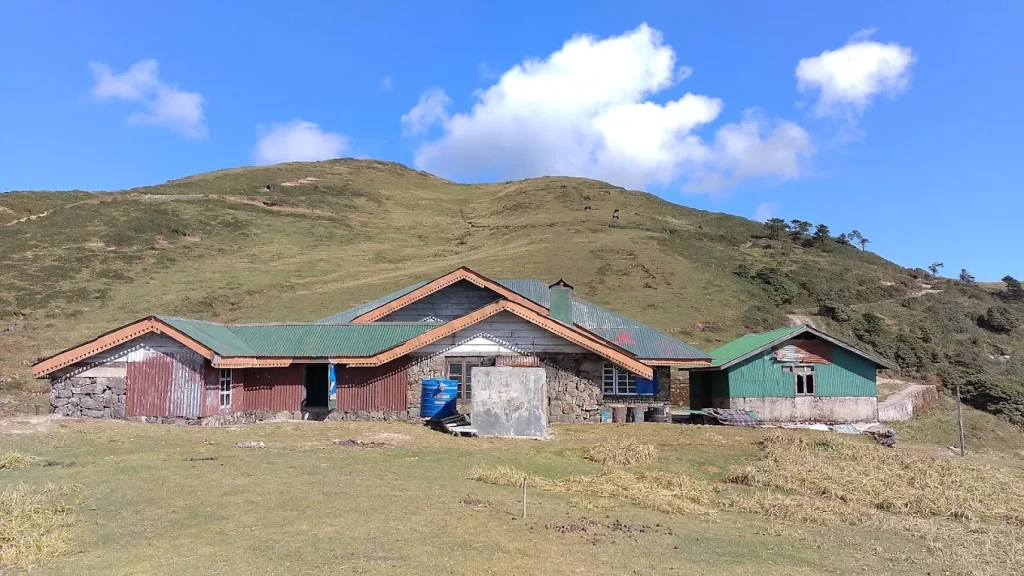
Accommodation in the region is primarily based on traditional “goath stays”, operated by local herders. Out of 31 herding shelters, around a dozen currently provide lodging and basic services to tourists. However, due to logistical challenges, operators struggle to provide consistent and quality services. According to local entrepreneur Chandra Lal Nepal, transporting essential supplies to such a high-altitude region is extremely difficult. He noted that poor road conditions make it hard to bring goods by vehicle, especially during the rainy season, limiting their ability to cater to growing tourist expectations.
Cross-Border Transport Issues Add Complexity
Local herders and business operators also face complications related to cross-border transport. Although road conditions on the Indian side are relatively better, restrictions on the movement of Nepali vehicles have created additional hurdles.
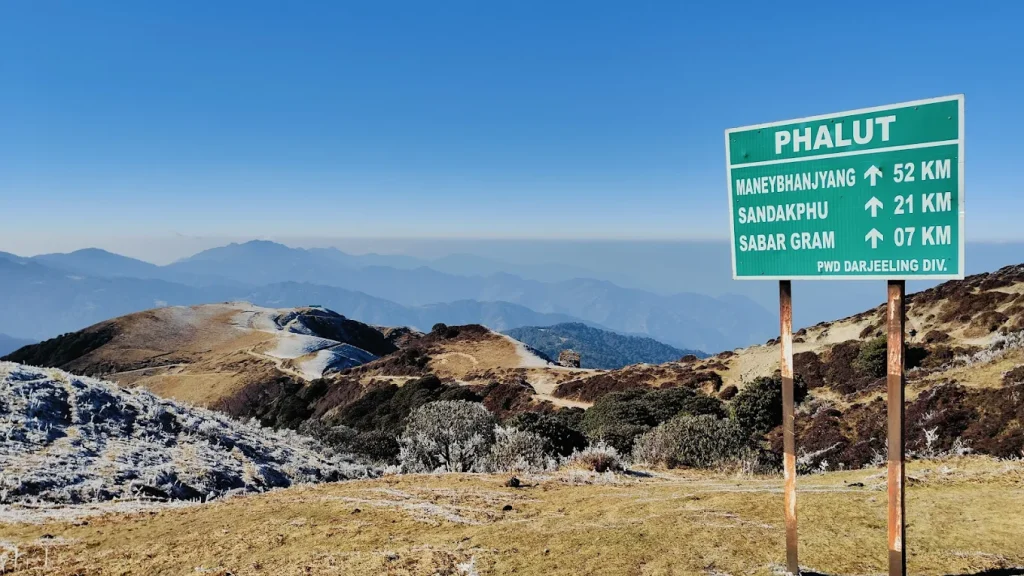
Ramchandra Gurung, Chairman of the Kanchenjunga Yak Herders Group, explained that while there is no formal ban, there are practical limitations that discourage Nepali vehicles from operating across the border. This has made the transportation of goods both costly and inefficient, further impacting local businesses.
Electricity and Internet Still Unreliable
In addition to transportation issues, unreliable electricity supply remains a major concern in Phalut. Frequent power disruptions affect both residents and tourism operators, making it difficult to run basic services.
Although Nepal Telecom has recently expanded network coverage in the area, internet connectivity is still weak and inconsistent. This has limited communication and digital services, which are increasingly important for modern tourism activities.
Growing Popularity Despite Limitations
Despite these challenges, Phalut has seen a steady increase in tourist arrivals, particularly since the introduction of the annual Chauri Tourism Festival in 2017. The event has helped promote local culture and products, especially those derived from yak, creating new income opportunities for residents.
The festival has attracted visitors not only from across Nepal but also from neighboring countries such as India, Bhutan, and Bangladesh. By the ninth edition, it has become a key event contributing to the region’s tourism growth.
Untapped Potential and Local Expectations
According to Mahendrahanga Jabegu, Vice-Chairperson of Phalelung Rural Municipality, Phalut has the potential to become a major tourism destination if infrastructure development is prioritized. He stressed the need for investment in road upgrading, tourism information centers, improved accommodation facilities, and basic amenities such as toilets. Enhanced promotion and support from provincial and federal governments, he added, could further boost tourist numbers.

A Unique High-Altitude Experience
Phalut offers a rare combination of natural beauty and cultural richness. Visitors are drawn to panoramic views of Himalayan ranges spanning Nepal, India, and Bhutan, as well as vibrant landscapes filled with blooming rhododendrons and chimals. Tourists also get the opportunity to witness traditional Himalayan lifestyles, including yak herding and highland culture, making the destination particularly appealing for experiential tourism.
Balancing Growth with Development
While Phalut continues to attract thousands of visitors each year, its future as a major tourism destination will depend largely on how quickly infrastructure gaps are addressed. Local stakeholders remain hopeful that with proper investment and planning, the region can overcome its current limitations and fully realize its potential as one of eastern Nepal’s most unique and attractive tourism destinations.