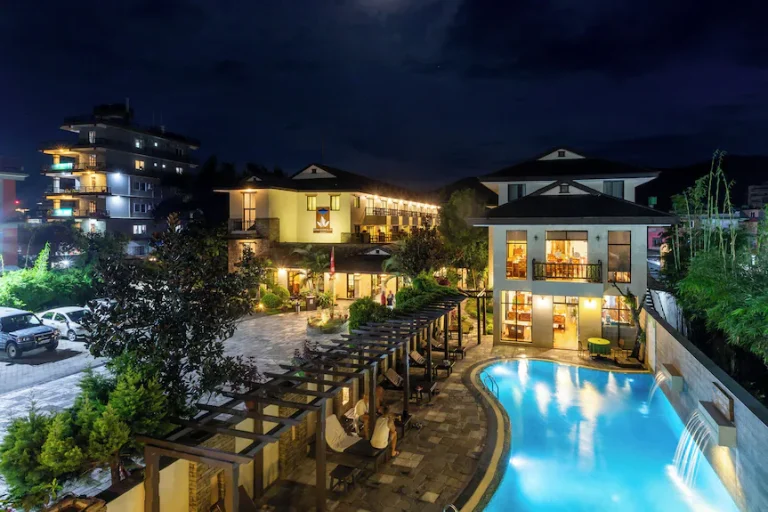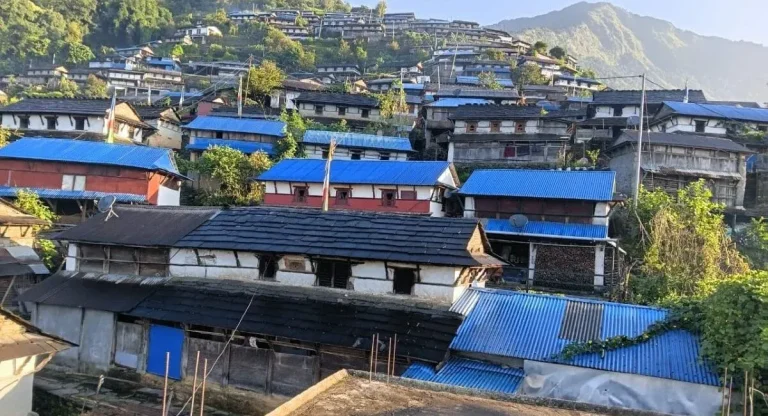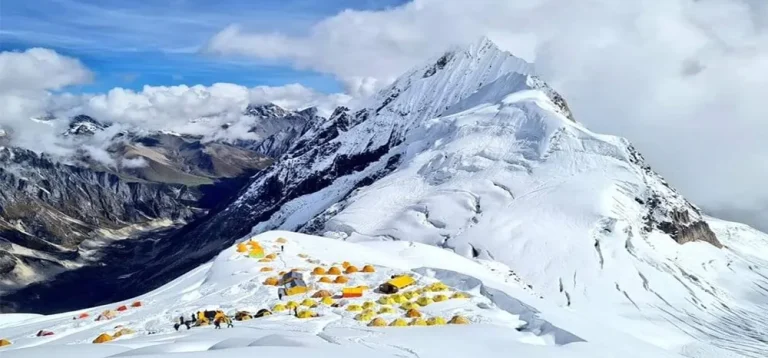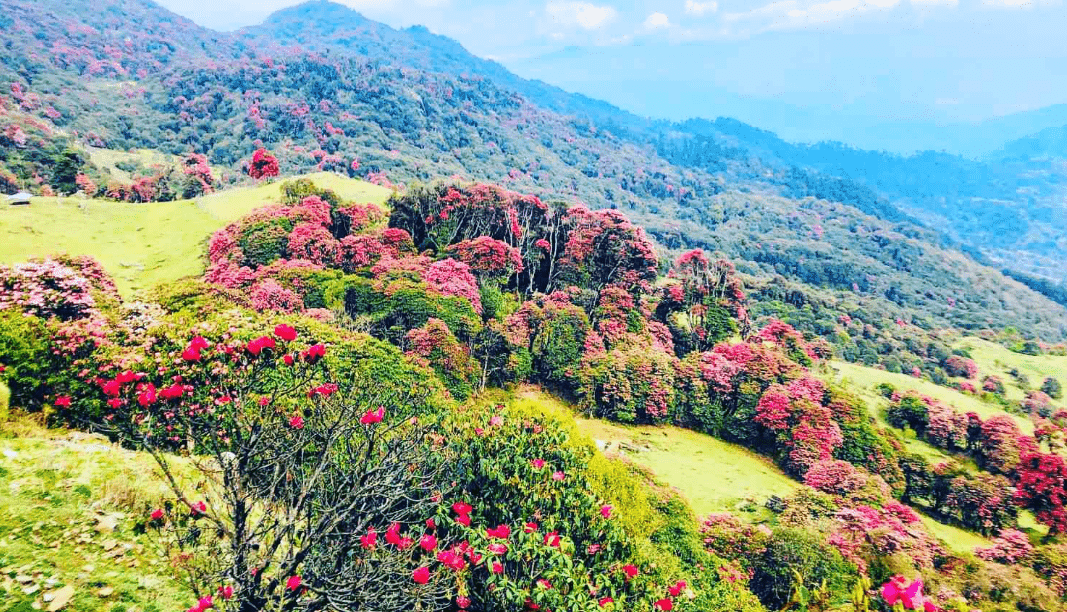
The scenic Tinjure Milke Jaljale (TMJ) region, which connects Tehrathum, Sankhuwasabha, and Taplejung districts, witnessed a significant influx of both domestic and international tourists on Saturday. With the arrival of the rhododendron blooming season, popular areas such as Basantapur Chhothlung Park, Tute Deurali, RR Garden, Dudh Pani, Ghurbase, Pathibhara surroundings, Panch Pokhari, and nearby cave sites saw heavy visitor movement. Local authorities reported that hotels and lodges in the region are operating at full capacity, while trekking trails have become increasingly crowded due to the seasonal tourist surge.

A Biodiversity Hotspot at High Altitudes
Stretching from approximately 1,700 meters to over 5,000 meters above sea level, the Tinjure Milke Jaljale (TMJ) region is widely recognized as one of Nepal’s most important ecological zones. The area is renowned for its rich biodiversity and breathtaking landscapes, making it a prime destination for nature lovers, trekkers, and researchers alike. Its unique altitude range supports diverse flora and fauna, contributing to its growing popularity as a tourism hotspot.
Global Recognition for Rhododendron Diversity
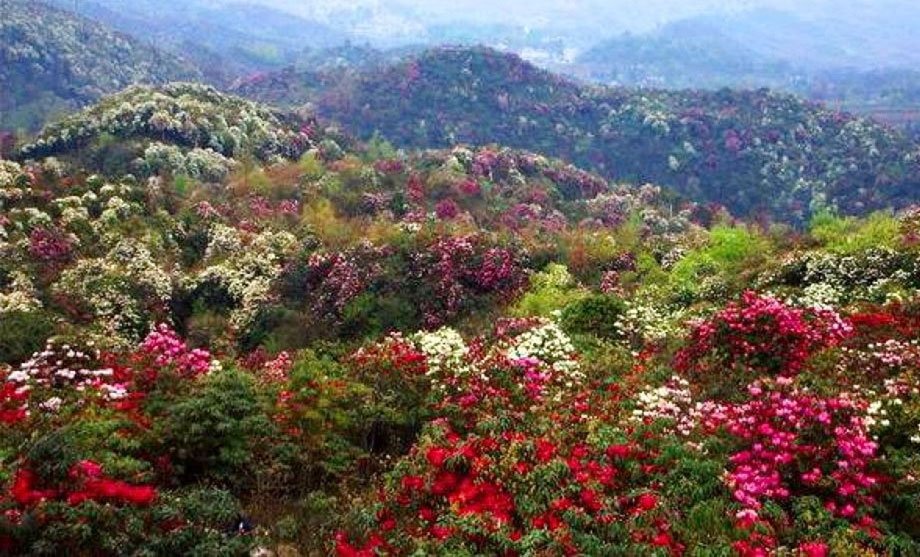
The Tinjure Milke Jaljale (TMJ) region has gained international recognition for its extraordinary rhododendron diversity. Out of the 32 species of rhododendron found worldwide, 28 species are found in this region alone, making it one of the most important rhododendron conservation areas globally.
During the spring months from Chaitra to Jestha (March to May), the forests transform into a vibrant display of colors as rhododendrons bloom in shades of red, pink, and white. This natural spectacle attracts thousands of tourists each year not only from across Nepal but also from neighboring Indian regions such as Siliguri, Darjeeling, and Sikkim.
Growing Concerns Over Environmental Damage
Despite the increasing popularity of the region, authorities have raised concerns about harmful activities affecting the environment. Reports indicate that some visitors and locals have been picking rhododendron flowers and breaking branches, posing a threat to the fragile ecosystem.
Indra Bahadur Khadka, Chairperson of the Chaite Community Forest User Committee, has issued a strong warning against such practices. He stated that individuals found damaging the forest will face strict action under prevailing forest laws.
Conservation Efforts and Awareness Campaigns
The community forest user committee has prioritized rhododendron conservation and is actively conducting awareness campaigns to educate visitors and locals about the importance of preserving natural resources.
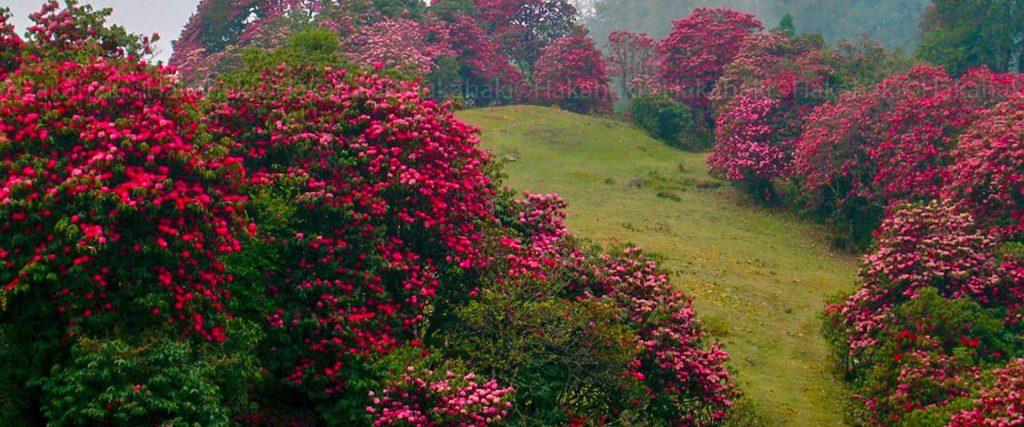
Local residents have also joined the effort by urging tourists not to pluck flowers or damage plants. They emphasize that protecting the region’s natural beauty is essential for sustaining tourism and ecological balance. Stakeholders believe that conservation and tourism must go hand in hand to ensure the long-term sustainability of the Tinjure Milke Jaljale (TMJ) region.
Increasing Tourism Boosts Local Economy of Tinjure Milke Jaljale (TMJ) Region
The surge in visitors has brought economic benefits to local communities. Hotels, lodges, and small businesses have experienced increased demand, while trekking and guiding services have also seen a rise in activity. Tourism operators note that the rhododendron season is one of the most important periods for local income generation, highlighting the need to manage tourism responsibly.
Shared Responsibility for Sustainable Tourism
Experts and local stakeholders stress that preserving the Tinjure Milke Jaljale (TMJ) region is a shared responsibility. While tourism brings economic opportunities, it also requires careful management to prevent environmental degradation. They call for greater coordination between local authorities, tourism operators, and visitors to ensure that the region remains a pristine natural destination for future generations.

Balancing Tourism Growth and Conservation
The growing popularity of the Tinjure Milke Jaljale region reflects its status as a unique natural treasure of Nepal. However, the recent surge in visitors also underscores the urgent need for responsible tourism practices. By promoting awareness, enforcing conservation laws, and encouraging sustainable behavior, stakeholders aim to protect this remarkable landscape while continuing to welcome visitors from around the world.