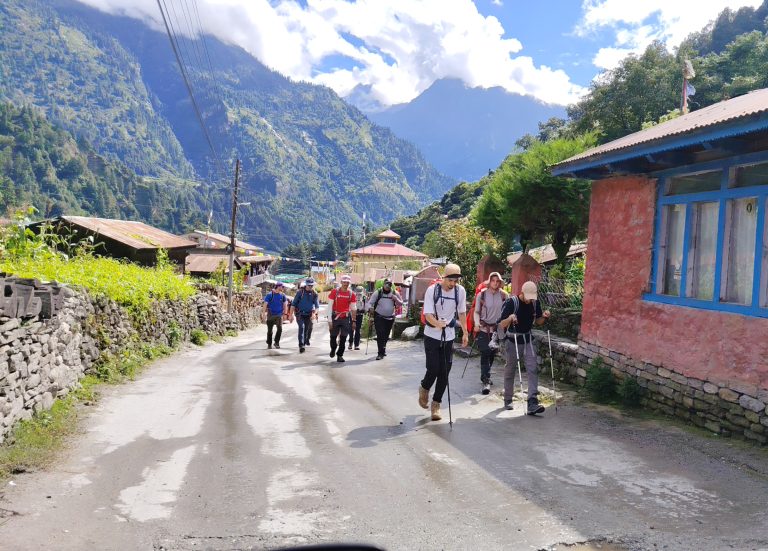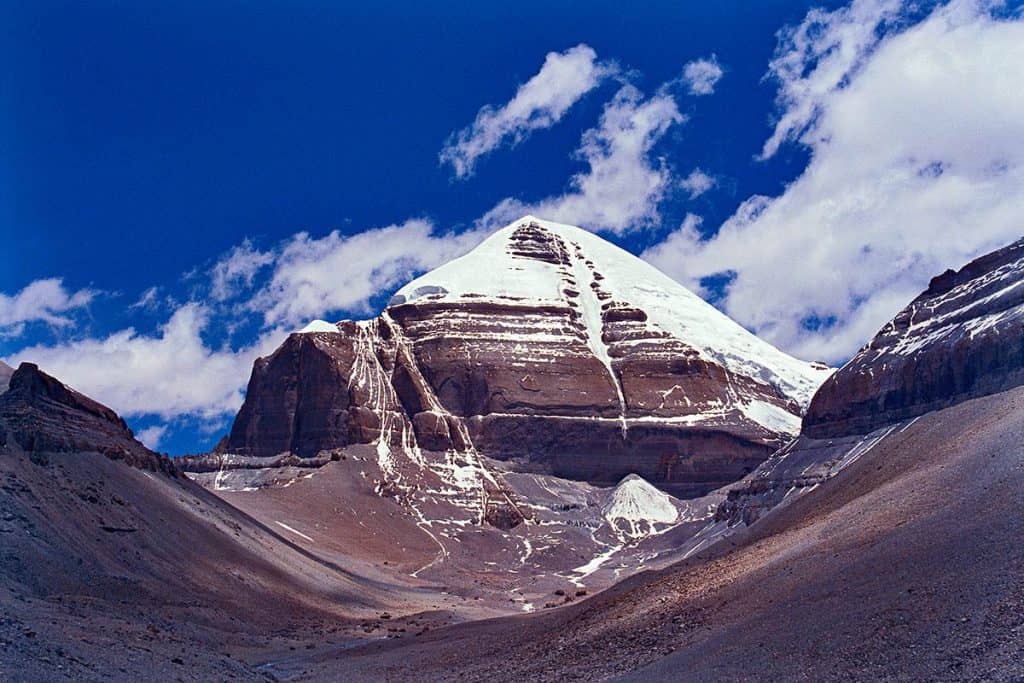
The pilgrimage to the sacred Hindu and Buddhist sites of Mount Kailash and Lake Mansarovar has officially resumed through the Nepal–China border at Rasuwagadhi, with growing numbers of pilgrims traveling via the Kerung route this season.
According to the Immigration Office at Timure, around 300 pilgrims have already departed for Mount Kailash and Lake Mansarovar via the Kerung border point. Officials confirmed that the flow of religious travelers is steadily increasing as the pilgrimage season progresses.

Diverse International Participation in Pilgrimage Journey of Mount Kailash and Lake Mansarovar
Acting Chief of the Immigration Office, Meghnath Sharma, stated that this year’s pilgrims include citizens from India, Russia, and the United Kingdom, alongside other nationalities. The route continues to attract global attention as one of the most significant spiritual journeys for devotees of multiple faiths, including Hinduism, Buddhism, and Bon traditions.
Strong Growth in Pilgrim Numbers and Revenue
Official records show that 11,381 pilgrims traveled to Kailash and Mansarovar via Rasuwagadhi during the previous year. The increasing number of visitors has significantly boosted visa revenue collection. In the first nine months of the current fiscal year alone, the immigration office has collected Rs 3 million in visa fees, compared to a total annual revenue of Rs 1.128 million in the previous year, reflecting strong growth in religious tourism activity.
Religious Significance of Mansarovar and Kailash
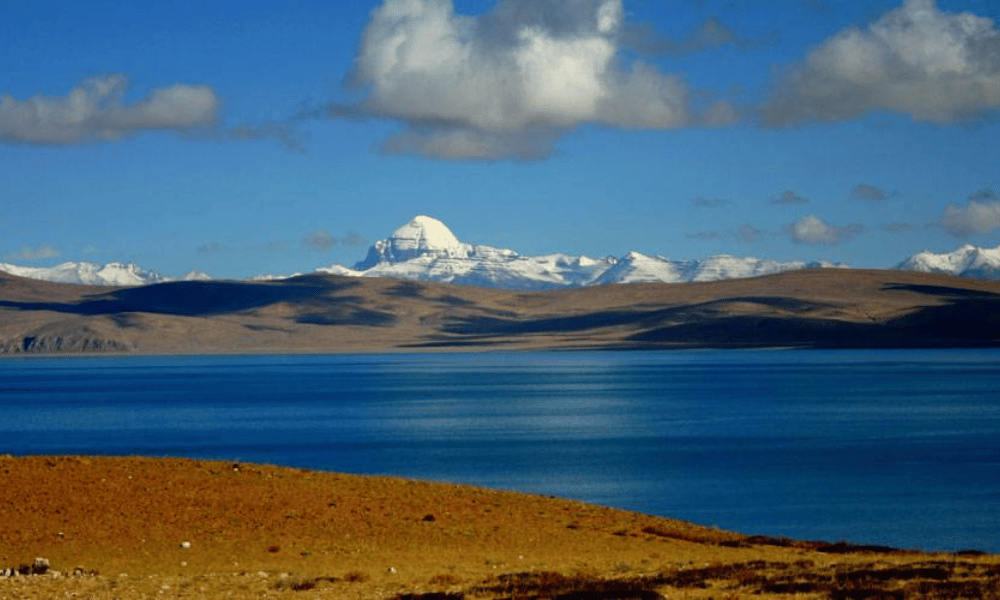
Religious scholar Upendra Mishra explained that Mount Kailash is regarded in Hindu belief as the abode of Lord Shiva and Goddess Parvati, and is considered the spiritual center of the universe. Similarly, Lake Mansarovar is believed to have been created from the mind of Lord Brahma, making it a sacred site for purification and liberation from sins.
Devotees believe that bathing in the lake leads to spiritual cleansing and attainment of salvation. In Buddhism, the region is considered a powerful site for meditation and spiritual energy, while Jain traditions associate it with the enlightenment of their first Tirthankara, Rishabhadeva.
Rasuwagadhi–Kerung Route Offers Shortest Access
The Rasuwagadhi–Kerung route remains the shortest and most convenient overland pathway from Nepal to Mansarovar. The distance from Kathmandu to Rasuwagadhi is approximately 135 kilometers, while Rasuwagadhi to Kerung is around 25 kilometers.
From Kerung, the journey continues through Saga to Mansarovar, covering nearly 750 to 800 kilometers of high-altitude terrain. Pilgrims typically reach Mansarovar within three to four days after entering Tibet, while the full Kailash–Mansarovar circuit takes 10 to 14 days, depending on weather and travel conditions.
Increase in Border Pass Distribution
The issuance of border identity passes for local residents has also seen a rise. In the first nine months of the current fiscal year, a total of 6,295 border passes were issued, including 596 new, renewed, and duplicate documents, according to Immigration Office records.
Eligibility for border passes is granted to Rasuwagadhi residents based on citizenship, while migrants from other districts must provide land ownership certificates, migration documents, and recommendations from local ward offices.

Boost to Local Economy and Tourism Activity
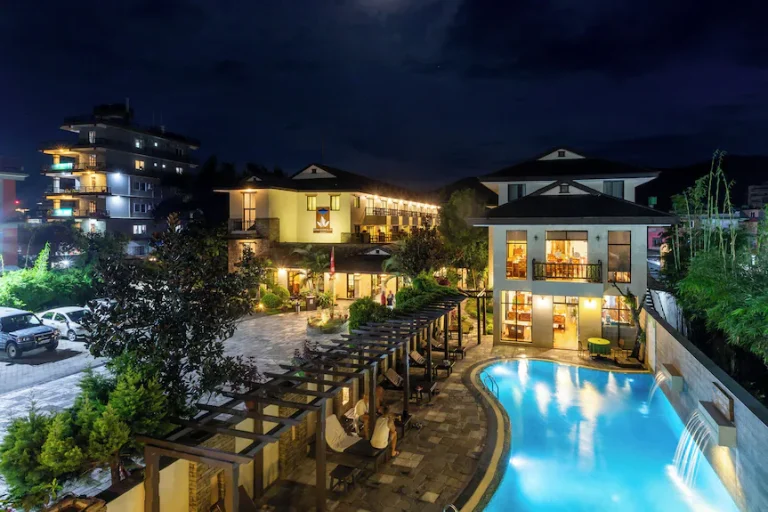
The increasing flow of pilgrims has positively impacted local economies along the Rasuwagadhi border region. Hotels, transport services, guides, and small businesses have seen rising demand during the pilgrimage season. Local authorities expect that the expansion of religious tourism will further stimulate economic activity in border settlements and nearby areas.
Growing Importance of Nepal–China Border in Religious Tourism
Officials note that as pilgrimage activity to Mansarovar gains momentum, the Nepal–China border region is emerging as an important hub for spiritual tourism. Gosaikunda Rural Municipality Ward No. 2 Chair Kami Chhiring Tamang stated that the revival of Mansarovar pilgrimage has strengthened the region’s identity as a key gateway for religious travelers, enhancing Nepal’s role in facilitating Himalayan spiritual tourism.