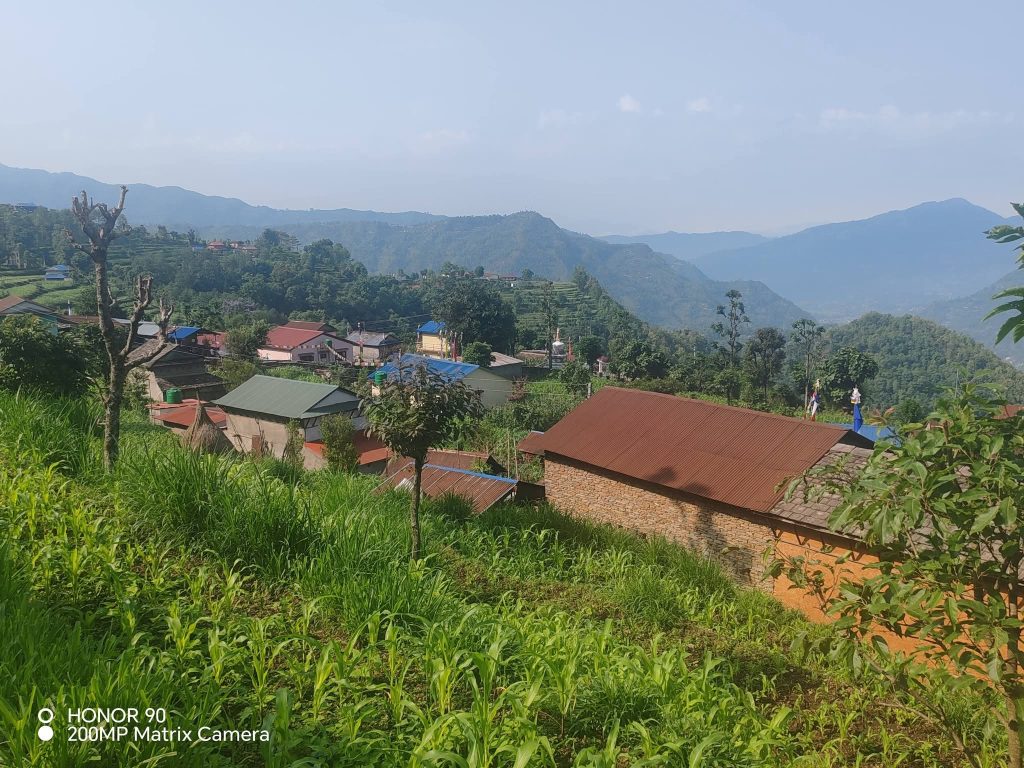
Nestled in the hills of Lamjung district in Gandaki Province, Shree Manjang, previously known as Shree Bhanjyang, is gradually gaining recognition as one of Nepal’s promising rural tourism destinations. Located at an altitude of around 2,012 meters above sea level, the peaceful Himalayan village offers breathtaking mountain views, rich Gurung culture, and immense potential for sustainable tourism development.
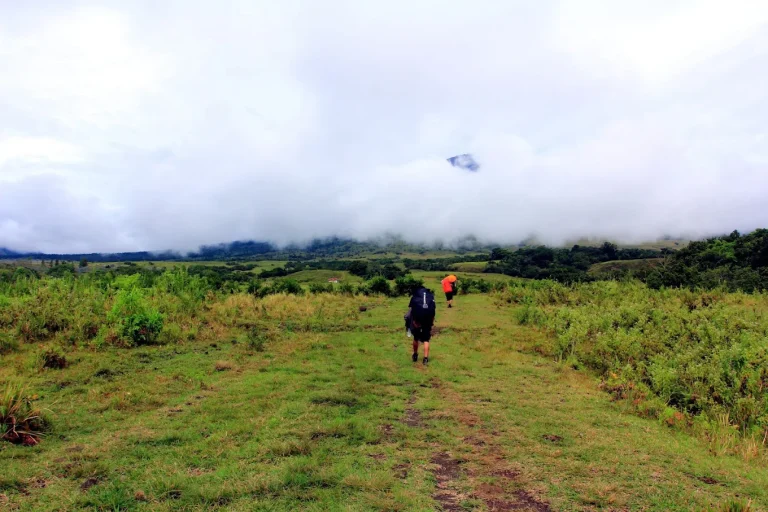
Surrounded by lush green forests and rolling hills, the village provides visitors with a rare opportunity to experience authentic rural life in the Himalayas. The area is especially known for its panoramic views of the Annapurna, Manaslu, and Lamjung Himalayan ranges, which attract both domestic and international travelers seeking tranquility away from crowded tourist hubs.
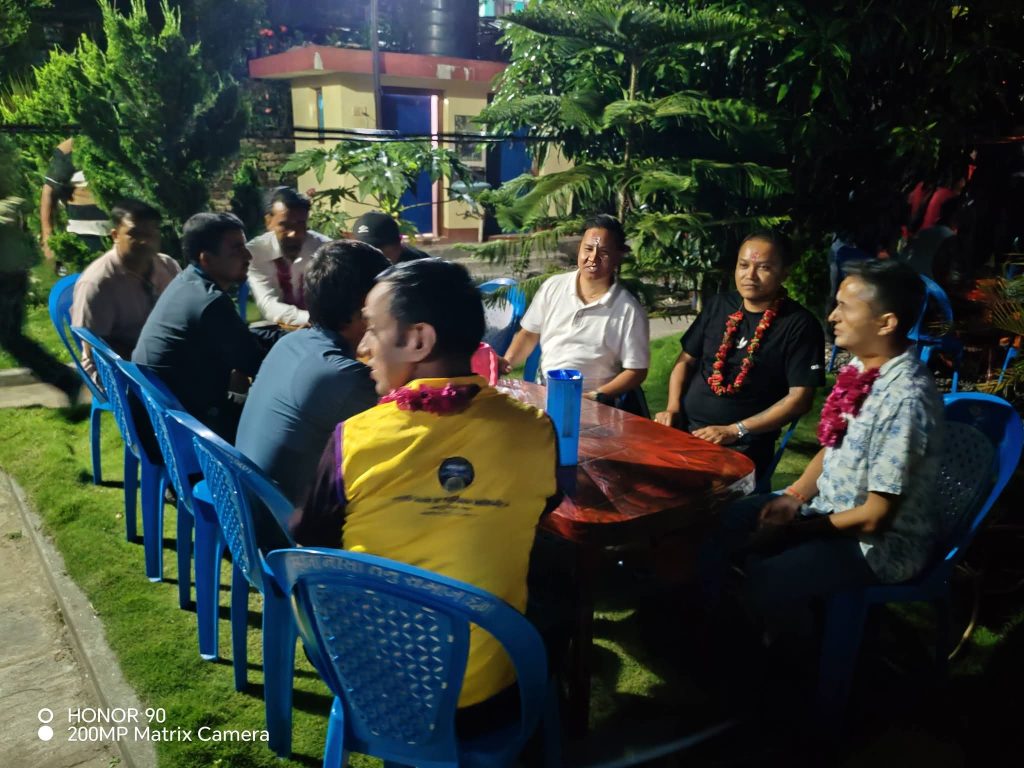
Locals and tourism stakeholders believe the village holds significant potential to become a major destination for rural tourism, homestay experiences, hiking, and cultural exploration if proper infrastructure and promotion are developed in the coming years.
Unique Blend of Nature and Gurung Culture
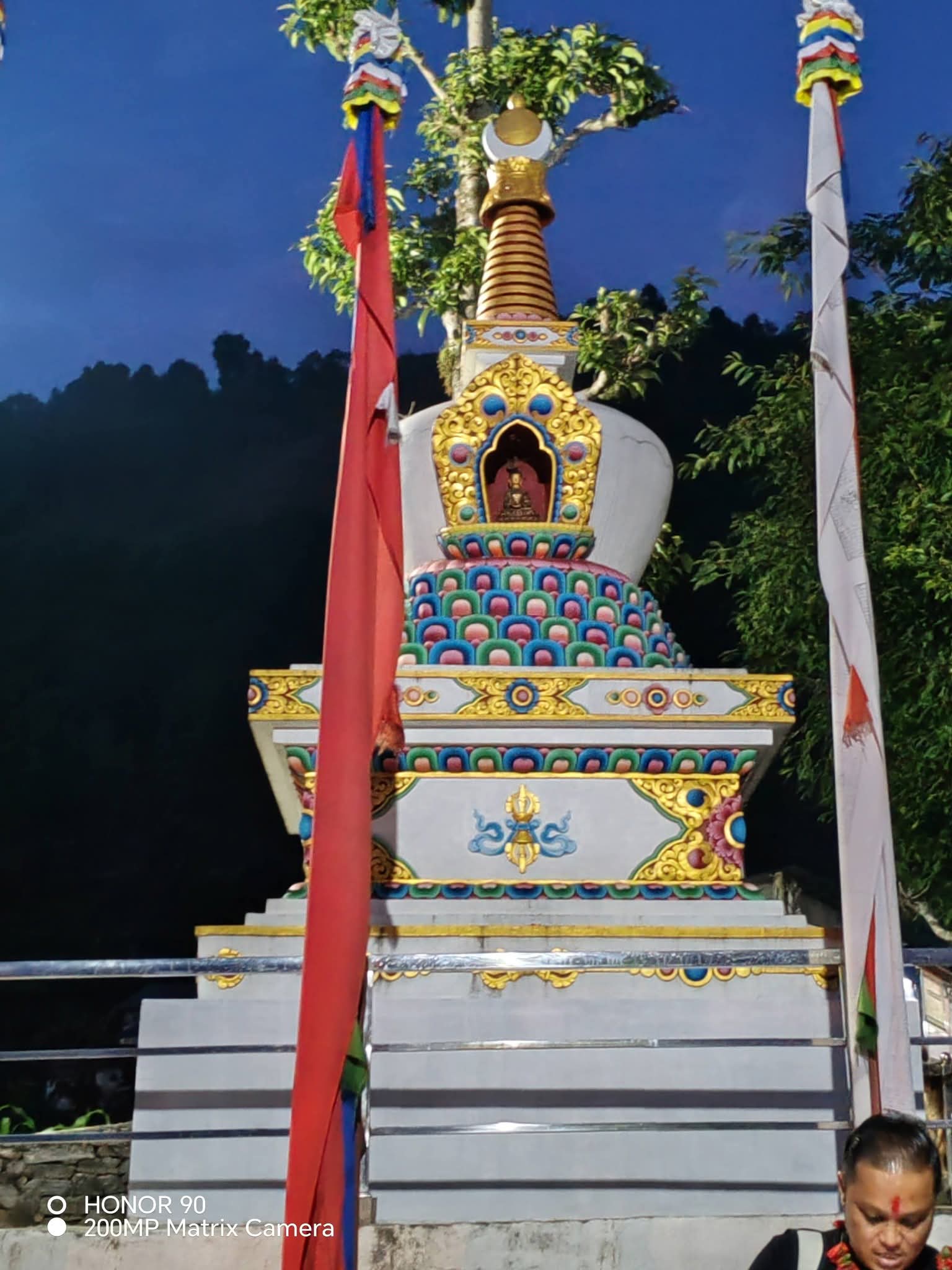
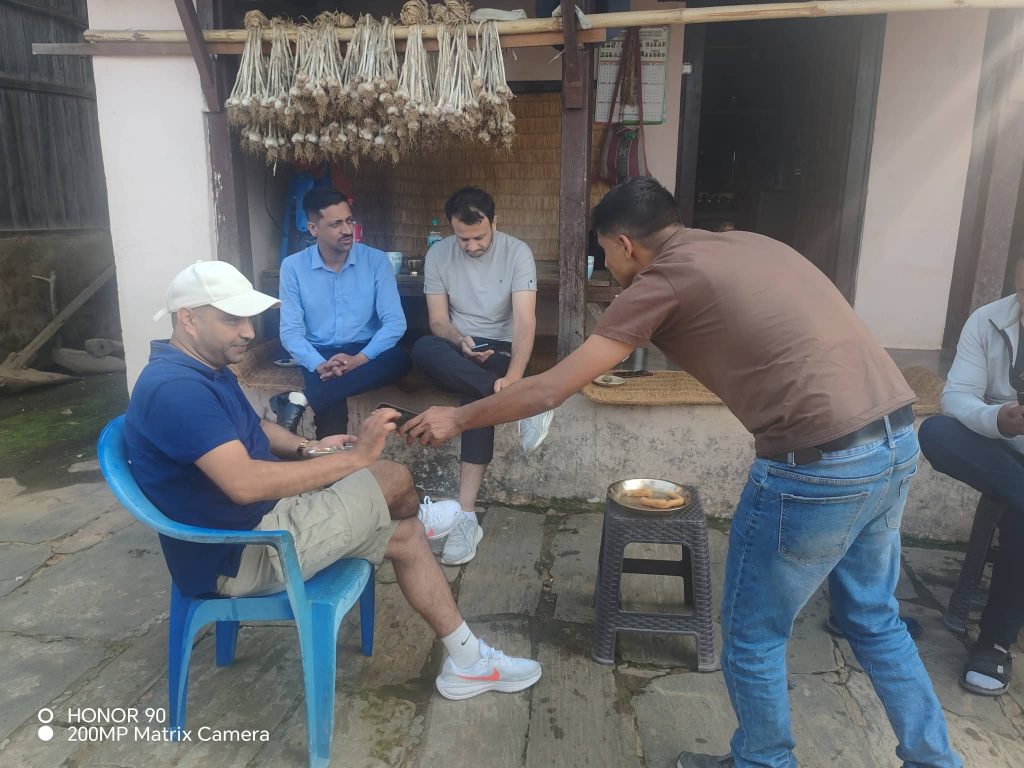
One of the key attractions of Shree Manjang is its well-preserved Gurung culture and traditional mountain lifestyle. Visitors to the village can enjoy local cuisine, traditional music and dance performances, and warm hospitality offered by local residents.
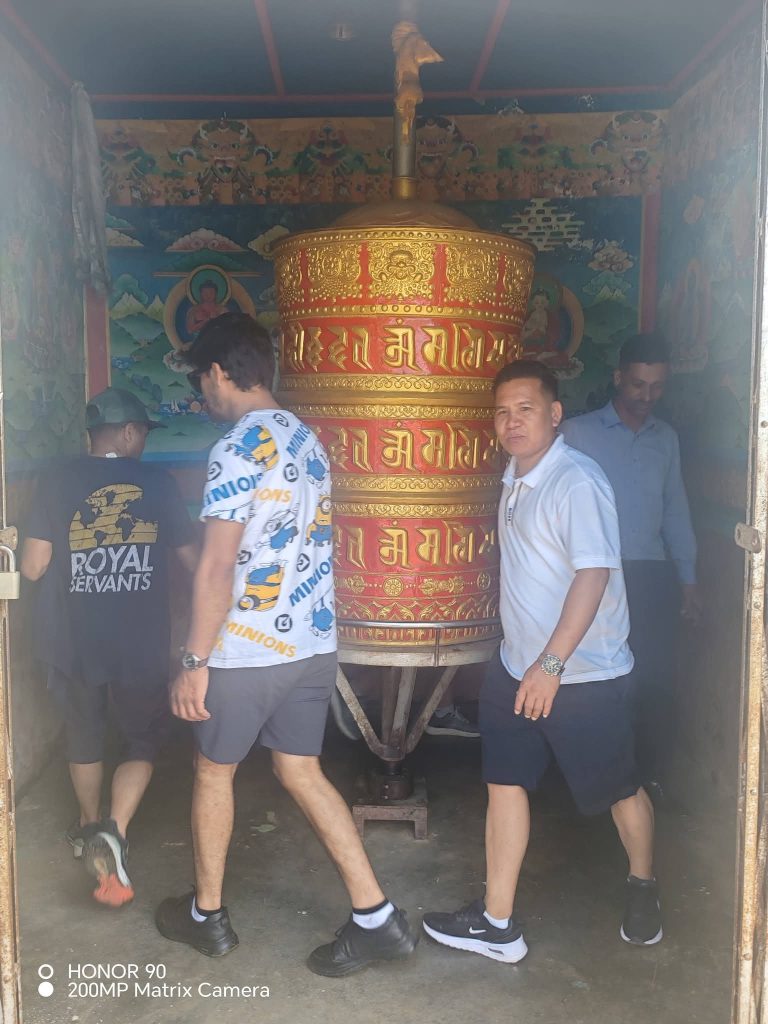
Tourism promoters say the authentic cultural experience distinguishes Shree Manjang from commercialized tourist destinations. The village’s peaceful atmosphere, combined with traditional stone houses and scenic landscapes, creates an ideal setting for travelers seeking cultural immersion and nature-based tourism.
The sunrise and sunset views from the village are considered particularly mesmerizing. During clear weather, the golden reflection of sunlight over the Himalayan peaks offers stunning scenery for photographers, hikers, and nature enthusiasts.
Potential Hub for Trekking and Adventure Tourism
Tourism entrepreneurs have also highlighted the area’s strong potential for trekking and adventure tourism. Shree Manjang could be connected with nearby tourism destinations such as Ghalegaun, Bhujung, and Pasgaun to create new trekking circuits within the Annapurna region.
Local stakeholders say tourism networks linking these villages could diversify tourism activities in Lamjung while extending visitor stays in the region.
Adventure tourism routes including Lipe Hill, Mame Pokhari, the Buddha Himal Circuit Trek, and the Manaslu Circuit Trek could also be integrated into broader trekking packages, making the area more attractive to both domestic and foreign trekkers.
The village’s unspoiled environment and relatively unexplored trails are viewed as major advantages at a time when travelers are increasingly seeking quieter and eco-friendly destinations.
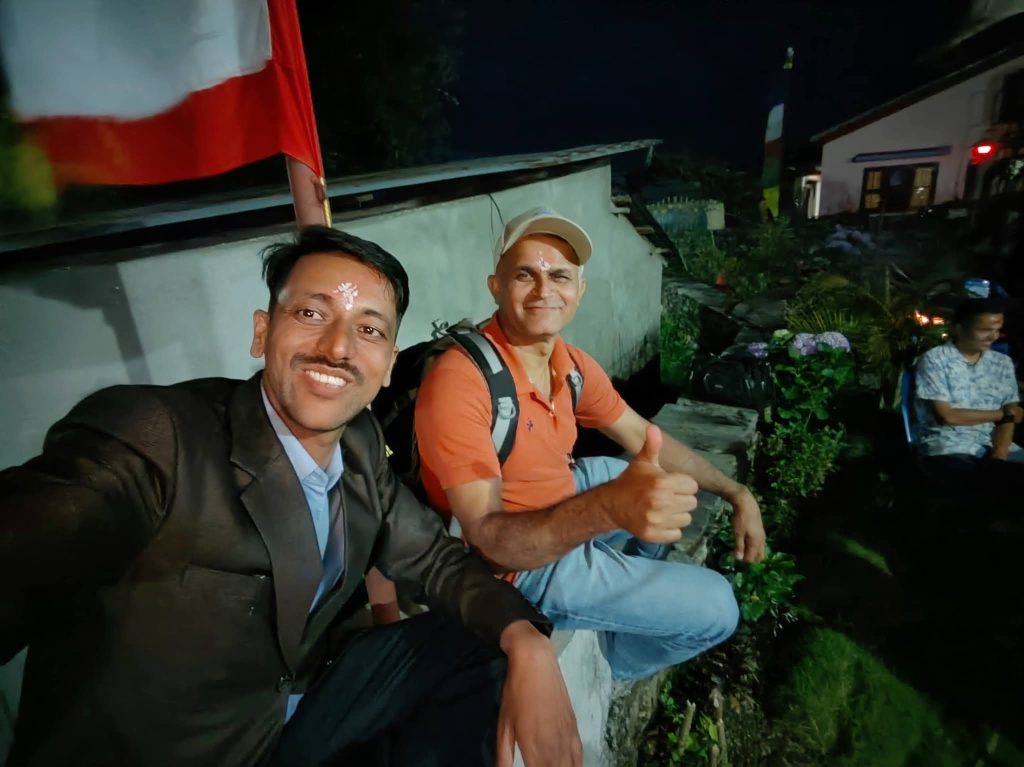
President of the Trekking Agencies’ Association of Nepal (TAAN) Gandaki Krishna Prasad Acharya said Shree Manjang possesses strong potential to emerge as an attractive rural tourism destination if tourism infrastructure and promotion are developed in a sustainable manner.
“Shree Manjang has immense possibilities for rural tourism, trekking, and cultural experiences. With proper road access, quality homestay management, and coordinated promotion, the village can attract both domestic and international tourists in the future,” Acharya said. He also emphasized the importance of preserving local culture and natural resources while expanding tourism activities in the area.
Opportunities for Wellness and Sustainable Tourism
Beyond trekking and sightseeing, Shree Manjang is considered highly suitable for wellness tourism activities such as yoga, meditation, photography, birdwatching, and short hiking excursions.
The clean air, pollution-free surroundings, and natural serenity provide an ideal environment for spiritual retreats and relaxation programs. Tourism experts believe the village could attract visitors interested in mindfulness and nature therapy if proper tourism products are developed.
Locals also see tourism as an opportunity to strengthen the village economy by connecting agriculture, livestock farming, and local handicrafts with visitor experiences. Community-based tourism and homestay programs could create employment opportunities while helping preserve local traditions and cultural heritage.
Need for Infrastructure and Promotion
Despite its enormous tourism potential, local residents say the village still requires better road connectivity, tourism infrastructure, and organized promotion to attract larger numbers of visitors.
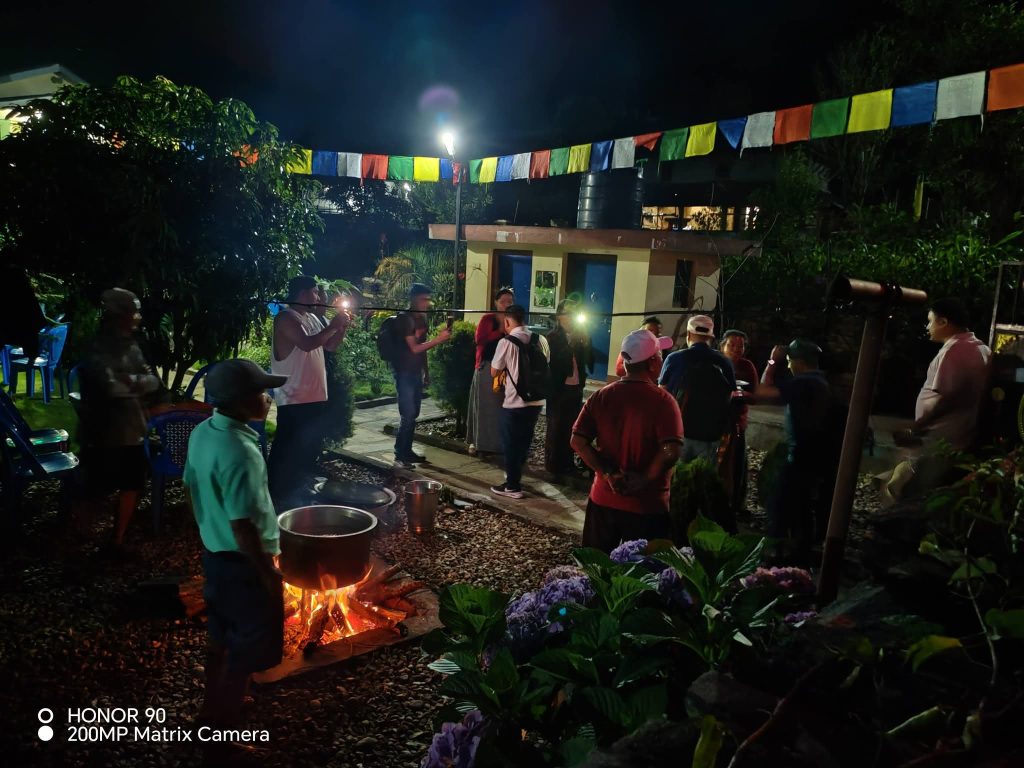
Stakeholders have stressed the importance of improving homestay management, developing basic tourist facilities, and conducting effective marketing campaigns to establish Shree Manjang as a recognized tourism destination in Nepal.
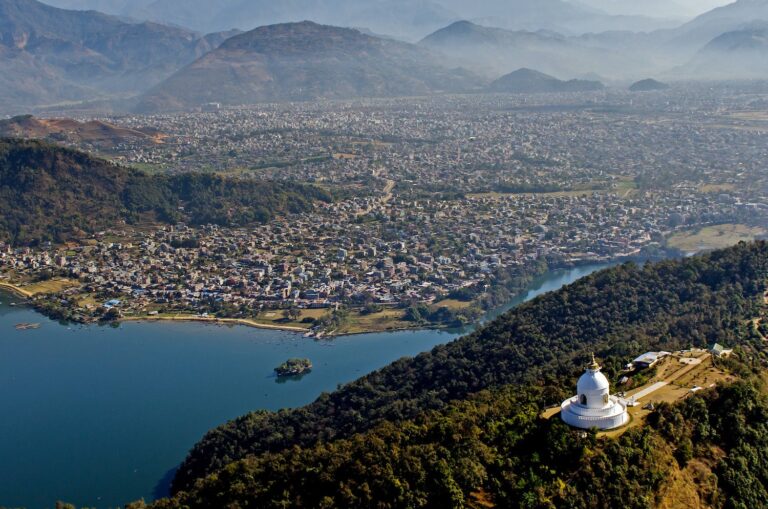
The village’s accessibility from Pokhara is viewed as another major advantage. Tourism entrepreneurs believe easier access from Pokhara could significantly boost visitor arrivals in the future.