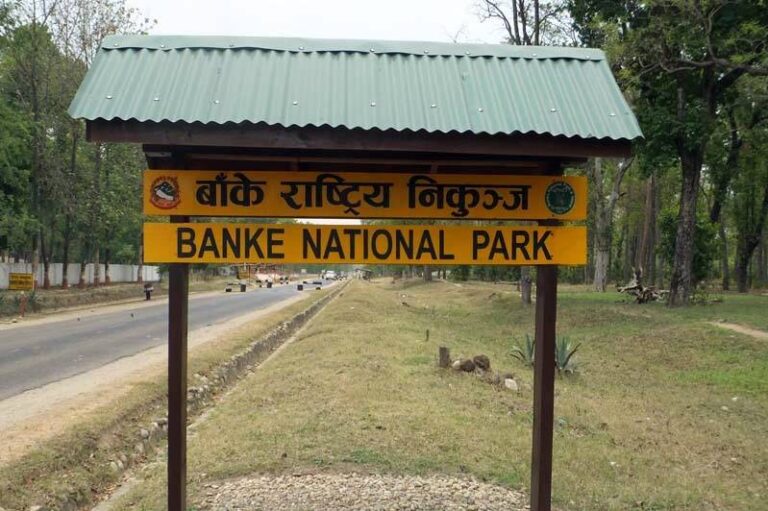
Banke National Park is set to undergo a coordinated tourism branding and promotional campaign as authorities and local stakeholders seek to establish the protected area as a stronger wildlife and safari destination in western Nepal. The initiative is being taken in response to growing interest in the park and the increasing number of visitors using its safari facilities, with authorities now focusing on bringing greater visibility to the destination.
Nepalgunj Sub-Metropolitan City, the other local levels in the district and various government, conservation and community organizations are expected to work together to promote the park. The strategy is aimed not only at attracting more visitors but also at connecting the national park with the wider tourism economy of Nepalgunj, Kohalpur and surrounding communities, where hotels, homestays, transport services and other tourism-related businesses can benefit from a larger flow of visitors.
Authorities move to give Banke National Park a stronger tourism identity
The decision to intensify promotion of Banke National Park was taken during a stakeholder coordination meeting held in Kohalpur on Tuesday, reflecting a growing recognition that the park needs a more visible identity in Nepal’s tourism market. Birendra Prasad Kandel, senior conservation officer at Banke National Park, said the promotional campaign would be carried out in coordination with Nepalgunj Sub-Metropolitan City, all eight local levels and other concerned stakeholders.

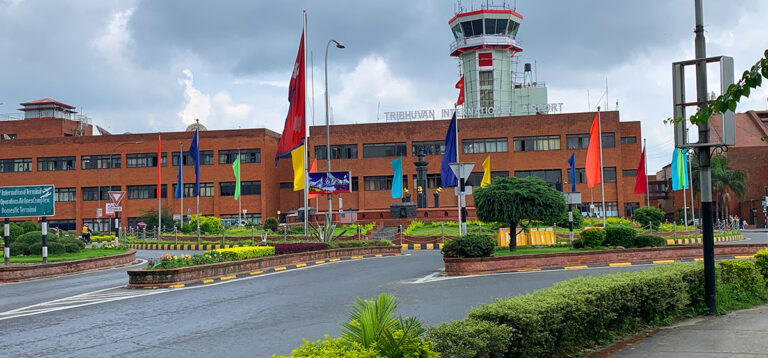
Under the plan, large hoarding boards and information boards will be installed at Duduwa border point, Ranjha Chowk, Nepalgunj Airport and Kohalpur Chauraha, four strategically important locations through which large numbers of travelers enter or pass through the region. The move is intended to ensure that visitors arriving by air, travelling by road or entering the district through the southern border are made aware of the park’s tourism opportunities. Rather than treating promotion as the responsibility of the park office alone, the stakeholders are seeking to create a common promotional effort that links the protected area with the broader tourism infrastructure and services available across the district.
Visitor numbers are giving fresh momentum to safari tourism
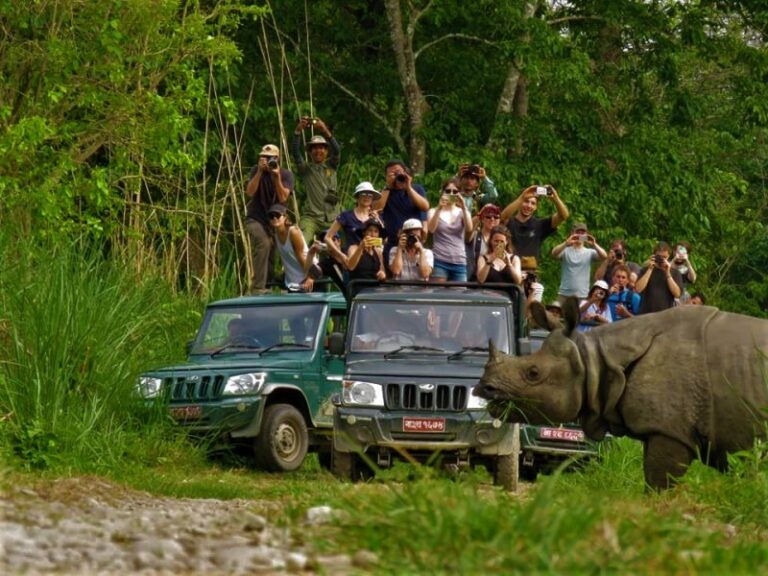
The branding campaign comes as safari tourism in Banke National Park has recorded a sharp increase, providing authorities with a strong reason to invest more heavily in promotion. Kandel said the number of tourists visiting the park for safari during the previous fiscal year was more than three times higher than in the preceding fiscal year. Although the report does not provide the absolute number of visitors, the reported increase indicates a significant expansion in demand for the park’s wildlife experiences.
The growth is particularly important for a relatively young national park that has been working to establish itself as a tourism destination alongside its primary conservation responsibilities. Nepal’s official tourism information describes Banke as a 550 square kilometer national park with ecosystems ranging from Sal forests and mixed hardwood forests to grasslands, Bhabar and the foothills of the Chure range. The Nepal Tourism Board also identifies homestays and jungle safari among the activities available in the park, reinforcing its potential as a wildlife-based tourism destination.
Existing infrastructure is being positioned to support more tourists
Park authorities say Banke National Park has already developed much of the infrastructure needed to support tourism and is prepared for safari operations, shifting the immediate priority toward attracting visitors and improving destination visibility. According to Kandel, the park has adequate grasslands, artificial lakes, viewing towers and forest trails, all of which can support wildlife observation and outdoor tourism. These facilities are important because safari tourism depends not simply on the presence of wildlife but also on the availability of managed routes, observation points and visitor infrastructure that allow tourists to experience the landscape while minimizing disturbance to sensitive habitats.
The park’s management planning documents also recognize tourism as an area with considerable growth potential and identify activities including homestays, jeep safari, elephant safari and Churia hiking. The same planning document notes that the park has yet to fully establish itself as a major tourism destination despite increasing visitor numbers, suggesting that the new branding campaign is intended to bridge the gap between the park’s tourism potential and its current level of recognition.
The park offers more than a conventional jungle safari
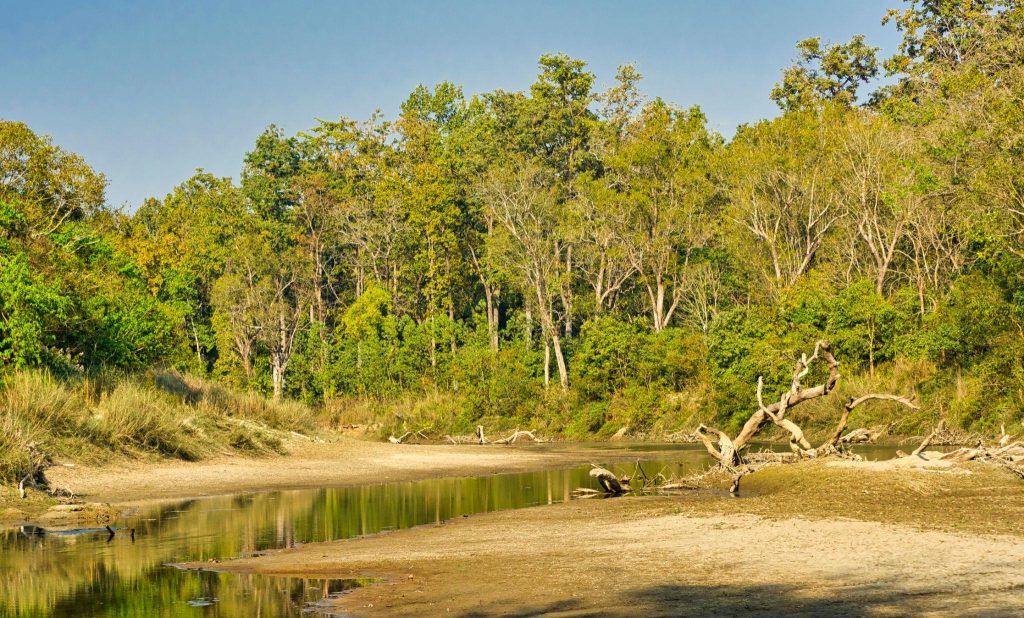
Banke’s tourism appeal is not limited to the possibility of seeing wildlife during a safari. Visitors can also use walking trails, elephant safari facilities, homestays and water-based activities on the Rapti River, creating opportunities for a broader nature-based tourism experience. The combination of forest, grassland, river and wetland environments gives the destination a diverse landscape in which visitors can spend time beyond a single safari activity.
The park’s location also strengthens its potential as part of a wider western Nepal itinerary, particularly for visitors travelling through Nepalgunj and Kohalpur. Official tourism information identifies Banke as a protected area connected toward the west with Bardia National Park, while its ecosystems include mixed hardwood and Sal forests, Bhabar and Chure foothills. This ecological diversity, combined with wildlife viewing and community-based accommodation, provides the foundation for developing a destination that can appeal to visitors interested in wildlife, photography, birdwatching, outdoor recreation and local experiences.
Nepalgunj Airport and major road junctions become key promotional gateways
The decision to install promotional boards at Nepalgunj Airport and Kohalpur Chauraha is particularly significant because the two locations can function as gateways through which tourists are introduced to the park. Nepal Tourism Board information states that the park’s headquarters can be reached from Nepalgunj in approximately one hour by road, making the city an important access point for visitors.
Kohalpur, meanwhile, is a major road junction and an important urban center in the region, providing another natural point from which visitors can access the park. By placing tourism information where travelers are already making transportation and itinerary decisions, authorities can promote Banke as an experience to be added to their journey rather than relying on visitors to independently search for information about the park. The campaign could therefore be particularly useful for domestic travelers who may be travelling through the region for business, family visits or other purposes and could be encouraged to extend their trip with a wildlife excursion.
Coordination among local governments is central to the plan
The tourism campaign is also intended to improve cooperation between Kohalpur Municipality, Banke National Park, the Nepal Army and other concerned agencies. Such coordination is important because tourism around a protected area involves responsibilities that extend beyond the park’s boundaries. Visitors require transport, accommodation, food, information, guiding services and other facilities, while conservation authorities must ensure that tourism activities remain compatible with wildlife protection.
Kohalpur Mayor Purna Prasad Acharya said the municipality was positive about linking conservation with tourism promotion and local development and had already been conducting awareness activities in cooperation with the park office. He also expressed the municipality’s willingness to support further promotional efforts. This approach indicates that local authorities increasingly see the national park not only as a conservation asset but also as an economic opportunity that can contribute to local businesses and employment if tourism is planned and managed responsibly.
Tourism growth could create wider benefits for surrounding communities
The expansion of wildlife tourism has the potential to generate economic activity well beyond the boundaries of Banke National Park. Tourists visiting for safaris require accommodation, transportation, meals, guides and other services, creating opportunities for businesses in Nepalgunj, Kohalpur and communities around the park. Community homestays can play a particularly important role because they allow tourism spending to reach households and local communities directly.
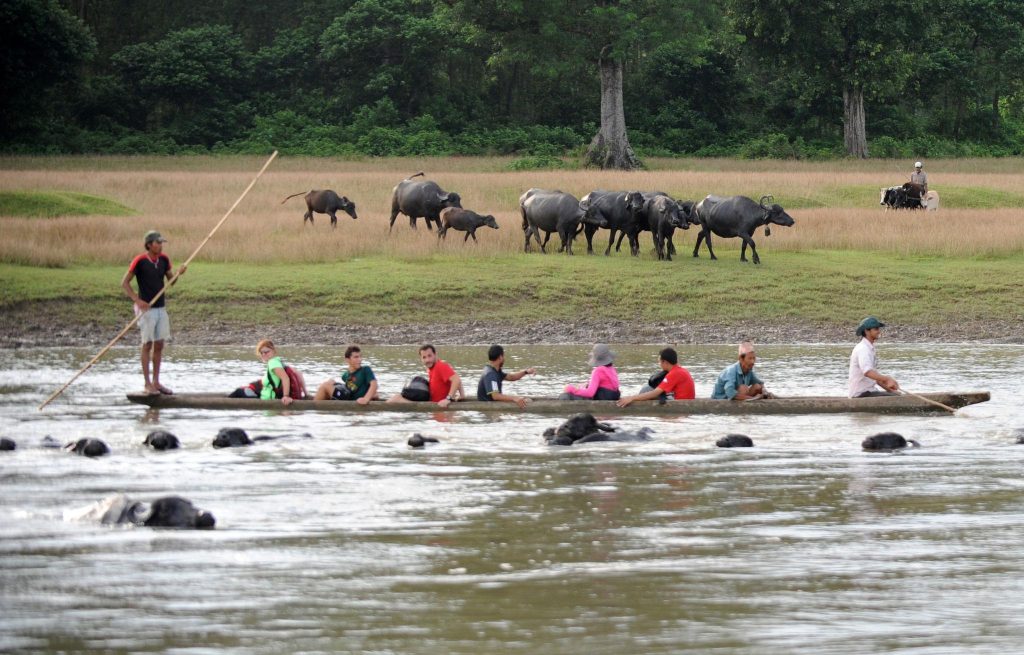
The park’s management plan identifies four existing homestays around the park with a combined capacity of 143 people across 77 rooms, including Gabar Valley Homestay, Khadakwar Namuna Community Homestay, Balapur Community Homestay and Mini Valley Community Homestay. It also identifies several other areas with potential for additional homestay development. This suggests that accommodation based in local communities could become an increasingly important part of the park’s tourism system as visitor numbers rise.
Hotels and homestays are preparing for increased visitor demand
Tourism businesses in the surrounding urban and rural areas are already responding to the growth in visitors. Krishna Chaudhary, chairman of Gavar Valley Community Homestay, said hotels in Nepalgunj and Kohalpur and homestays around the park have been operating to accommodate tourists visiting the destination. The availability of different types of accommodation gives visitors greater flexibility and could encourage them to stay longer in the region.
The park’s management plan notes that hotels are available in Nepalgunj and Kohalpur, while homestays have been established around the park to provide accommodation and food. This network is particularly important for wildlife tourism because visitors often begin activities early in the morning and may prefer accommodation that can arrange transport, meals and safari-related services. As the branding campaign brings greater attention to the park, strengthening the quality and capacity of these supporting services will become increasingly important to ensuring that higher visitor numbers translate into a better tourism experience and greater local economic returns.
Conservation remains the foundation of Banke’s tourism appeal
The expansion of tourism is taking place within a protected area whose fundamental purpose remains wildlife and habitat conservation. Banke National Park was established in 2010, and authorities have emphasised the conservation of tiger habitat and biological corridors as key objectives. The park forms part of a broader wildlife landscape in western Nepal and is connected to the west with Bardia National Park, increasing its importance for large wildlife and habitat connectivity.
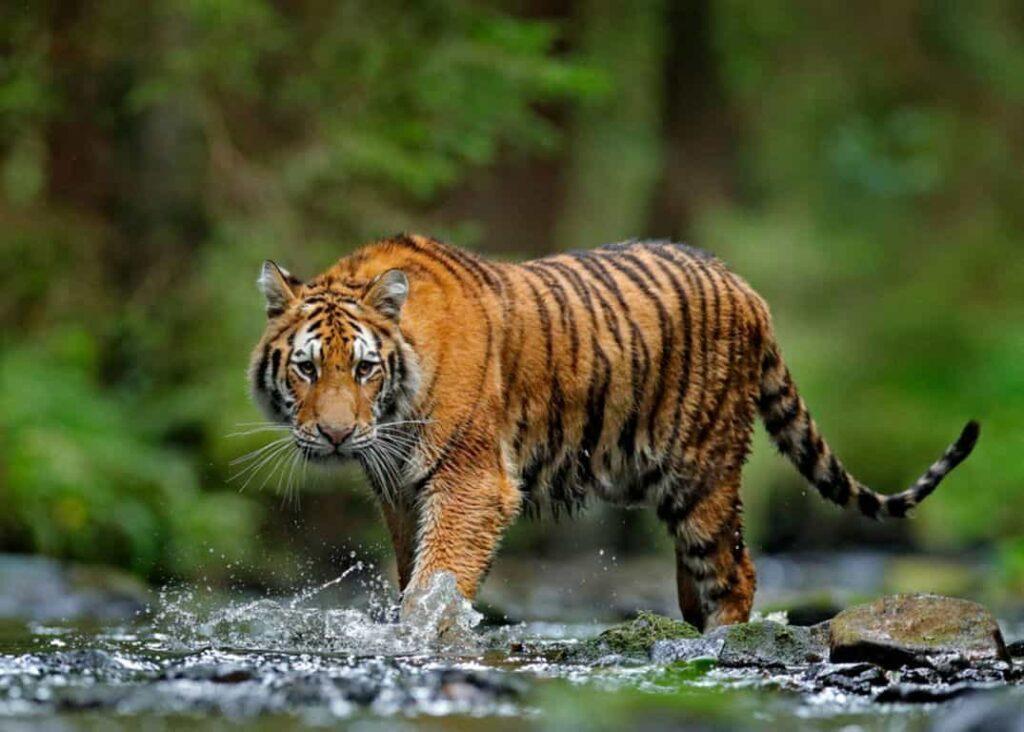
The Nepal Tourism Board identifies tiger, striped hyena and four-horned antelope among the protected species found in Banke, while other sources describe the park as an important habitat for wildlife including tigers and elephants. This conservation value is also what gives the park its tourism appeal: visitors are attracted by the opportunity to experience wildlife in its natural environment. Consequently, tourism promotion will need to remain closely linked with conservation management so that increased visitation does not compromise the habitats and ecological systems that the tourism industry depends upon.
Conservation groups and community organizations are supporting the effort
The promotion of Banke National Park is being supported by a broader network of organisations working in conservation, community development and tourism. The Banke National Park Office, Zoological Society of London (ZSL), INRUDEC and the Federation of Community Forest Users Nepal, among others, are involved in activities connected with the park. Their participation is significant because successful protected-area tourism requires cooperation between government agencies, conservation organizations, local communities and tourism businesses.
Conservation organizations can contribute technical knowledge and awareness programs, while community groups can help connect tourism with local livelihoods and encourage residents to participate in protecting the surrounding environment. A coordinated approach can also help ensure that tourism development is not separated from the park’s conservation objectives. Instead, the intention is to create a model in which visitors generate economic value while the natural resources that attract them remain protected for the long term.
Banke still has room to establish itself as a major wildlife destination
Despite the recent increase in safari visitors, Banke National Park has not yet achieved the same level of recognition as some of Nepal’s more established wildlife tourism destinations. The park’s own management plan states that it is yet to establish itself as a major tourist destination and that only limited interventions had previously been made for tourism promotion. It also identifies significant potential beyond the tourism activities already operating in the area.
This makes the current branding initiative particularly important: the authorities are not starting from zero, because the park already possesses tourism infrastructure and a growing visitor base, but they are attempting to build a stronger and more recognizable destination identity. The challenge will be to turn rising visitor numbers into sustained tourism growth by combining promotion with improved visitor services, reliable access, accommodation, guiding, interpretation and responsible wildlife tourism practices.
A stronger tourism brand could benefit western Nepal
The branding campaign could ultimately help diversify Nepal’s wildlife tourism market and bring greater attention to western Nepal’s tourism potential. Nepal’s best-known wildlife destinations have traditionally attracted large numbers of visitors, but Banke offers a different setting within the western Terai and can potentially be combined with tourism in Nepalgunj, Bardia and other destinations in the region. Its relatively strategic location, access from Nepalgunj and proximity to major transport routes allow it to become part of broader regional itineraries.
Greater visibility could also help attract tourists who are specifically interested in quieter wildlife experiences, nature photography, birdwatching and community-based tourism. The park’s diverse ecosystems and wildlife provide a strong resource base, while the development of homestays and other local services creates the possibility of spreading tourism income beyond major hotels and urban centers.
The next challenge is turning promotion into sustainable growth
The new campaign marks an important step for Banke National Park, but the success of the initiative will ultimately depend on what happens after the promotional boards are installed and visitor numbers increase. Effective branding can attract tourists, but sustainable tourism management is needed to retain them and ensure that their spending benefits local communities. Authorities will need to maintain tourism infrastructure, improve visitor information, strengthen coordination among agencies, and ensure that safari and other activities operate within conservation limits.

The increasing number of visitors provides an encouraging foundation, but uncontrolled growth could create pressure on wildlife habitats if it is not properly managed. For Banke, therefore, the objective is not simply to attract the largest possible number of tourists; it is to develop a tourism model in which wildlife conservation, visitor experience and local economic development reinforce one another.
Banke prepares to turn its wildlife assets into a stronger tourism economy
With rising safari visitation, expanding tourism infrastructure, community homestays and a new coordinated branding campaign, Banke National Park is entering an important stage in its development as a tourism destination. Authorities are now attempting to convert the park’s existing natural and tourism assets into a stronger and more recognizable brand capable of attracting visitors from across Nepal and abroad.
The involvement of local governments, conservation organizations, community groups and tourism businesses gives the campaign a broader base than a park-level promotional effort alone. If the initiative succeeds in increasing awareness while maintaining strong conservation standards, Banke could emerge as a more significant component of Nepal’s wildlife tourism circuit. For the communities surrounding the park, that could mean more visitors, longer stays, greater demand for local services and new economic opportunities, while for the park itself, the greater challenge will remain ensuring that tourism growth strengthens rather than weakens the conservation of the wildlife and habitats at the heart of Banke’s appeal.