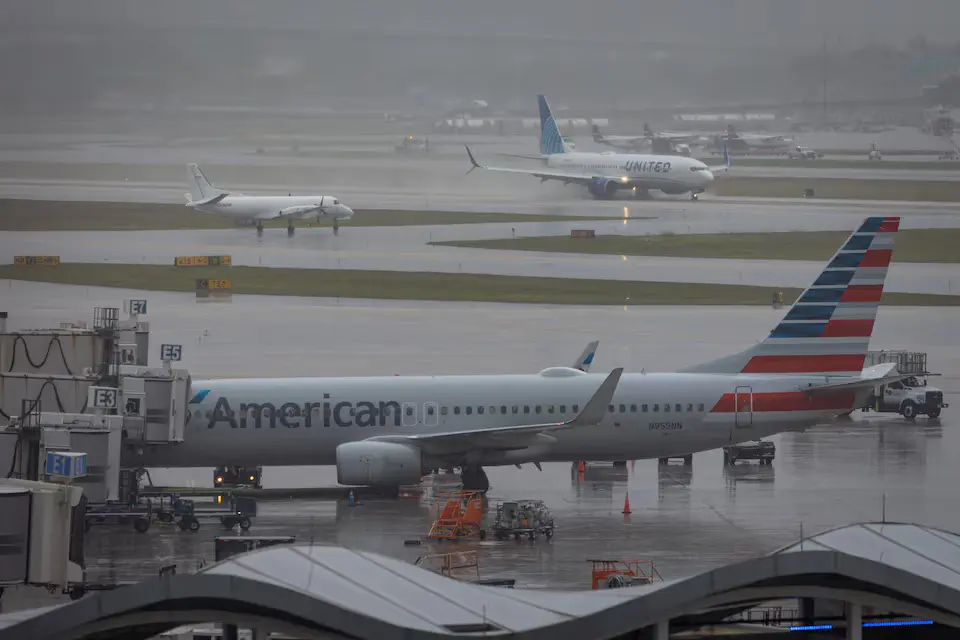
A sustained surge in fuel prices is creating a growing divide within the U.S. airline industry, allowing financially stronger carriers to expand investments while forcing weaker airlines to focus on cost-cutting measures.
Industry leaders speaking at the annual meeting of the International Air Transport Association in Rio de Janeiro warned that the current fuel price environment is accelerating a structural shift in the aviation sector. Analysts believe the widening gap between well-capitalized airlines and financially constrained operators could take years to close.
The trend is increasingly influencing how airlines invest in services, technology, infrastructure, and network expansion, ultimately shaping the passenger experience and competitive dynamics across the industry.

Investment-Focused Airlines Strengthen Market Position
Major U.S. carriers with stronger balance sheets are continuing to invest in long-term growth strategies despite higher operating costs.
These investments include the introduction of upgraded business-class products, expansion of premium seating options, enhancement of airport lounges, and improvements in customer facilities. Airlines are also accelerating digital transformation initiatives, including personalized mobile applications, biometric boarding systems, and other technology-driven services designed to improve passenger convenience.
Industry experts say such investments are helping leading carriers attract high-value travelers while strengthening customer loyalty.
Financially Weaker Airlines Face Tough Choices
In contrast, airlines with limited financial flexibility are being forced to prioritize cost management and liquidity preservation.
As fuel expenses consume a larger share of operating budgets, many carriers are finding it increasingly difficult to maintain investment programs aimed at improving customer experience. Industry executives noted that every additional dollar spent on fuel reduces the resources available for cabin upgrades, technology enhancements, and service innovations.
This situation is prompting some airlines to scale back expansion plans and focus on core domestic operations rather than pursuing new international opportunities.
Network Expansion and Premium Services Becoming Key Differentiators
The disparity is particularly evident in route development and premium offerings.
Financially stronger airlines are continuing to expand profitable international networks and increase capacity in premium travel segments. At the same time, weaker competitors are concentrating on preserving profitability through more conservative growth strategies.
Executives from major U.S. carriers, including United Airlines, Southwest Airlines, and Alaska Airlines, indicated that scale, financial strength, and liquidity are becoming increasingly important competitive advantages in the current operating environment.
Concerns Over Long-Term Competitive Imbalance
Aviation analysts warn that the widening gap could create a self-reinforcing cycle within the industry.
Airlines that continue investing in product quality, premium services, and customer experience are likely to attract more lucrative travelers and generate stronger revenues. Those unable to match such investments risk losing market share, which could further weaken their ability to fund future improvements.
The result could be a more polarized airline industry where leading carriers continue to pull ahead while smaller or financially vulnerable operators struggle to remain competitive.

Industry Faces Transformational Period
As fuel prices remain volatile, industry observers expect the competitive landscape of U.S. aviation to undergo significant changes.
The current environment is rewarding airlines with strong financial foundations and the ability to invest through economic cycles. Meanwhile, carriers facing tighter financial constraints are being challenged to balance short-term survival with long-term competitiveness.
Analysts believe the decisions airlines make during this period will have lasting implications for market positioning, customer loyalty, and future growth. Even if fuel prices eventually stabilize, the product and investment gap emerging today could continue shaping the U.S. airline industry for years to come.