The 70th anniversary of the first successful ascent of Mount Manaslu, the world’s eighth-highest peak, was marked with a special ceremony in Kathmandu on Tuesday, where prominent climbers and institutions were honoured for their contributions to mountaineering, tourism promotion, and conservation efforts associated with the iconic Himalayan mountain.
The event was organized by the Chumanubri Rural Municipality to commemorate seven decades since the first ascent of Manaslu and to recognize individuals and organizations that have played a significant role in promoting the mountain and the broader Himalayan region.

Celebrating Seven Decades of Manaslu’s Mountaineering History
Standing at 8,163 metres above sea level, Mount Manaslu is Nepal’s seventh-highest mountain and the eighth-highest peak in the world. Revered for its challenging terrain and stunning natural beauty, Manaslu has emerged as one of the country’s most sought-after mountaineering destinations.
The mountain was first successfully summited on May 9, 1956, by Japanese climber Toshio Imanishi and Nepali climber Gyaltsen Norbu Sherpa. Their historic achievement marked the beginning of Manaslu’s place in global mountaineering history and paved the way for thousands of climbers to follow.
To honour this milestone, Chumanubri Rural Municipality had earlier organized a special Manaslu Day celebration on May 9 in the Manaslu region itself. Tuesday’s event in Kathmandu served as a continuation of those commemorations, highlighting the mountain’s enduring significance to Nepal’s tourism and mountaineering sectors.
Prominent Climbers and Organizations Recognised
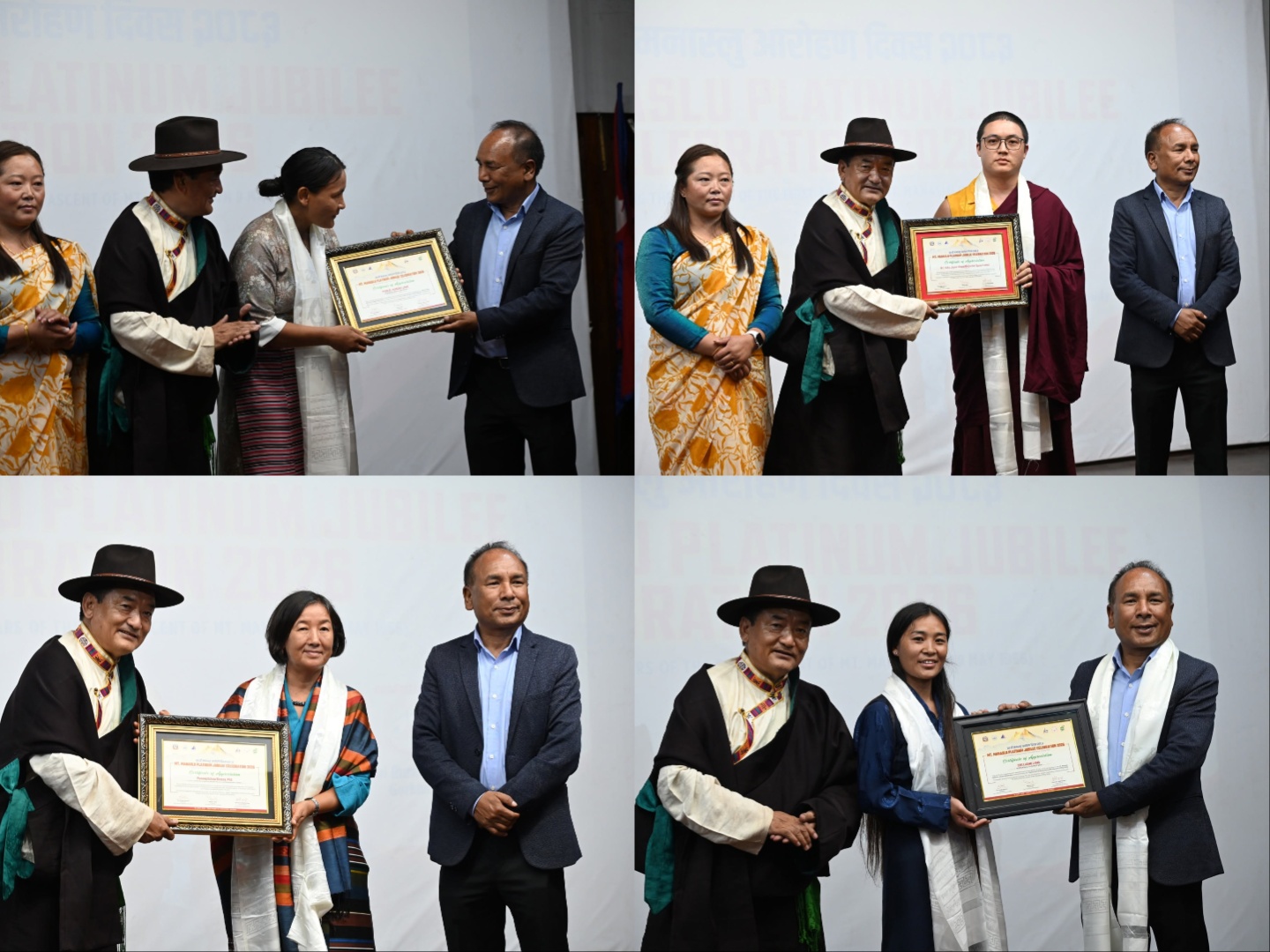
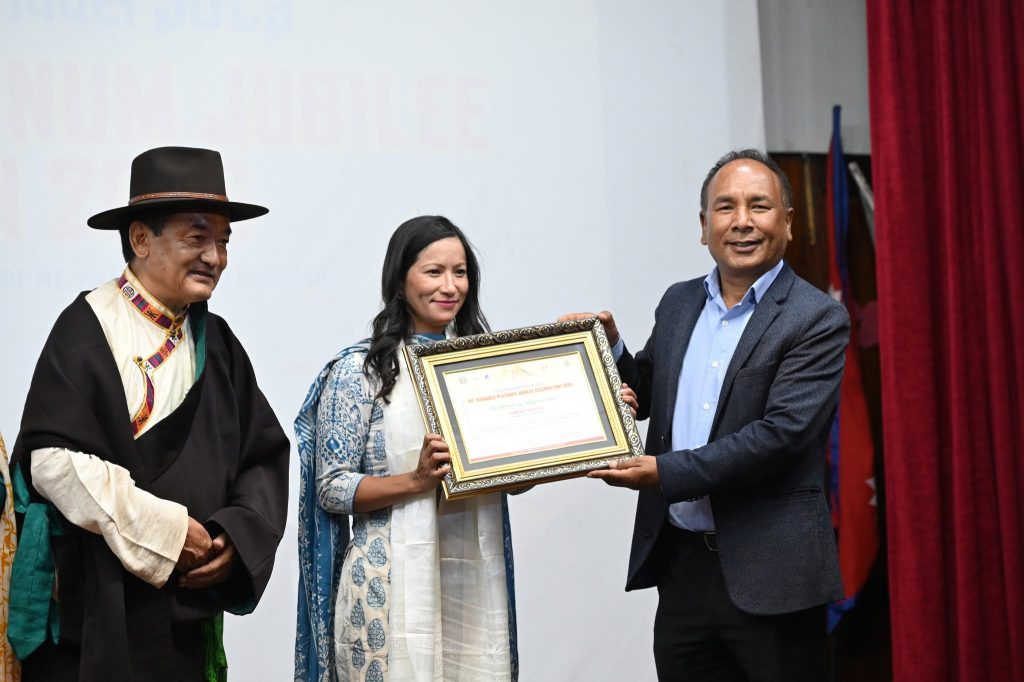
During the ceremony, several renowned climbers from Gorkha and across Nepal were honoured for their successful ascents of the mountain and their contributions to mountain tourism. Among those recognised were renowned mountaineers Phunjo Jhangmu Lama, Diki Lhamu Sherpa, Purnima Shrestha, Purna Bahadur Gurung, Yukta Gurung, Hari Bahadur Gurung, Ramesh Gurung, Nawaraj Gurung, Palzang Rinpoche, Sedar Rinpoche, and Lama Jigme.
Several institutions were also honoured for their longstanding contributions to conservation, tourism development, and mountain management. These included the Nepal Mountaineering Association, the National Trust for Nature Conservation, and the Manaslu Conservation Area Project.
Local Government Highlights Manaslu’s Growing Global Significance
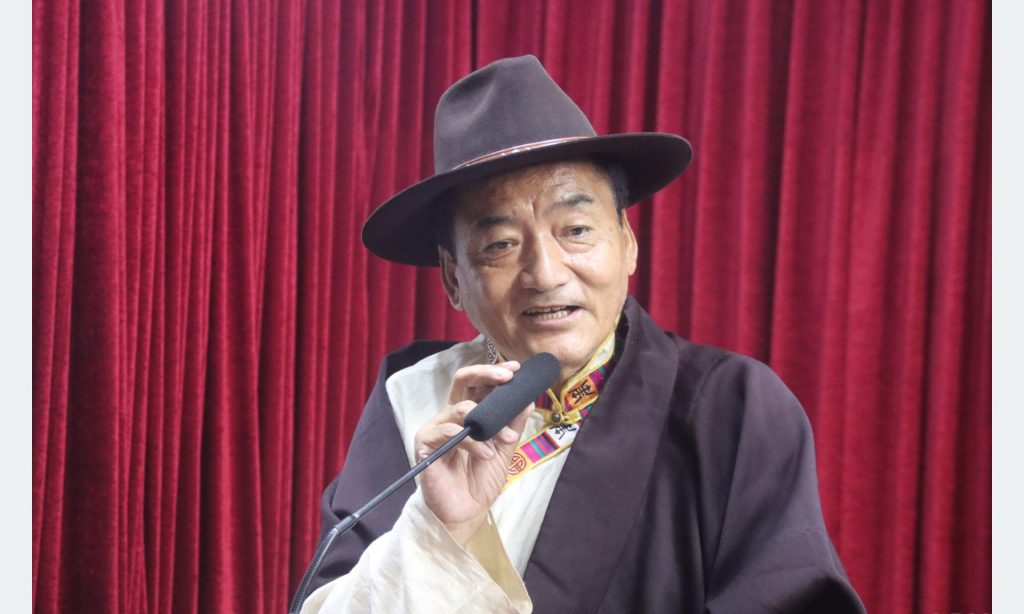
Speaking at the event, Chumanubri Rural Municipality Chairperson Nima Lama said the programme was aimed at recognising climbers and organizations that have contributed significantly to the promotion of Manaslu and the mountain tourism industry. He noted that climbing Manaslu requires exceptional determination, physical endurance, and technical skills, making it one of the most respected peaks among mountaineers worldwide.
According to Lama, a total of 3,742 domestic and international climbers have successfully summited Manaslu since the first ascent in 1956. He said the municipality remains committed to promoting sustainable mountain tourism while preserving the region’s natural and cultural heritage. “Manaslu is not only a mountain; it is a symbol of the identity, culture, and tourism potential of our region,” Lama said.
Honouring the Families of Historic First Ascenders
A major highlight of the programme was the unveiling of statues of the mountain’s first international summiteer, Toshio Imanishi, and the first Nepali climber to conquer Manaslu, Urkien Tshering Sherpa. Urkien Tshering Sherpa achieved the first successful Nepali ascent of Manaslu on April 22, 1973, becoming a pioneering figure in Nepal’s mountaineering history.
To commemorate their historic achievements, family members of both pioneering climbers were honoured during the event. Kunio Imanishi and Rasoyuke Imanishi, along with Chhiring Sherpa, were presented with certificates of appreciation and traditional khadas in recognition of their families’ lasting contribution to Himalayan mountaineering. The gesture symbolized Nepal’s gratitude toward the pioneering climbers whose achievements elevated Manaslu’s profile on the global mountaineering map.
Mountaineering Leaders Stress Sustainability and Climate Action
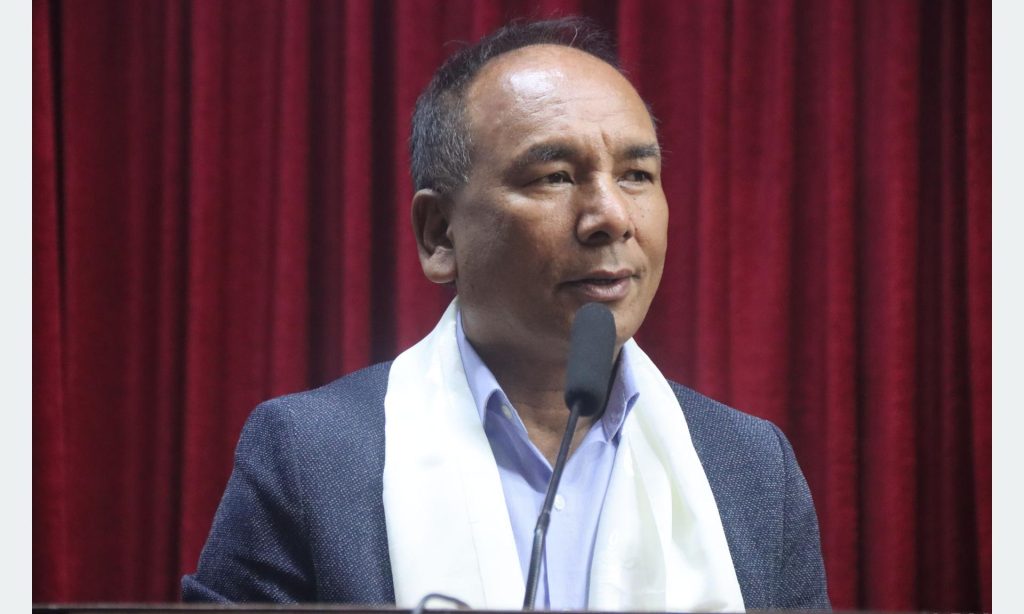
Addressing the gathering, Phur Gelje Sherpa highlighted the remarkable growth of mountain tourism in Gorkha over the past decade. He noted that the region has emerged as one of Nepal’s leading adventure tourism destinations and stressed the importance of continued collaboration between local communities, conservation agencies, and tourism stakeholders.
Record-holding Everest climber Phunjo Jhangmu Lama expressed concern about the growing impacts of climate change on Nepal’s mountain ecosystems. She warned that changing weather patterns, glacier retreat, and environmental degradation are becoming increasingly visible across the Himalayas and called for stronger conservation efforts to protect mountain environments for future generations.
Meanwhile, veteran climber Yukta Gurung urged local authorities to place greater emphasis on waste management and environmental protection in the Manaslu region. He stressed that maintaining the cleanliness and ecological integrity of the mountain is essential for ensuring sustainable tourism growth.

Preserving a Legacy for Future Generations
The event concluded with a collective commitment to preserving its mountaineering heritage while promoting responsible tourism and environmental conservation. As Nepal celebrates 70 years since the first ascent of Manaslu, stakeholders believe the mountain’s legacy extends far beyond mountaineering achievements.
It represents a unique blend of adventure, culture, community, and conservation that continues to inspire climbers and visitors from around the world. With growing international recognition and increasing visitor numbers, Manaslu remains one of Nepal’s most treasured mountain destinations, carrying forward a proud legacy built over seven decades of exploration, achievement, and resilience.