Nepal has officially listed six intangible cultural heritages in its national registry during the fiscal year 2081/82, marking a significant milestone that comes sixteen years after the country ratified the United Nations Convention for the Safeguarding of the Intangible Cultural Heritage.
A Long Journey Since Ratification
Nepal ratified the UNESCO Convention on Intangible Cultural Heritage on Ashadh 1, 2067 (mid-June 2010). Since then, efforts to formally document and preserve the country’s rich living traditions have been gradual but steady. When the government first called for applications in the initial year, as many as 105 submissions were registered at the ministry. From that first round, only one heritage made it onto the national list, Yomari, a traditional delicacy prepared by the Newar community of Lalitpur district. Yomari thus holds the distinction of being the very first intangible cultural heritage to receive national listing in Nepal.

Five New Heritages Added This Year
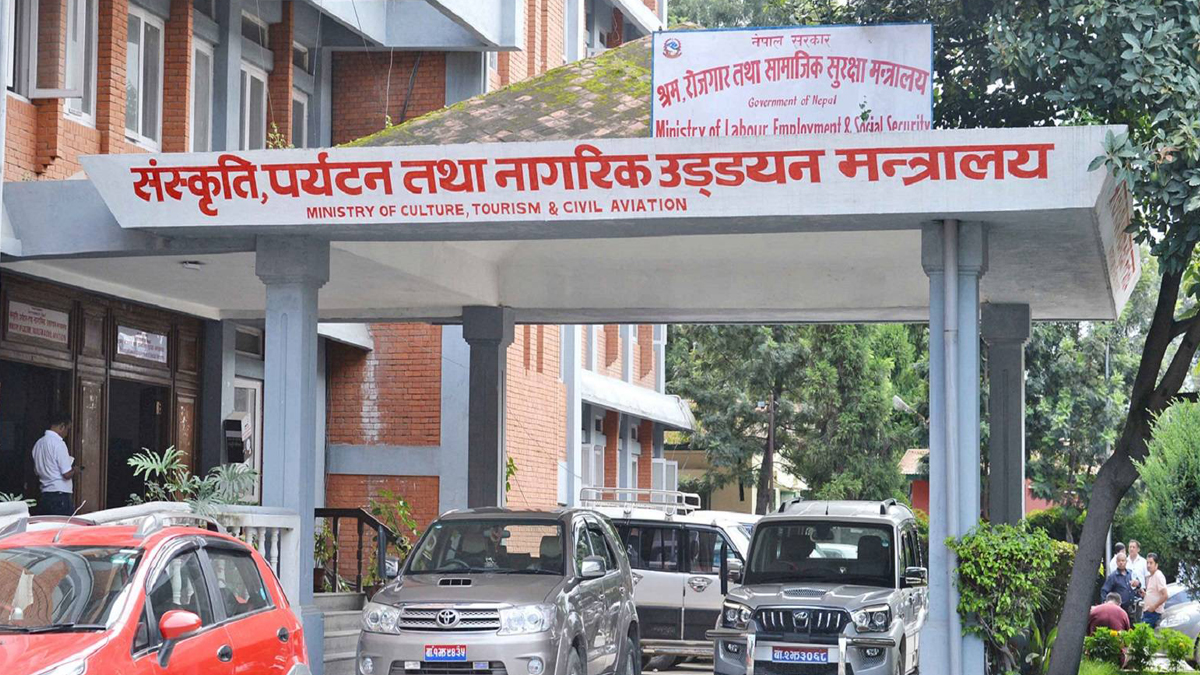
This year, the Ministry of Culture, Tourism, and Civil Aviation has added five more intangible cultural heritages to the national registry through a ministerial-level decision, in accordance with the provisions of the Internal Guidelines on Intangible Cultural Heritage (Listing and Management), 2082. The newly listed heritages represent the diversity of Nepal’s communities and traditions across different regions.
The Ladi Puja, a ritual practice observed by the Majhi community, has been recognised for its deep cultural and spiritual significance. The Bhume Parva festival celebrated by the Magar community has also been included, reflecting indigenous agrarian traditions tied to the land. The Tongue Piercing Festival (Jibro Chhedne Jatra), observed by the Shrestha, Jyapu, Nakarmi, and other Newar communities of Bode in Madhyapur Thimi Municipality-8, has been listed for its unique and extraordinary ritual character. Alongside it, the Sri Nilbarahi Gan Nritya (dance), also celebrated by the Newar community of the same locality, has received national recognition. Finally, the Nacharu Syain dance, performed by the Magar community of Roli in Madi Rural Municipality-6, Rolpa, has been added to the list.
Preserving Heritage Through Communities
The ministry has stated that the national listing initiative aims to ensure that the conservation of intangible cultural heritage continues to be led by the communities themselves. Through identification and documentation in line with the UN Convention, the government seeks to empower local communities to safeguard their own traditions rather than relying solely on state-driven preservation.
National Day and Honours for Advocates
To mark the occasion, the Ministry observed the Intangible Cultural Heritage Day and honoured individuals and organisations who contributed to securing the national listing of this heritage. Speaking at the event, Ministry Secretary Mukundaprasad Nirauola noted that the day has been observed to honour the diverse castes, ethnicities, and cultures that make Nepal a culturally rich nation. Joint Secretary Dr. Suresh Suras Shrestha informed attendees that the National Day was first observed on Ashadh 1, 2082, fifteen years after Nepal ratified the relevant convention.

The secretary also shared that a bill related to intangible cultural heritage has already been passed by the National Assembly and is currently under discussion in the House of Representatives, signalling legislative momentum behind the country’s preservation efforts.
Yomari Nominated for UNESCO International Listing
In a further development, Yomari, which was listed nationally last year, has now been submitted to UNESCO for international listing. This move aims to bring global recognition to the beloved Newar sweet dumpling, which is traditionally prepared during the festival of Yomari Punhi to celebrate the rice harvest. If successful, it would be Nepal’s latest addition to the UNESCO Representative List of the Intangible Cultural Heritage of Humanity, placing it alongside other globally recognised traditions.