Hidden in the remote highlands of Bajura district in Sudurpashchim Province, Badimalika is one of Nepal’s most revered and spiritually powerful pilgrimage destinations, a divine sanctuary where the Himalayas meet the heavens and the goddess reigns supreme.
Badimalika: Nepal’s Most Sacred Goddess Shrine
Badimalika is one of Nepal’s most significant religious and cultural pilgrimage sites, dedicated to Goddess Malika, a powerful manifestation of Goddess Bhagwati, the divine feminine energy worshipped across the Hindu tradition. Located at a staggering altitude of approximately 4,472 meters above sea level in the Bajura district of Sudurpashchim Province in far-western Nepal, Badimalika is not merely a temple, it is an entire sacred landscape, a high-altitude plateau blessed with extraordinary natural beauty and deep spiritual energy that has drawn pilgrims for centuries.
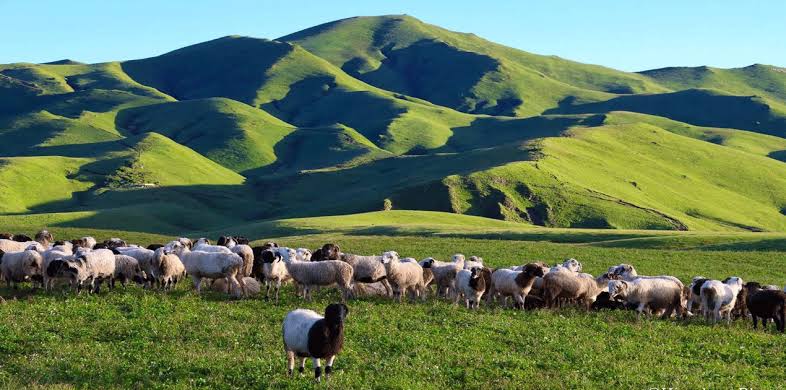
The name “Badimalika” is derived from two words, “Badi” meaning great or supreme, and “Malika” referring to the goddess herself, together signifying the “Supreme Goddess Malika.” The temple and its surrounding sacred area are believed to be one of the most powerful Shakti Peethas in Nepal, a site where the divine feminine energy of the universe is concentrated in its purest and most potent form. Devotees from across Nepal and neighboring India travel to this remote mountain shrine to seek the blessings of the goddess, particularly during the annual Badimalika Jatra festival.
Location and Geography: A Himalayan Sanctuary Above the Clouds
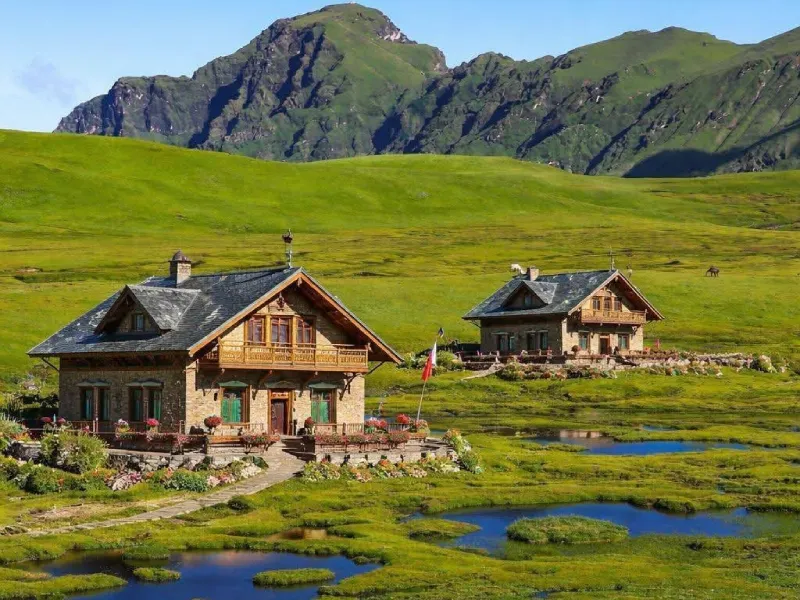
Badimalika is situated in the Malika Rural Municipality of Bajura district, nestled within the greater Seti River basin region of far-western Nepal. The temple sits at the heart of a high-altitude meadow, locally called a “lekh”, surrounded by dramatic mountain ridges, pristine alpine forests, and vast open skies that stretch endlessly in every direction. On clear days, the panoramic views from the Badimalika plateau encompass a sweeping Himalayan panorama that includes Api, Saipal, and other major peaks of the far-western Himalayan range.
The Badimalika region also encompasses the Badimalika Protected Forest, a significant conservation area that shelters rare Himalayan wildlife including Himalayan tahr, musk deer, snow leopard, red panda, and a rich diversity of high-altitude bird species. The combination of sacred religious heritage and exceptional biodiversity makes Badimalika a destination of extraordinary value, both spiritually and ecologically.
The Sacred Temple and Its Religious Importance
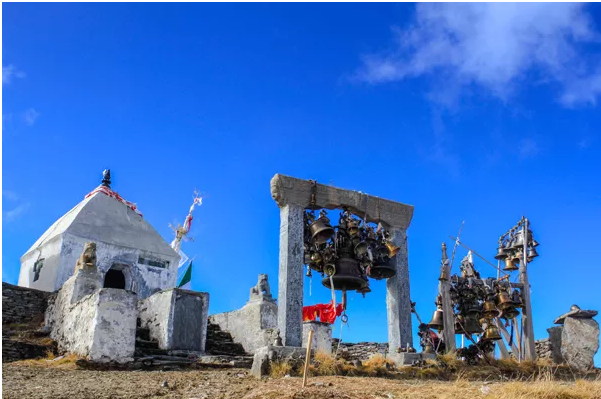
The Badimalika temple complex is the spiritual centerpiece of the entire region. The main temple, dedicated to Goddess Malika, is constructed in a traditional style that reflects the distinctive architectural heritage of far-western Nepal. The goddess is worshipped here in her fierce and powerful form, and it is widely believed among devotees that prayers offered at Badimalika are answered with particular swiftness and power. The temple is considered one of the most important pilgrimage sites in the Sudurpashchim Province and holds a sacred status comparable to some of the most revered goddess shrines in the entire country.
The site is also associated with the legendary figure of the Malla kings of the far-western Nepal kingdoms, who are believed to have been devoted patrons of the Badimalika goddess. Historical accounts and local oral traditions suggest that the temple has been a center of religious activity and royal patronage for many centuries, giving it a cultural depth that extends far beyond its religious significance alone.
Badimalika Jatra: The Grand Festival That Draws Thousands
The most important event in the Badimalika religious calendar is the annual Badimalika Jatra, a grand pilgrimage festival that takes place each year during the month of Shrawan (July–August), coinciding with the Hindu holy month dedicated to Lord Shiva and the goddess. During this period, tens of thousands of devotees from Bajura, Achham, Doti, Darchula, Baitadi, Dailekh, and other districts of far-western Nepal, as well as pilgrims from India, make the challenging journey on foot to reach the temple and seek the blessings of Goddess Malika.
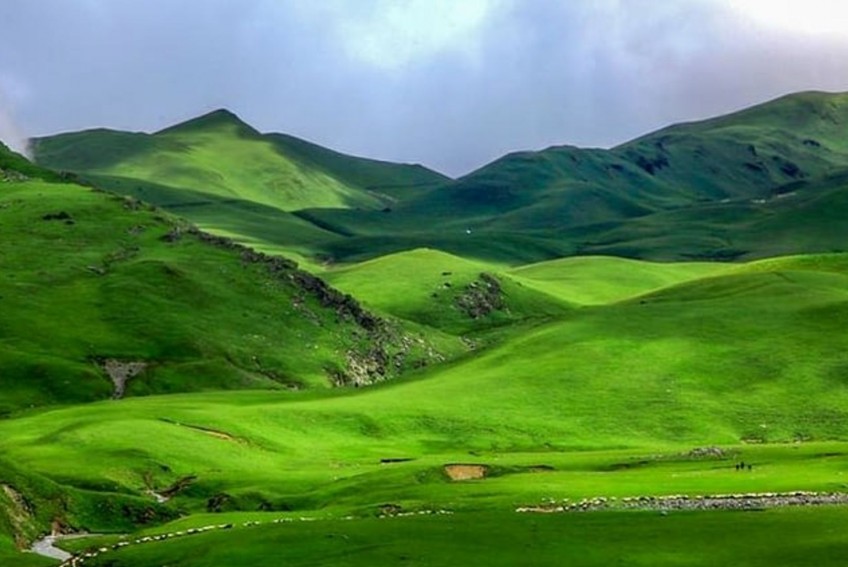
The festival atmosphere at Badimalika during Jatra is electric, the high-altitude meadows come alive with the sounds of devotional music, religious chanting, and the collective energy of thousands of pilgrims gathered in spiritual communion. Animal sacrifices, a traditional practice in the worship of goddess Bhagwati in this region, are offered at the temple, and elaborate religious rituals are performed by local priests according to age-old traditions that have been passed down through generations. The Badimalika Jatra is not only a religious event but a major cultural gathering that celebrates the living traditions, music, dance, and community bonds of the far-western Nepali people.
Trekking to Badimalika: Routes, Trails, and What to Expect
For adventure trekkers and religious pilgrims alike, the journey to this place is an experience of extraordinary richness. The most commonly used trekking route to Badimalika begins from Martadi, the district headquarters of Bajura, which is accessible by air from Nepalgunj via small aircraft or by road through a long and rugged overland journey. From Martadi, the trek to Badimalika typically takes two to three days on foot, passing through remote villages, dense forests of oak and rhododendron, and dramatic river valleys before ascending to the high-altitude meadows surrounding the temple.
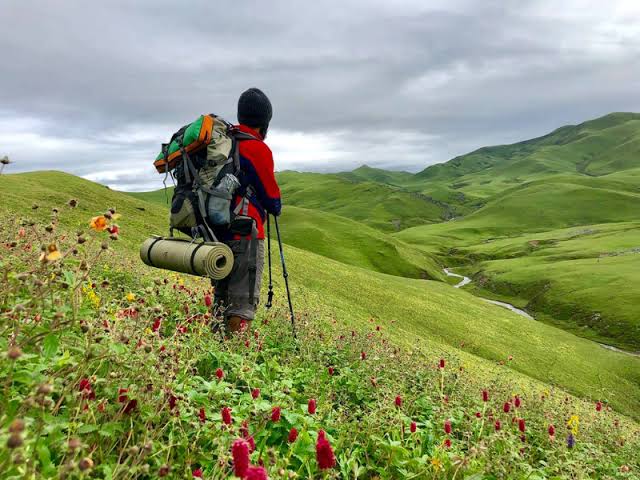
Another popular access point is via Kolti in Bajura, from where trekkers can follow mountain trails through pristine wilderness to reach the Badimalika plateau. The trekking trails in this region are not as developed or commercialized as those in the popular trekking circuits of the Annapurna or Everest regions, which means the journey to Badimalika retains a raw, authentic quality that seasoned trekkers and pilgrims find deeply appealing.
The best time to visit Badimalika for trekking is during the pre-monsoon spring season (April to June) and the post-monsoon autumn season (September to November), when weather conditions are most stable and the mountain views are at their clearest and most spectacular. The Jatra festival season in Shrawan, while coinciding with the monsoon, remains the most spiritually significant time to visit, despite the challenges of wet trails and unpredictable mountain weather.
Biodiversity and Conservation: The Natural Treasure of Badimalika
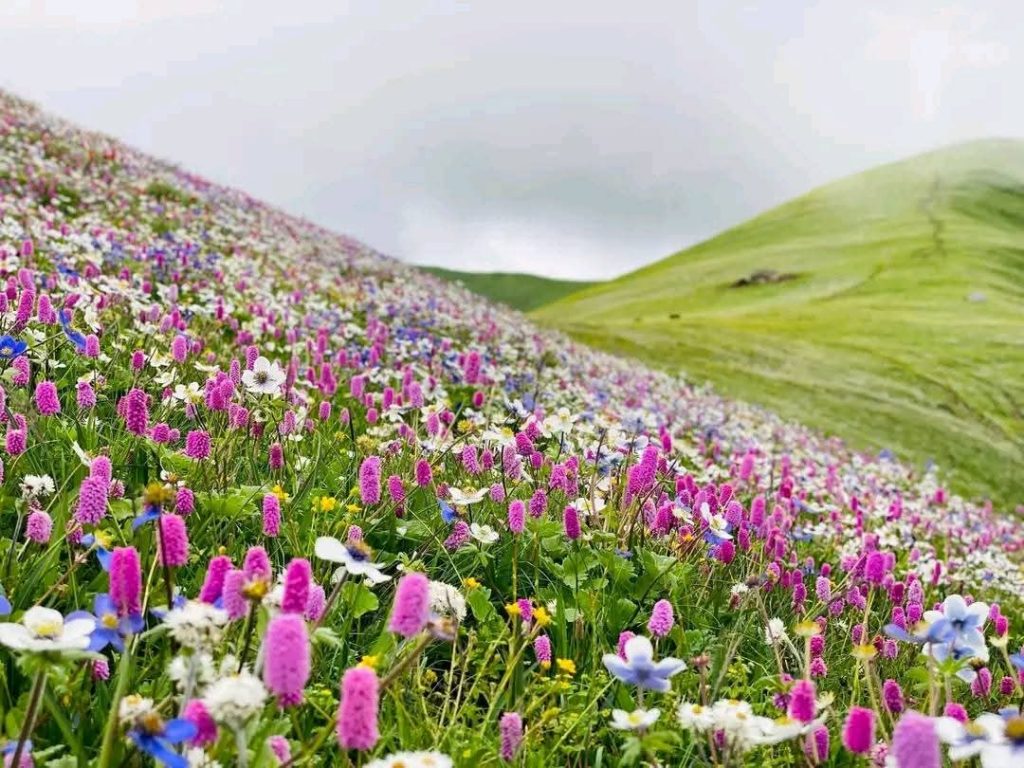
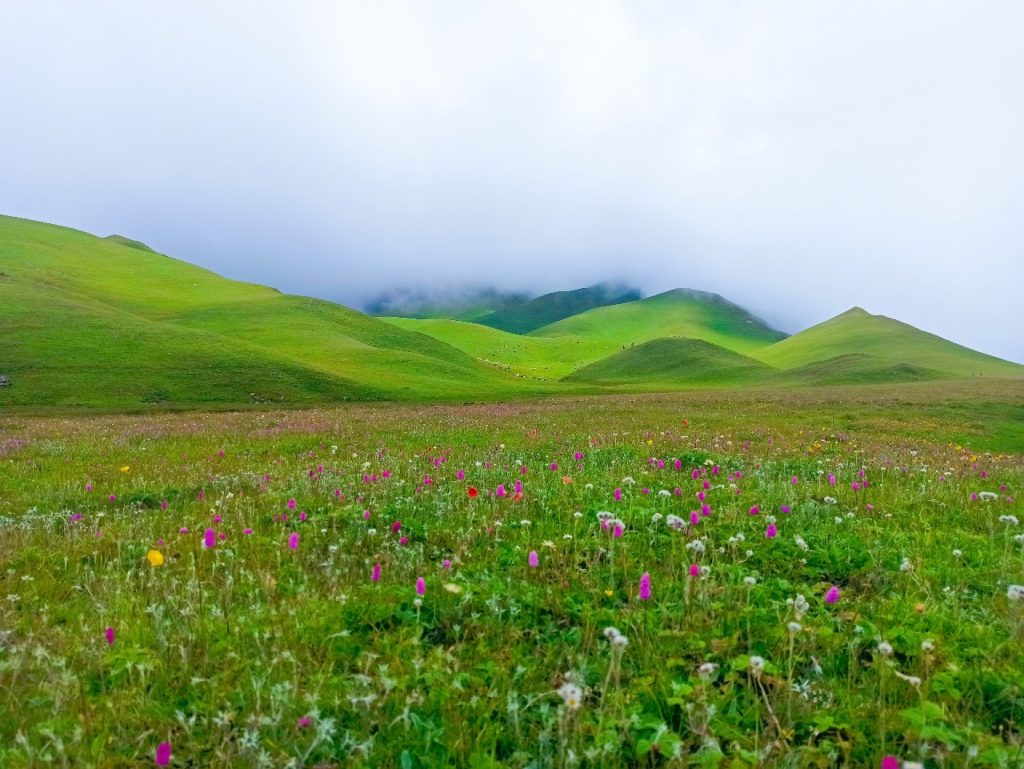
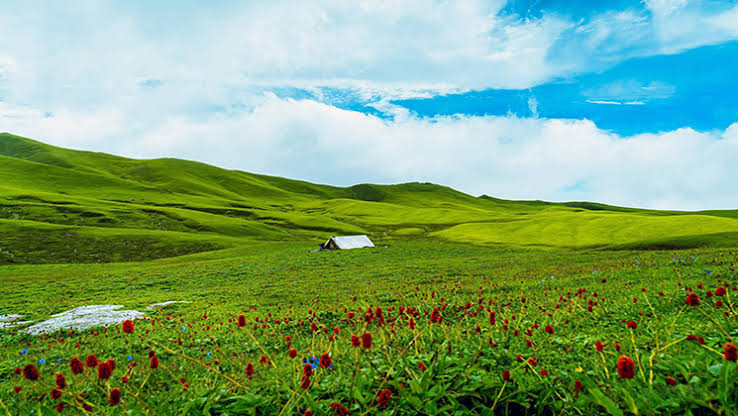
Beyond its spiritual significance, Badimalika is a site of exceptional ecological importance. The Badimalika Protected Forest, which surrounds and encompasses the temple area, is home to a remarkable range of Himalayan flora and fauna. The high-altitude meadows burst into color during spring and summer with a spectacular display of wildflowers, including various species of primula, gentian, and the iconic Himalayan blue poppy. Rhododendron forests paint the lower slopes in vivid shades of red, pink, and white during the blooming season, creating a visual spectacle that draws nature lovers alongside religious pilgrims.
The region’s wildlife population includes endangered and rare species such as the snow leopard, Himalayan musk deer, common leopard, Himalayan black bear, and the elusive red panda. Conservation efforts by local communities, the Badimalika Rural Municipality, and government agencies have been ongoing in recent years, recognizing that the long-term protection of this unique ecosystem is inseparable from the preservation of its sacred character.
Infrastructure Development and Tourism Potential
Despite its immense religious significance and natural beauty, Badimalika remains one of Nepal’s least developed and least visited major pilgrimage sites in terms of tourism infrastructure. Road access to the region is improving gradually, with ongoing construction of roads connecting Bajura to neighboring districts and to the broader road network of far-western Nepal. The expansion of Martadi Airport’s services and capacity is also a priority for local and provincial authorities seeking to boost tourism and pilgrimage to the region.
Local guesthouses and tea houses along the trekking routes provide basic accommodation for pilgrims and trekkers, though facilities remain modest compared to more established trekking destinations. This, paradoxically, is also one of Badimalika’s greatest attractions for many visitors, the absence of over-commercialization preserves an atmosphere of genuine spiritual solitude and natural unspoiled beauty that is increasingly rare in Nepal’s more popular pilgrimage and trekking destinations.
The Sudurpashchim Province government and Bajura district authorities have identified Badimalika as a priority destination for religious tourism and eco-tourism development, with plans for improved trail infrastructure, visitor facilities, and promotional campaigns aimed at both domestic and international travellers.
Why Badimalika Deserves a Place on Every Pilgrim’s and Trekker’s List
Badimalika occupies a unique space in Nepal’s spiritual and natural landscape. It is simultaneously a place of immense religious power, extraordinary natural beauty, rich cultural heritage, and genuine Himalayan wilderness, a combination that is exceptionally rare and deeply precious.
For Hindu pilgrims seeking the blessings of the goddess in a setting of pure Himalayan grandeur, for trekkers seeking an off-the-beaten-path adventure in unspoiled far-western Nepal, and for nature lovers seeking encounters with rare Himalayan wildlife and alpine ecosystems, Badimalika offers an experience that is profound, unforgettable, and utterly unlike anything else Nepal has to offer.
In a country blessed with an extraordinary abundance of sacred mountains, ancient temples, and Himalayan landscapes, Badimalika stands apart, not only as one of Nepal’s most powerful goddess shrines, but as a living testament to the enduring spiritual traditions, natural wonders, and cultural richness of the people of far-western Nepal.