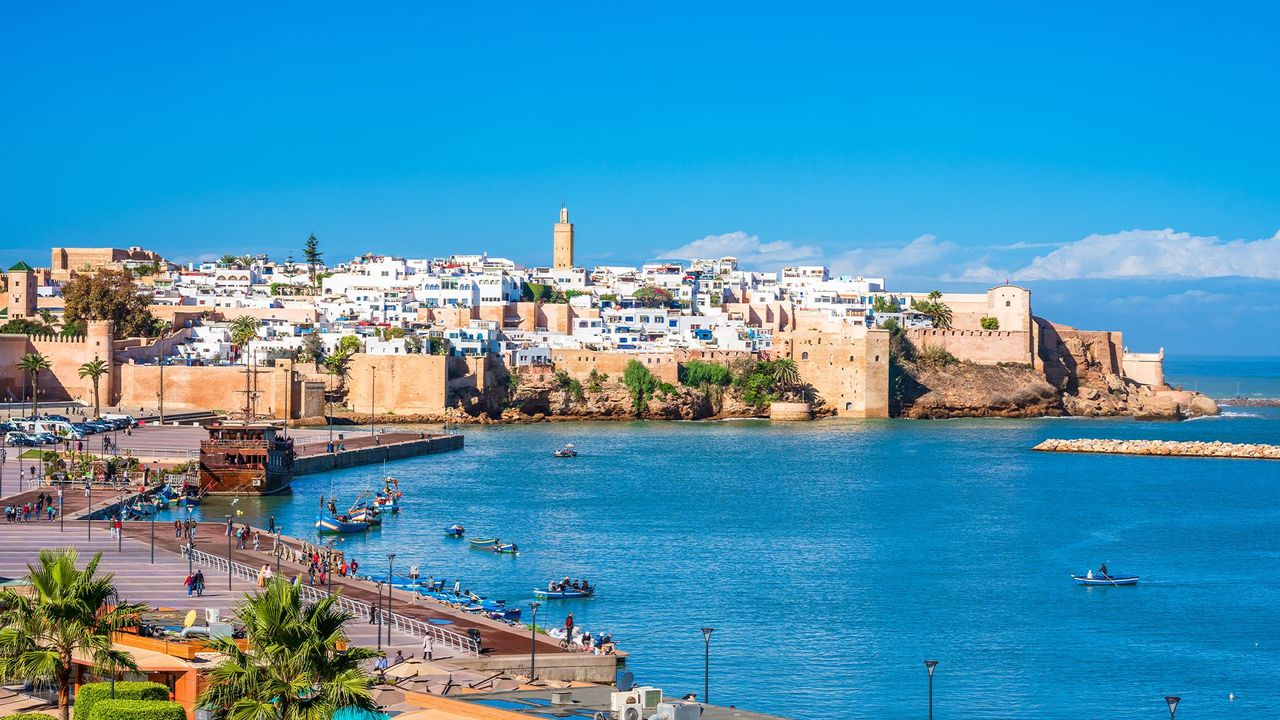
Morocco has achieved a landmark milestone in its tourism journey, climbing to 22nd place globally in international tourist arrivals after welcoming an unprecedented 19.8 million visitors over the past year. The figures, confirmed by both the UN Tourism Barometer and the Moroccan Ministry of Tourism, cement Morocco’s position as Africa’s leading travel destination and represent the strongest performance in the country’s tourism history.
A 14% Surge That Defies Global Headwinds
The scale of Morocco’s growth is particularly striking when set against the backdrop of a global tourism industry still navigating uneven recovery patterns across various regions. The country recorded a 14% year-on-year increase in visitor arrivals compared to the previous year, a growth rate that significantly outpaces the global average for international tourism. With 19.8 million visitors recorded, Morocco now stands on the very cusp of its long-anticipated 20-million-visitor milestone, a threshold that, once crossed, will place the country among a select group of global destinations operating at that scale of international arrivals.

The Strategic Roadmap Behind the Boom
Morocco’s tourism surge is not the product of chance, but the outcome of a deliberate and sustained government strategy. Moroccan authorities have pursued an aggressive expansion of air connectivity in recent years, working to secure new international routes and increase flight frequencies from key source markets across Europe, the Middle East, and beyond.
This has been paired with a comprehensive modernisation of local hospitality infrastructure, including upgrades to hotels, transport links, and visitor facilities in major tourism hubs such as Marrakech, Casablanca, Fez, and the coastal resort towns along the Atlantic and Mediterranean coastlines. This twin-pronged approach, improving how easily travellers can reach Morocco, and ensuring the country has the infrastructure to host them once they arrive, has proven instrumental in converting growing international interest into actual visitor numbers.
Tourism Receipts Cross the $14 Billion Threshold
The economic impact of this visitor surge has been substantial. Morocco’s tourism boom generated $14.8 billion in international receipts, a figure that reflects not just the volume of visitors but their spending patterns across accommodation, dining, transport, shopping, and guided experiences throughout the country. This revenue stream has become an increasingly vital pillar of Morocco’s broader economic structure, reinforcing the sector’s role as one of the most reliable and fastest-growing contributors to national income.
A Sector That Powers the National Economy
Tourism’s importance to Morocco extends well beyond headline visitor and revenue figures. The sector now accounts for over 7% of the nation’s GDP, a substantial share that underscores just how deeply tourism is woven into the country’s broader economic fabric. Equally significant is the sector’s role as an employment engine: tourism currently supports nearly 880,000 jobs across Morocco, spanning hospitality, transportation, tour guiding, retail, food service, and the many ancillary industries that depend on a thriving visitor economy.
For a country balancing economic diversification with the need to generate widespread employment opportunities, particularly for its young population, the scale of job creation linked to tourism represents one of the sector’s most valuable contributions to national development.
The Road to 26 Million by 2030
Morocco’s current trajectory is closely tied to its long-term strategic vision. The government has set an ambitious target of hosting 26 million annual visitors by 2030, a goal that would represent a further substantial increase from current levels. With visitor numbers already approaching 20 million and growing at a double-digit annual rate, the latest figures suggest that Morocco’s roadmap toward this 2030 target is firmly on track, provided current momentum in air connectivity expansion and infrastructure investment continues.
This 2030 ambition also aligns with Morocco’s broader positioning on the global sporting and cultural calendar. The country is set to co-host the 2030 FIFA World Cup alongside Spain and Portugal, an event expected to draw significant international attention and visitor interest in the years immediately preceding and during the tournament. The convergence of Morocco’s tourism growth targets with this major global sporting event suggests the country is strategically positioning its hospitality and infrastructure investments to peak at a moment of maximum international visibility.

Africa’s Undisputed Tourism Leader
Morocco’s performance reinforces its standing as the unrivalled leader in African tourism, a position the country has built over several years through consistent investment and strategic market positioning. While other African destinations continue to develop their own tourism sectors, Morocco’s combination of historical and cultural heritage, diverse landscapes spanning desert, mountain, and coastline, relative ease of access from Europe, and increasingly sophisticated hospitality infrastructure has allowed it to pull decisively ahead of regional competitors in attracting international visitors.
As Morocco approaches the symbolic 20-million-visitor threshold, the country’s tourism authorities face the dual challenge of sustaining current growth momentum while ensuring that infrastructure, service quality, and visitor experience continue to scale in tandem with arrival numbers. The years leading up to 2030 are likely to see continued investment in airport capacity, hotel development, and destination marketing, as Morocco works to convert its current momentum into a durable, long-term position among the world’s top tourism destinations.