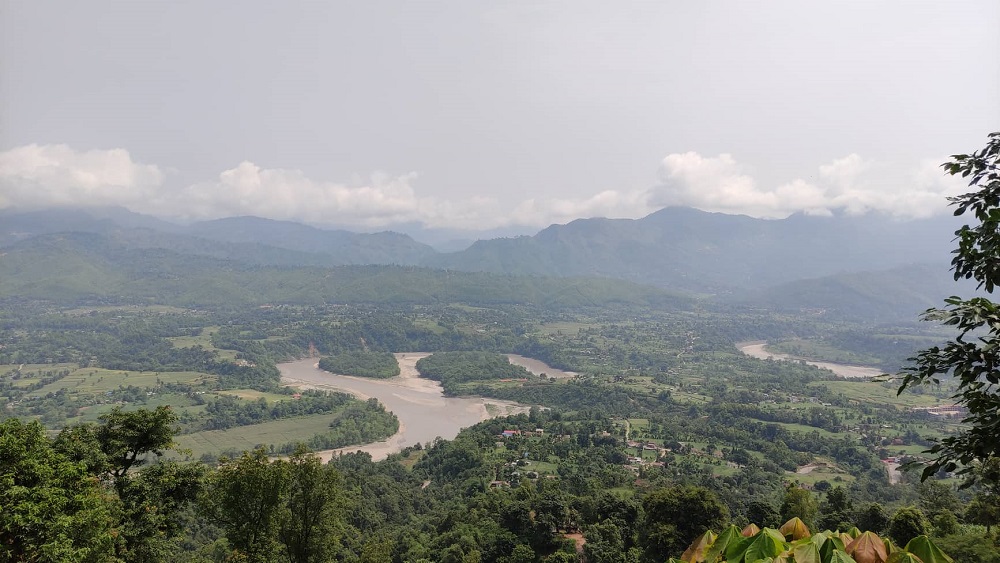
The construction of a new trekking route along the Kaligandaki River bank in Nawalparasi has officially begun, marking a significant step toward strengthening religious and tourism-based activities in the region. The initiative is being developed under Baudikali Rural Municipality with the vision of transforming the river corridor into a vibrant destination for both domestic and international visitors.
The project was inaugurated from the Balighat area, which is considered one of the key entry points to the proposed trekking network. Local authorities believe that the trail will not only enhance accessibility to scenic landscapes but also integrate multiple religious and natural heritage sites scattered across the region.
Local Government’s Vision for Tourism Expansion
According to Prakash Ojha, Chairman of Baudikali Rural Municipality, the trekking route has been designed with a long-term objective of promoting sustainable tourism rooted in the area’s natural beauty and cultural significance. He emphasized that the Kaligandaki corridor holds immense potential due to its combination of river landscapes, spiritual sites, and biodiversity-rich surroundings.

Ojha stated that the route passes through areas blessed with “bewitching sights” and lies adjacent to several important religious landmarks. The municipality aims to position the trail as a holistic tourism experience where visitors can engage in pilgrimage tourism, nature exploration, and cultural immersion within a single journey.
He further highlighted that this initiative is part of a broader strategy to place Baudikali on the tourism map of Nepal by developing infrastructure that encourages longer visitor stays and increased local economic activity.
Key Destinations to Be Connected Through the Route
As part of the master plan, the trekking trail will gradually connect several significant destinations across the region. These include Balighat Aapbagaincha, Kaligandaki Bar-Peepal Swamichautari, Gaindalpa Waterfall, and Chamkeodar. Each of these locations holds either religious, cultural, or natural importance, making them attractive stops along the trekking circuit.
Balighat Aapbagaincha is expected to serve as a recreational and cultural space, while the Bar-Peepal Swamichautari area is considered spiritually significant for local communities. Similarly, Gaindalpa Waterfall adds a natural attraction element, offering visitors a scenic experience amid forested surroundings and freshwater landscapes. Chamkeodar, on the other hand, is known for its religious relevance and is expected to become a key pilgrimage point once connected through the trekking route.
Officials believe that integrating these destinations into a single trekking network will encourage multi-day tourism and create opportunities for homestays, local guides, and community-based tourism enterprises.
Phase-Wise Construction Under National Employment Programme
The construction of the trekking route has already begun, with the initial phase launched from Balighat. The project will be implemented in a phased manner, allowing gradual expansion and systematic development of infrastructure along the corridor.
A notable aspect of the initiative is its linkage with the National Employment Programme, through which the required workforce will be managed. This approach is expected to generate local employment opportunities, particularly for youth and community members in the surrounding areas. By involving local labor, the project also aims to ensure community ownership and sustainability in tourism infrastructure development.
The phased construction model is intended to maintain environmental balance while gradually improving accessibility. Authorities have indicated that attention will be given to trail safety, signage, resting points, and eco-friendly construction practices to minimize ecological disturbance along the riverbank.
Boosting Religious and Eco-Tourism Potential
The Kaligandaki River corridor is already known for its religious significance, as the river itself holds deep spiritual value in Hindu traditions. By developing a structured trekking route along its banks, local authorities aim to combine pilgrimage tourism with eco-tourism, offering a diversified travel experience.

Tourism experts believe that the initiative could help decentralize tourist flow from heavily visited destinations and encourage exploration of lesser-known areas in western Nepal. The project is also expected to strengthen the local economy through increased demand for accommodation, food services, transportation, and cultural experiences.
A Step Toward Sustainable Regional Development
Once completed, the trekking route is expected to serve as a model for community-led tourism development in the region. By combining natural beauty, religious heritage, and local participation, Baudikali Rural Municipality hopes to create a sustainable tourism corridor that benefits both visitors and residents.
Officials remain optimistic that the project will not only enhance the visibility of Nawalparasi on Nepal’s tourism map but also contribute to long-term socio-economic development through responsible and inclusive tourism practices.