Mustang, one of Nepal’s most iconic Himalayan tourism destinations, has witnessed a remarkable surge in visitor arrivals, with more than 700,000 domestic and international tourists entering the district during the first 11 months of the current fiscal year 2082/83.
According to official data recorded at the Ghassa Border Police Post, located at the Myagdi-Mustang border, a total of 705,754 tourists traveled to Mustang between Shrawan and Jestha via the Beni–Jomsom road corridor, the district’s only road connection to Nepal’s national highway network. The figure is nearly equal to the total tourist arrivals recorded during the entire previous fiscal year, signaling rapid growth in Mustang’s tourism sector and reinforcing its position as one of Nepal’s fastest-growing travel destinations.

Beni–Jomsom Road Emerges as Key Tourism Lifeline
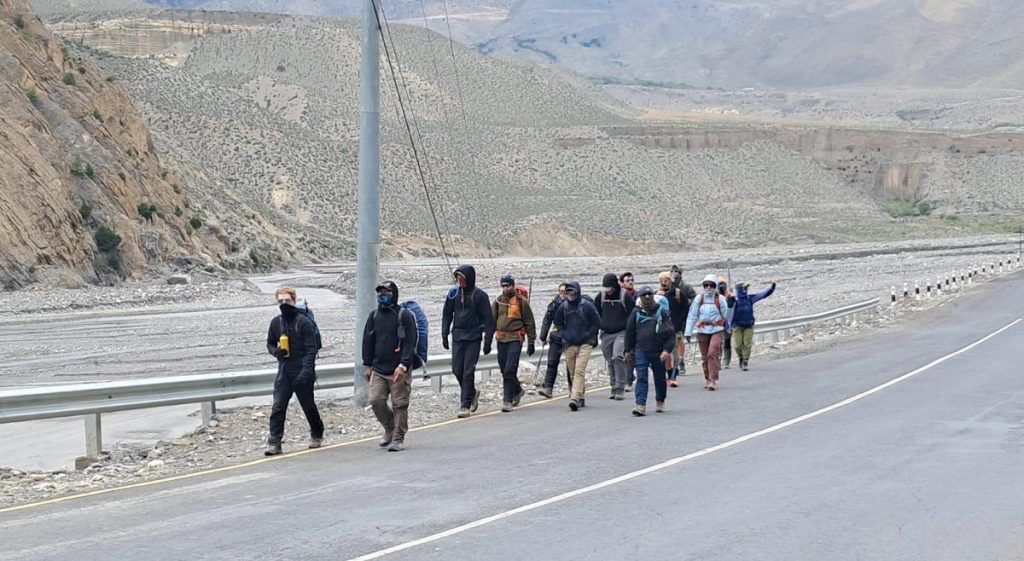
The Beni–Jomsom road, which passes through the northern region of Myagdi district including Raghuganga and Annapurna Rural Municipality, continues to serve as the primary gateway for travelers heading toward Mustang. Police stationed at Ghassa maintain records of vehicles and tourists entering the district through this route. According to District Police Office Inspector Santosh Basyal, during the 11-month period, 151,160 vehicles carried visitors into Mustang.
Of the total arrivals, 460,924 were domestic tourists, while 244,830 were international visitors, reflecting strong demand from both local and foreign travelers. Officials say the increasing accessibility through road transport has played a major role in boosting tourism numbers in recent years.
Tourist Numbers Peak During Spring Season
The highest tourist inflow was recorded in the month of Jestha, when Mustang experienced an exceptional travel rush. During that month alone, 27,488 vehicles entered Mustang carrying 90,939 foreign tourists and 40,838 domestic travelers, making it the busiest tourism month of the fiscal year so far. Tourism entrepreneurs say favorable weather conditions during the spring season, particularly in Baisakh and Jestha, make Mustang one of Nepal’s most attractive travel destinations before the monsoon begins.
Indian Tourists Driving International Visitor Growth
Authorities report that Indian travelers account for the majority of foreign tourist arrivals in Mustang. According to Inspector Santosh Basyal, nearly 80 percent of international visitors entering Mustang are Indian tourists. Industry observers believe a recent policy by the Government of India encouraging domestic spending and reducing outbound dollar expenditure has significantly increased Indian tourist traffic to destinations like Pokhara and Mustang. The growing number of Indian tourists has become a major contributor to Nepal’s tourism economy, especially in Himalayan destinations accessible by road.
Holiday Rush Boosts Domestic Tourism
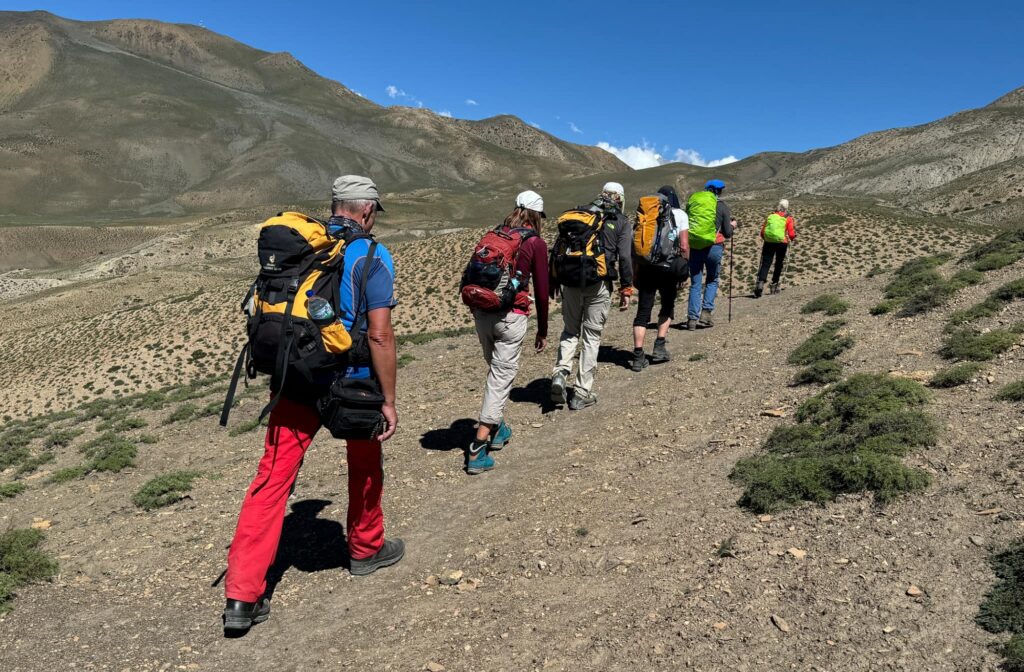
Domestic tourism has also experienced significant growth this year, particularly during extended holiday periods. During the third week of Jestha, when Nepal observed four consecutive public holidays, Mustang became one of the top travel choices for Nepali travelers seeking short adventure and pilgrimage trips.
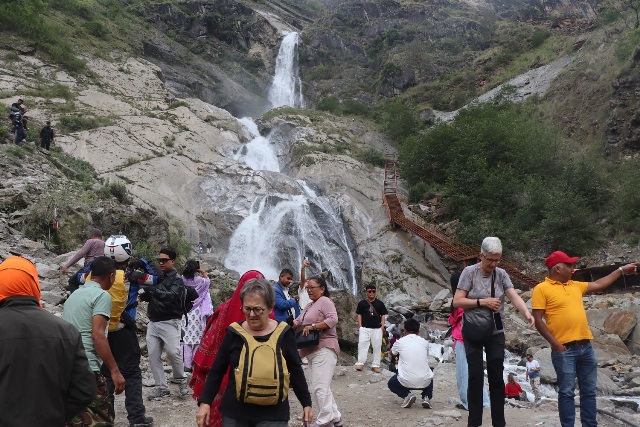
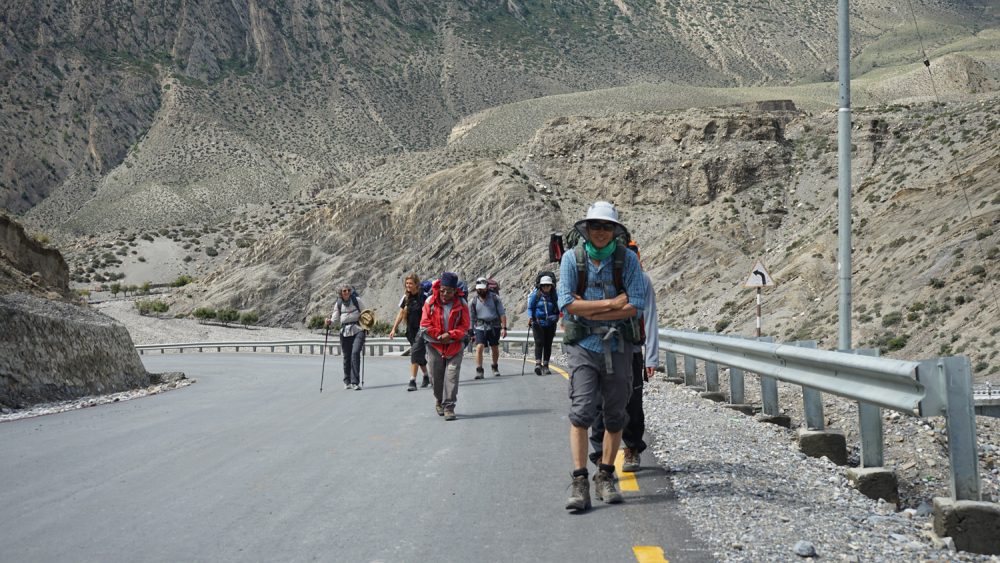
The surge in tourist movement created heavy traffic along the Beni–Jomsom road, with hotels in Beni, Galeshwor, Tatopani, and Dana reporting full occupancy during peak travel periods. Local businesses say the rise in visitor numbers is generating strong economic benefits for hotels, restaurants, transport operators, and tourism service providers along the corridor.
Religious Tourism Remains Major Attraction
One of the biggest reasons behind Mustang’s growing popularity continues to be Muktinath Temple, one of Nepal’s most sacred pilgrimage destinations located in Waragung Muktichhetra Rural Municipality–1. Thousands of Indian and Nepali pilgrims travel to Mustang each year specifically to visit the revered temple, considered highly significant in both Hindu and Buddhist traditions. In addition to Muktinath, visitors also travel to Kagbeni Dham for performing ancestral rituals such as Shraddha and Tarpan, while adventure travelers continue exploring Korala border point and the historic walled city of Lo Manthang.
Unique Geography and Culture Fuel Tourism Growth
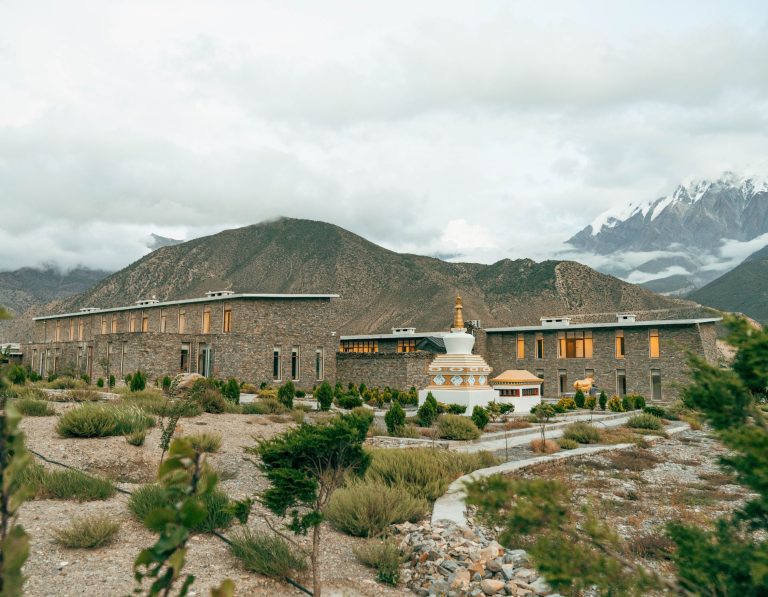
Tourism experts say its rapidly increasing popularity is driven not only by religious tourism but also by its extraordinary landscape and cultural uniqueness. The district offers a rare combination of dramatic Himalayan scenery, high-altitude desert landscapes, rich biodiversity, ancient monasteries, Tibetan-influenced culture, traditional lifestyles, and centuries-old heritage settlements. Its distinctive geography and untouched authenticity have made Mustang increasingly attractive among travelers looking for experiences beyond conventional trekking routes.

Mustang Strengthening Position as Nepal’s Tourism Powerhouse
With tourist arrivals already crossing 700,000 within just 11 months, the place is emerging as one of Nepal’s strongest tourism growth stories. The steady increase in domestic travel, rising Indian tourist inflow, improved road accessibility, and growing interest in religious and adventure tourism are positioning Mustang as a major economic driver for Nepal’s mountain tourism industry.
As visitor numbers continue rising, tourism stakeholders emphasize the need for improved infrastructure, sustainable destination management, and better hospitality services to maintain Mustang’s growing reputation as one of Nepal’s premier Himalayan destinations.