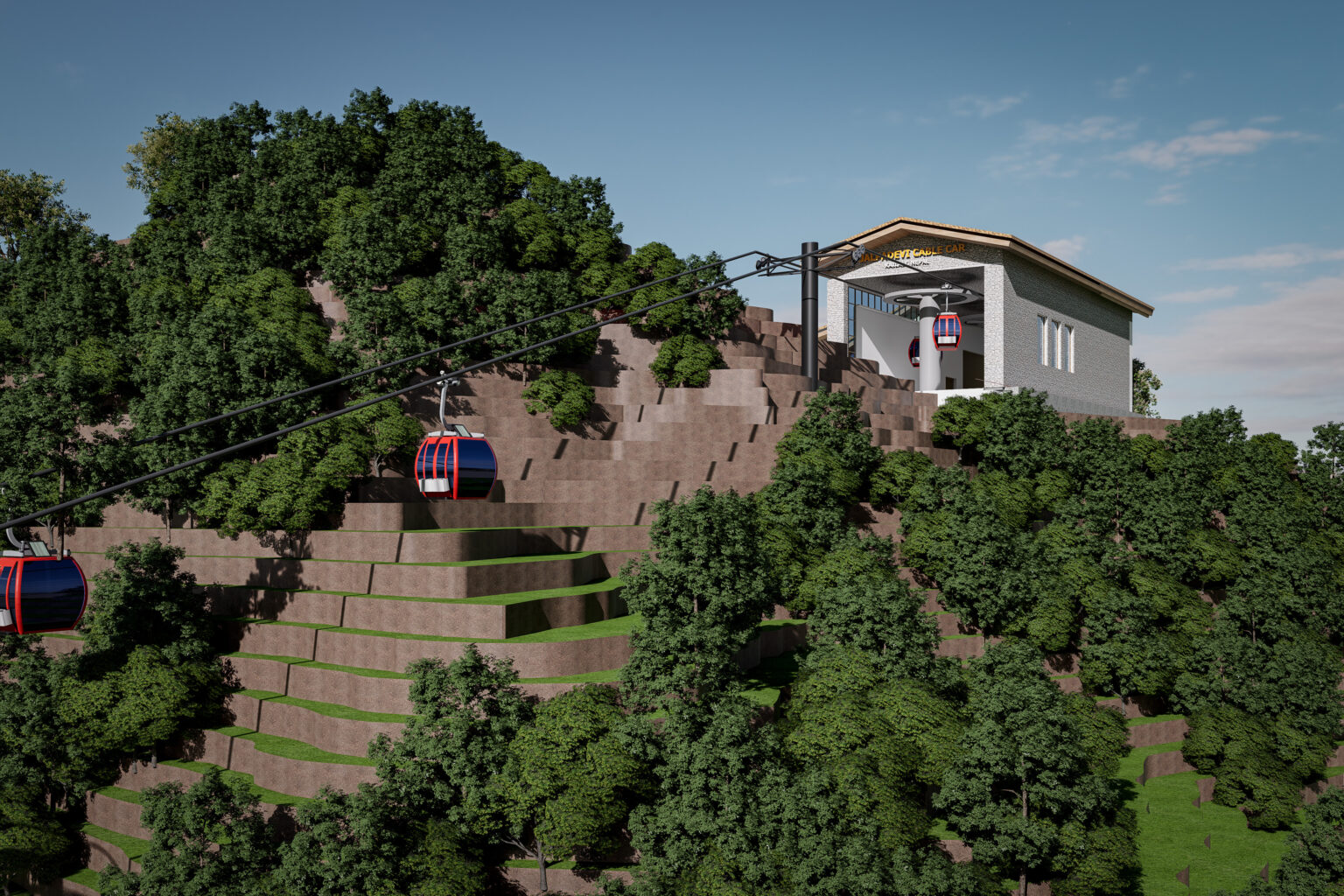
The Jalpa Devi Cablecar Private Limited project in Chisapani, backed by IME Group, is emerging as one of the largest tourism investments in Nepal’s Far-West with an estimated cost of Rs 6 billion. As the mighty Karnali River, Nepal’s longest river, descends from the Himalayas and reaches Chisapani, it creates one of the country’s most breathtaking natural landscapes. Flowing beneath the iconic Chisapani Bridge, surrounded by lush green hills and dramatic scenery, the river offers a remarkable view where nature and engineering seem to meet in perfect harmony.
Yet despite possessing immense natural beauty and tourism potential, Nepal’s Far-West region has for decades remained economically underdeveloped, with much of its natural wealth confined to unrealized possibilities. For years, a critical question has lingered: can the region’s natural resources truly become a foundation for long-term prosperity?
A new large-scale tourism infrastructure project now aims to answer that question. The ambitious Jalpa Devi Cablecar Private Limited project, currently under construction in Kailali, is increasingly being viewed as a transformative initiative capable of reshaping tourism, investment, and employment opportunities across Nepal’s Far-West.
Rs 6 Billion Mega Tourism Project Underway
The Jalpa Devi Cable Car Project is being developed between Chisapani in Lamkichuha Municipality-3 and Rajkanda in Mohanyal Rural Municipality-7, connecting two areas widely recognized for their scenic landscapes and tourism potential. Backed primarily by Nepal’s leading private conglomerate IME Group, the integrated tourism project carries an estimated investment of nearly Rs 6 billion spread across multiple development phases.
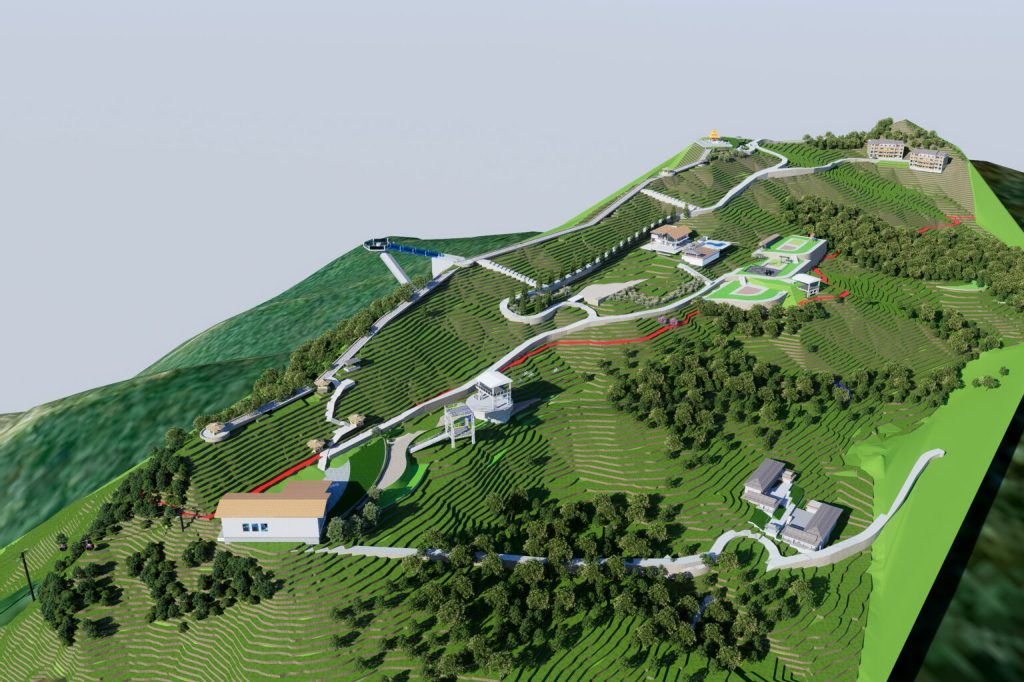
At the heart of the project lies a 3.1-kilometer-long cable car system, but developers say the initiative goes far beyond transportation infrastructure. The broader master plan includes luxury hotels, restaurants, skywalk facilities, landscaped parks, walking trails, recreational areas, and several additional tourism-focused infrastructures designed to establish Chisapani as one of Nepal’s premier travel destinations. Many local stakeholders now believe this project could become the economic turning point the Far-West has long awaited.
Long-Held Local Dream Finally Taking Shape
The vision to develop tourism infrastructure in the Chisapani area is not new. Nearly 13 years ago, local entrepreneurs first proposed a large-scale tourism development plan for the region. At that time, around 99 local businesspeople joined efforts to push the concept forward.
However, various logistical and financial challenges prevented the project from moving beyond the planning stage for years. The dream finally began taking shape after participation from IME Group, allowing the project to formally move into construction. The project foundation stone was officially laid on Poush 13, 2081 BS, while construction work formally began in Ashadh last year. For many locals, the project represents the realization of a vision that had remained dormant for over a decade.
Construction Work Moving Rapidly Toward Completion
According to project engineer Bijay Poudel, construction work is currently progressing at a rapid pace. He said critical civil works including installation of support towers, construction of bottom station and top station facilities are already in their final stages. Once those structures are completed, technical installation work involving wire stringing and gondola installation will begin immediately.
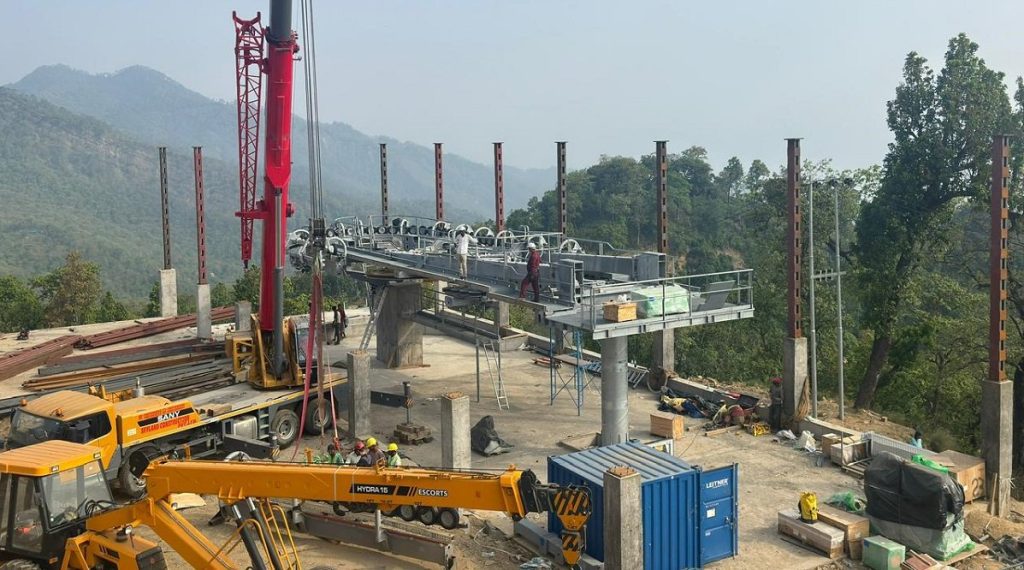
Project developers are targeting next Ashwin to bring the cable car into operation. Poudel said work is being carried out intensively to meet the scheduled deadline. According to him, infrastructure currently under construction will eventually position the area among Nepal’s major tourism destinations.
Luxury Hotels and Tourism Infrastructure Being Built
The Jalpa Devi Cable Car itself forms only one part of the broader tourism development plan. At the upper station near Rajkanda, developers are constructing multiple tourism facilities including restaurants, parks, skywalk attractions, walking trails, and the Jalpa Devi Temple complex, all designed to enhance visitor experience.
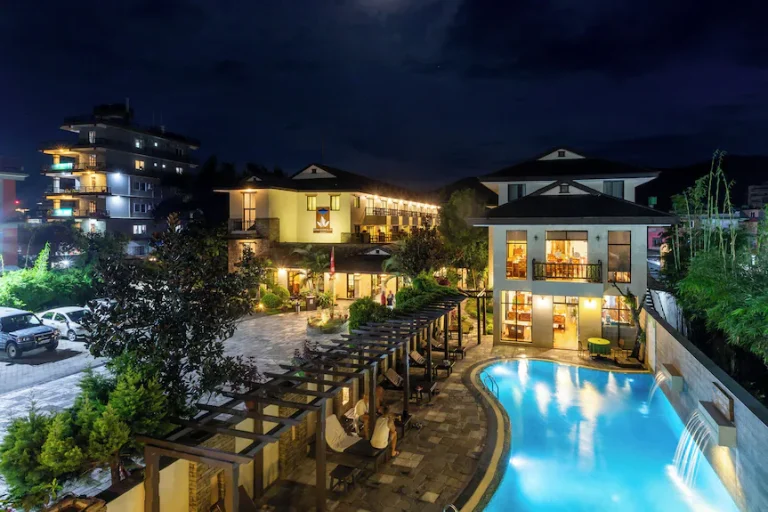
Meanwhile, at the lower station of Jalpa Devi Cable Car in Chisapani, preparations are underway for construction of a proposed five-star category resort, banquet facilities, and several other premium hospitality infrastructures. According to project documents, the integrated resort project is expected to include approximately 100 luxury hotel rooms, significantly upgrading tourism accommodation options in the region. Developers say the entire infrastructure package is intended to create a full tourism ecosystem rather than a single attraction.
Far-West Business Community Sees Historic Opportunity
Business leaders in Nepal’s Far-West say the project marks one of the largest private tourism investments ever made in the region. According to Federation of Nepalese Chambers of Commerce and Industry Far-West Chairman Pushparaj Kunwar, the scale of private investment itself makes the project historically significant.
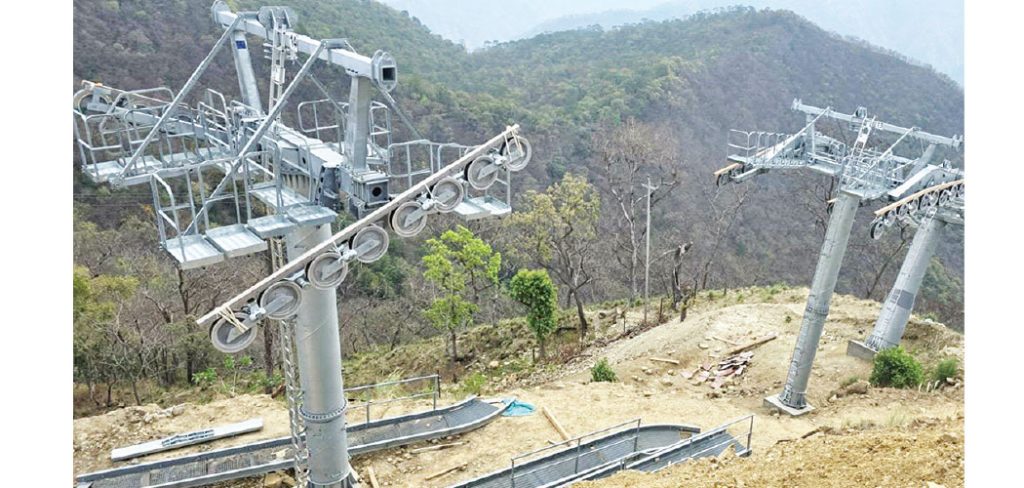
He said the cable car will directly benefit multiple sectors including hotels, transportation, agriculture, trade, and services, creating a broad multiplier effect throughout the local economy. Similarly, business leaders Santosh Khadka and Padmaraj Chaulagain say the project has generated renewed confidence among investors looking toward Far-West Nepal. They believe successful completion of the project could encourage additional private investment into the province.
Tourism Destination Expected to Extend Visitor Stay because of Jalpa Devi Cable Car
Currently, Chisapani Bridge remains the primary tourist attraction in the area because of Jalpa Devi Cable Car. Tourism stakeholders estimate that between 500 to 700 domestic tourists visit Chisapani daily, mainly to experience the scenic beauty surrounding the bridge and Karnali River. However, most visitors stay only for a few hours before leaving.
Tourism entrepreneur Devraj Jaisi believes the new tourism infrastructure will fundamentally change visitor behavior. He says once hotels, recreational facilities, and the cable car become operational, tourists will stay longer, spend more money locally, and create entirely new economic opportunities for nearby communities. Industry experts have also suggested combining the cable car project with nearby adventure tourism products such as Bardia National Park jungle safaris and river rafting packages to create a broader integrated tourism experience.
Employment Opportunities Could Reduce Foreign Migration
One of the biggest hopes surrounding the project is job creation. Far-West Nepal has long struggled with unemployment, forcing many young people to seek work in India or Gulf countries. Villages across the region continue experiencing large-scale outward migration, leaving behind communities dominated mainly by children and elderly family members.
Local businessman Kalu Hamal believes the cable car project could begin reversing that trend. Once operational, the project is expected to stimulate expansion across hospitality, transportation, food services, entertainment, agriculture, and tourism support industries. Thousands of both direct and indirect jobs could emerge as tourism activity grows. Hotel entrepreneur Tank Parajuli says increased tourist arrivals will also create stronger demand for agricultural products produced by local farmers. This, he says, could encourage entrepreneurship among youth while strengthening the rural economy.
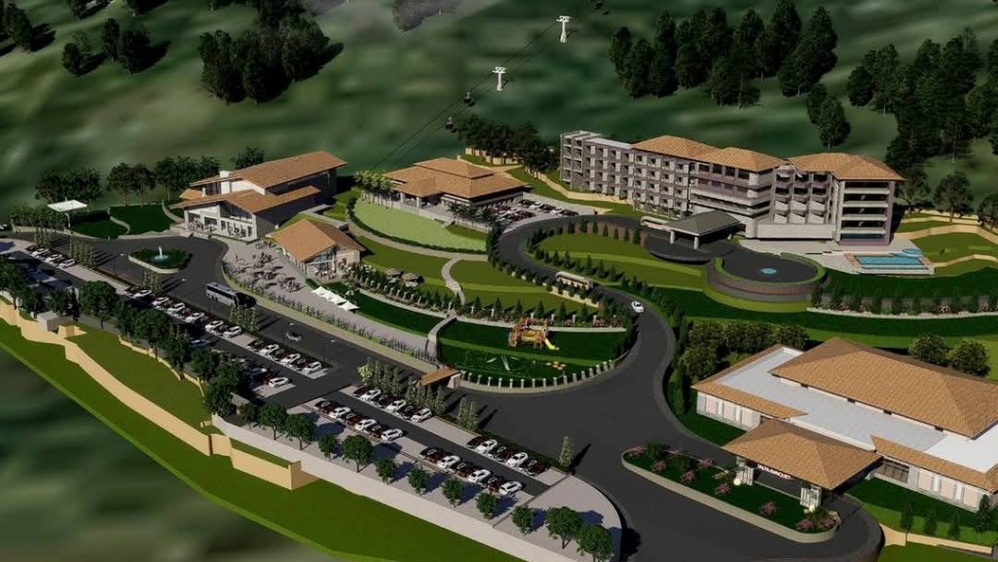
Major Investors Behind the Project ‘Jalpa Devi Cable Car’
The project developer, Jalpa Devi Cablecar Private Limited, was incorporated in April 2018. The company is constructing the integrated Jalpa Devi Cable Car and resort project in Lamkichuha-03, Kailali. Business leaders Chandra Prasad Dhakal and Hem Raj Dhakal hold the company’s majority ownership through both direct and affiliated entities. While the Jalpa Devi Cable Car segment is nearing completion, construction of the hotel component is yet to begin.
A New Economic Future for Nepal’s Far-West
For decades, Far-West Nepal has remained rich in natural beauty but poor in infrastructure investment. The Jalpa Devi Cable Car Project is increasingly being viewed as more than a tourism development, it represents a larger economic vision capable of transforming an entire region.
If completed successfully, the project could establish Chisapani and Rajkanda as major national tourism destinations while opening new pathways for employment, investment, entrepreneurship, and long-term regional prosperity. For a region long waiting to convert its natural beauty into economic opportunity, the gondolas rising above the Karnali River may soon carry not just tourists, but the long-awaited hopes of prosperity for Nepal’s Far-West.