Chandragiri Hills Limited has received a significant vote of confidence from ICRA Nepal Limited after the agency reaffirmed the company’s issuer rating at [ICRANP-IR] BB+, while simultaneously removing the rating from its earlier “Watch with Negative Implications” category. The rating action, announced on June 18, 2026, reflects improving operational stability after months of disruption caused by damages sustained during protests in September 2025, along with the company’s successful efforts to restructure debt obligations and strengthen its financial outlook.
According to ICRA Nepal, issuers carrying a BB+ rating are considered to have a moderate risk of default regarding timely servicing of financial obligations. The rating primarily reflects the company’s overall creditworthiness and financial capacity, rather than any specific debt instrument. In the rating hierarchy, the plus (+) symbol signifies a relatively stronger position within the BB category, placing Chandragiri Hills one notch above entities rated BB and one notch below higher categories.
The announcement marks an important milestone for Chandragiri Hills as the company moves beyond a period of operational uncertainty and works toward restoring financial stability after one of the most difficult periods since its commercial launch.

Removal from Negative Watch Reflects Recovery After September 2025 Disruption
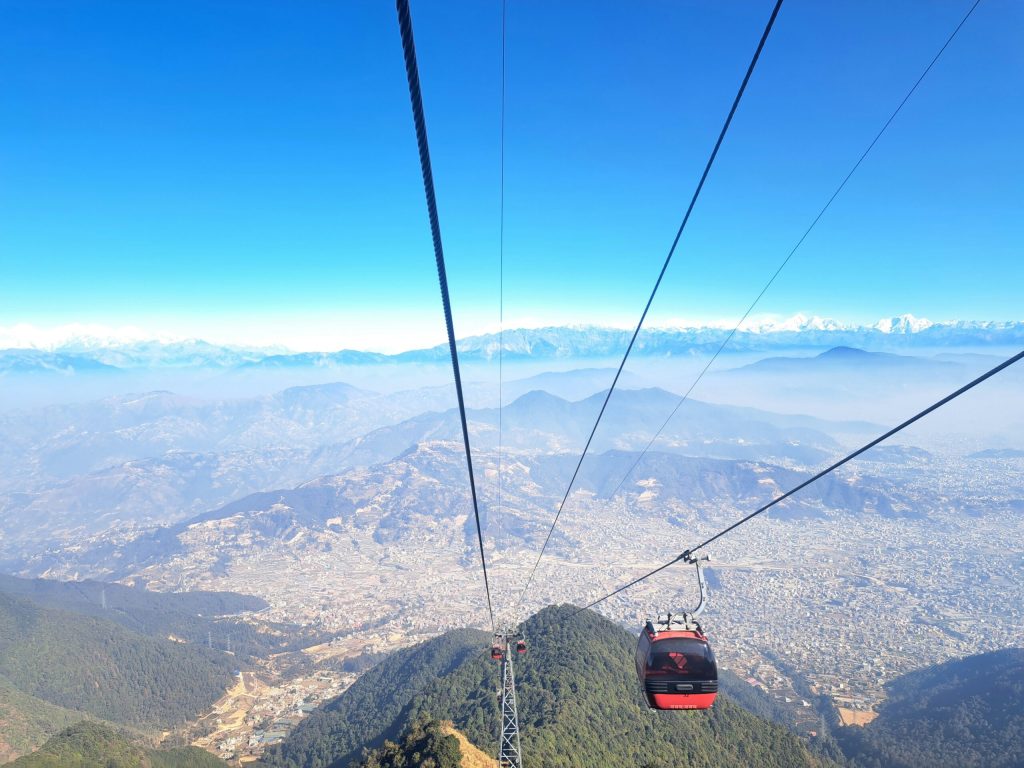
A major reason behind the removal of the negative watch status was the resumption of Chandragiri Hills’ cable car operations, which had remained suspended for nearly three months following damages caused during protests in September 2025. The interruption severely impacted the company’s revenue-generating ability, particularly because cable car operations serve as one of the primary revenue pillars of the business.
ICRA Nepal noted that the company successfully resumed operations on December 1, 2025, helping the business gradually recover during the latter part of fiscal year 2026. Equally important was the company’s ability to negotiate debt rescheduling arrangements, allowing management to adjust repayment obligations in response to temporary operational cash flow disruptions caused by the shutdown.
The agency acknowledged that this debt restructuring significantly reduced immediate pressure on loan servicing and gave the company critical breathing space during the recovery period. The improved financial planning helped convince rating analysts that near-term default risks had reduced considerably compared with earlier concerns when the company had been placed under negative watch.
Strong Financial Structure Continues to Support Rating Stability
Despite the operational disruption during FY2026, ICRA Nepal stated that Chandragiri Hills continues to maintain a relatively satisfactory financial profile. The company’s capital structure remains stable, supported by manageable debt levels and a moderate leverage ratio. As of mid-April 2026, Chandragiri Hills reported a gearing ratio of approximately 1.2 times, meaning debt remains relatively controlled in comparison to shareholder equity. Similarly, the company’s Total Outside Liabilities to Tangible Net Worth (TOL/TNW) ratio stood at around 1.5 times, slightly higher than the previous year but still within manageable levels.
A major positive factor supporting the company’s future financial position is its proposed 100 percent rights share issuance, which management plans to fully utilize toward reducing outstanding debt. If successfully implemented, the capital injection is expected to significantly improve the company’s balance sheet by lowering leverage while increasing overall financial flexibility. This planned deleveraging effort remains one of the key reasons ICRA Nepal continues to view the company positively despite recent challenges.
Strategic Tourism Destination Strengthens Long-Term Business Potential
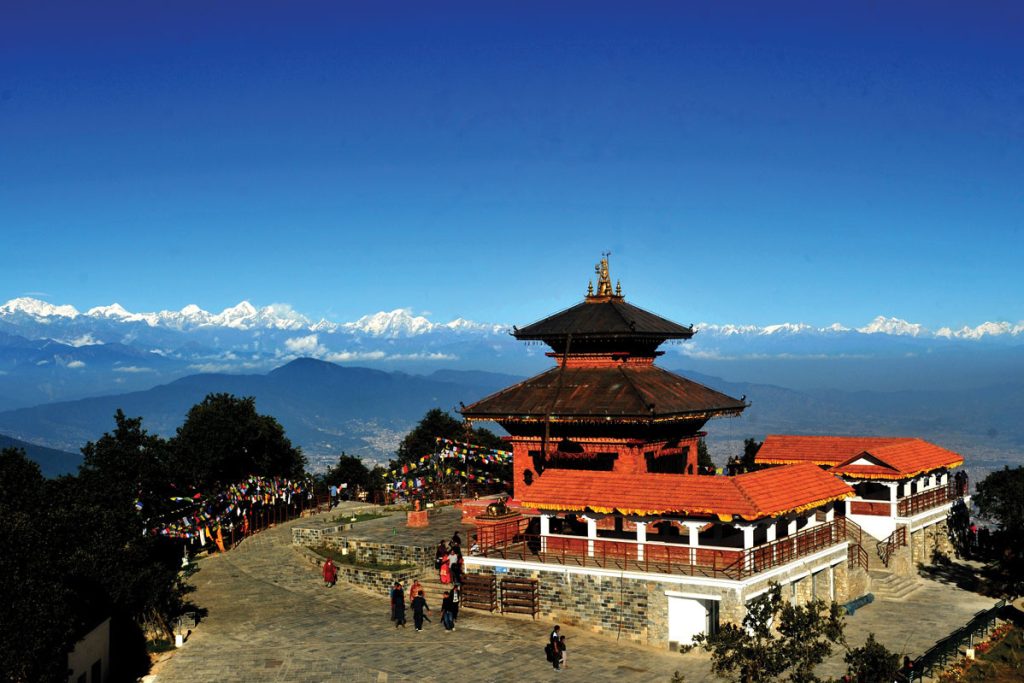
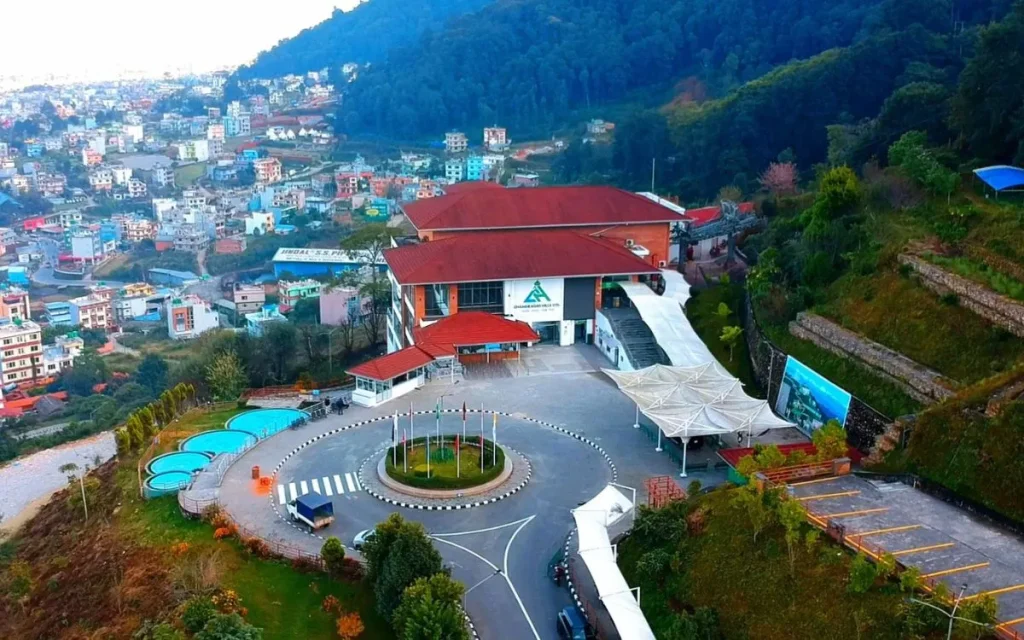
One of Chandragiri Hills’ strongest competitive advantages remains its strategic location and diversified tourism offerings. Located on a scenic hilltop at the outskirts of Kathmandu, the destination has developed into one of Nepal’s major tourism attractions over recent years. Its cable car system remains particularly significant because it is the first and only cable car service operating within the Kathmandu Valley, creating a unique positioning advantage that competitors cannot easily replicate.
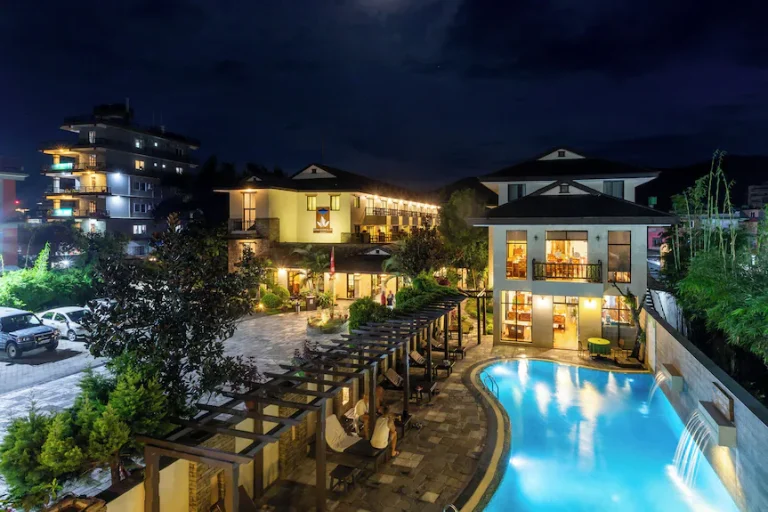
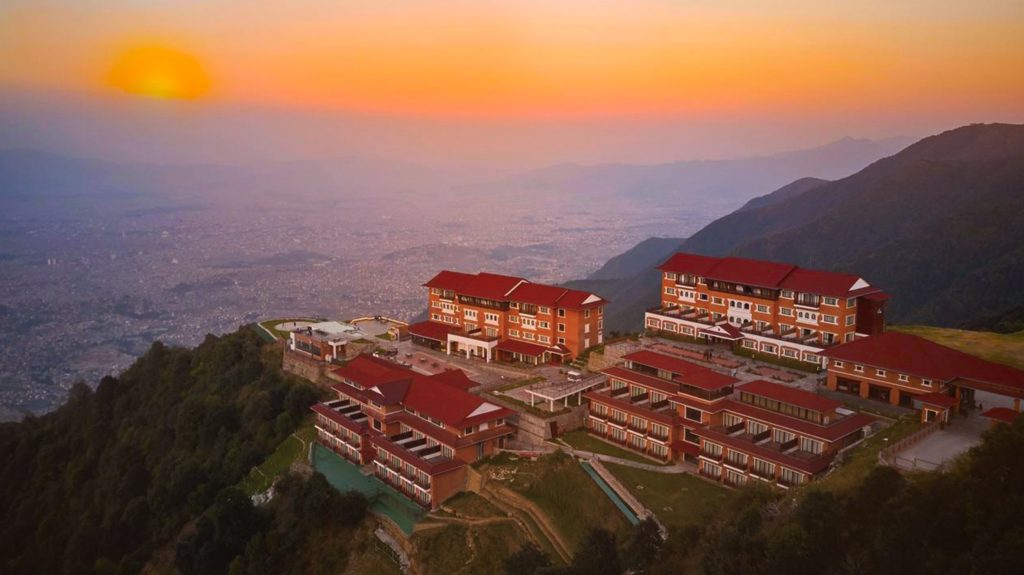
Beyond transportation, the company has developed multiple complementary tourism and hospitality services that diversify revenue generation. The project includes a 100-room boutique resort, adventure activities such as zipline rides, wall climbing, giant swings, and access to a site carrying deep religious and historical significance at the top station. This diversified business model reduces dependence on a single revenue source and provides resilience during periods when one segment underperforms. ICRA Nepal emphasized that this diversified project structure remains a major strength supporting the company’s long-term outlook.
Tourist Inflow Recovery Supports Business Prospects
Another encouraging factor behind the reaffirmed rating is Nepal’s improving tourism environment. The gradual increase in tourist arrivals has supported Chandragiri Hills’ long-term growth prospects. The company has successfully built a strong domestic visitor base while also attracting a growing number of international tourists. According to the rating report, foreign and SAARC visitors accounted for approximately 26 percent of total visitors in fiscal year 2025, compared with around 23 percent in fiscal year 2024.
International visitors generally pay premium rates compared with domestic travelers, helping improve revenue stability and profit margins. This growing foreign tourist share demonstrates Chandragiri Hills’ increasing recognition as an important destination among international travelers visiting Nepal. With Nepal’s tourism industry gradually regaining momentum, analysts expect this visitor growth trend to continue benefiting the company’s operational recovery.
IME Group Promoters Provide Strong Institutional Support
The company’s ownership structure also remains an important factor supporting investor confidence. Chandragiri Hills is promoted primarily by individuals affiliated with IME Group, one of Nepal’s largest and most diversified corporate groups with operations spanning remittance services, financial institutions, energy, tourism, travel, entertainment, and trading sectors. Among the major shareholders, Mr. Hem Raj Dhakal remains the largest shareholder with approximately 19.2 percent ownership, followed by Mr. Uttam Kumar Nepal holding around a 12.8 percent stake.
Other major shareholders include Mr. Chandra Prasad Dhakal, Mr. Ambika Prasad Paudel, Mr. Kalyan Gurung, and Bhat-Bhateni Supermarket, among others. The association with experienced promoters and a strong corporate background gives Chandragiri Hills improved access to capital and stronger institutional backing during financially challenging periods. Additionally, the company’s public listing on the Nepal Stock Exchange provides further financial flexibility through future equity fundraising options.
Operational Performance Weakens During Fiscal Year 2026
Despite positive rating action, ICRA Nepal highlighted several concerns that continue to restrict a stronger rating upgrade. The most immediate concern remains weakened operational performance during the first nine months of fiscal year 2026, directly caused by damages suffered during September 2025 protests. Revenue during 9MFY2026 declined by approximately 28 percent year-on-year, falling sharply to NPR 456 million, compared with significantly stronger performance in previous periods. Profitability also deteriorated substantially. The company’s Operating Profit Margin (OPM) dropped to 39.4 percent, compared with 52 percent during the same period in FY2025.
The shutdown of cable car services not only reduced transportation revenue but also negatively impacted resort occupancy. The hotel occupancy rate fell significantly to around 22 percent during 9MFY2026, compared with 36 percent occupancy during the previous year. These disruptions ultimately pushed the company into a net loss position of NPR 9 million, reversing profits recorded in earlier years. Although debt restructuring reduced immediate financial stress, the rating agency noted that profitability recovery remains an important factor to monitor.
Rising Competition In Kathmandu Hospitality Sector Creates Pressure
Another concern identified by ICRA Nepal is growing competition within Nepal’s hospitality market, especially around Kathmandu. Chandragiri Hills operates a 100-room boutique resort, but unlike many emerging competitors, the property is not affiliated with an internationally recognized hotel brand. This creates competitive disadvantages as Kathmandu increasingly sees expansion of new hotels connected to established international hospitality chains.
Nepal’s hotel industry has become more fragmented in recent years, with several new luxury and mid-range properties entering the market. Established hotels often operate with lower debt burdens and stronger brand recognition, allowing them to compete aggressively on pricing. As a result, Chandragiri Hills may face future pricing pressures that could impact occupancy rates and profitability growth. The company’s relatively short operational history, full-scale operations beginning only in September 2020, further limits its ability to demonstrate long-term resilience across changing economic cycles.
Tourism Industry Risks Continue To Influence Future Outlook
ICRA Nepal also warned that Chandragiri Hills remains exposed to broader structural risks affecting Nepal’s tourism industry. Tourism remains a highly cyclical sector vulnerable to economic slowdowns, inflationary pressure, geopolitical tensions, and fluctuations in discretionary consumer spending. Rising international air ticket costs and uncertain global economic conditions could negatively impact foreign tourist arrivals in Nepal.
The industry is also strongly seasonal. Peak tourism activity typically occurs during April to June and September to November, meaning businesses often face uneven cash flow patterns during off-season months. Because Chandragiri Hills currently lacks short-term borrowing facilities, managing liquidity during low-revenue periods remains an important challenge. The company’s Net Working Capital to Operating Income ratio surged sharply to approximately 41 percent, indicating tighter liquidity conditions following the operational disruption. ICRA Nepal emphasized that maintaining adequate liquidity buffers will remain crucial for sustaining future operational stability.
Key Financial Indicators Reflect Mixed Performance Trend
A review of Chandragiri Hills’ financial performance over recent years shows a generally improving long-term trend, although fiscal year 2026 reflects temporary weakness. Operating income increased steadily from NPR 669 million in FY2022 to NPR 1 billion in FY2024, before slightly moderating to NPR 902 million in FY2025. Profit after tax improved dramatically from NPR 17 million in FY2022 to NPR 200 million in FY2024, before settling at NPR 187 million in FY2025.

However, the first nine months of FY2026 showed a temporary setback, with the company recording a loss of NPR 9 million. Debt servicing metrics also weakened. Interest coverage ratio fell to 1.8 times, while Total Debt to OPBDITA increased sharply to 8.2 times, reflecting reduced earnings capacity during the disruption period. Although these indicators reflect temporary weakness, analysts expect gradual recovery as operations normalize.
Future Performance Will Determine Next Rating Action
Looking ahead, ICRA Nepal stated that Chandragiri Hills’ ability to restore revenue growth and profit margins amid increasing competition will remain the most important factor influencing future rating actions. The company’s execution of its proposed rights share issue and debt reduction strategy will also remain closely monitored.
If Chandragiri Hills successfully deleverages while restoring operational momentum, the company could strengthen its credit profile further. However, prolonged earnings weakness or inability to compete effectively within Nepal’s growing hospitality sector could create future rating pressure. For now, the reaffirmation of the BB+ rating and removal from negative watch sends a positive message that the company has successfully navigated a major operational crisis and is steadily moving toward financial recovery