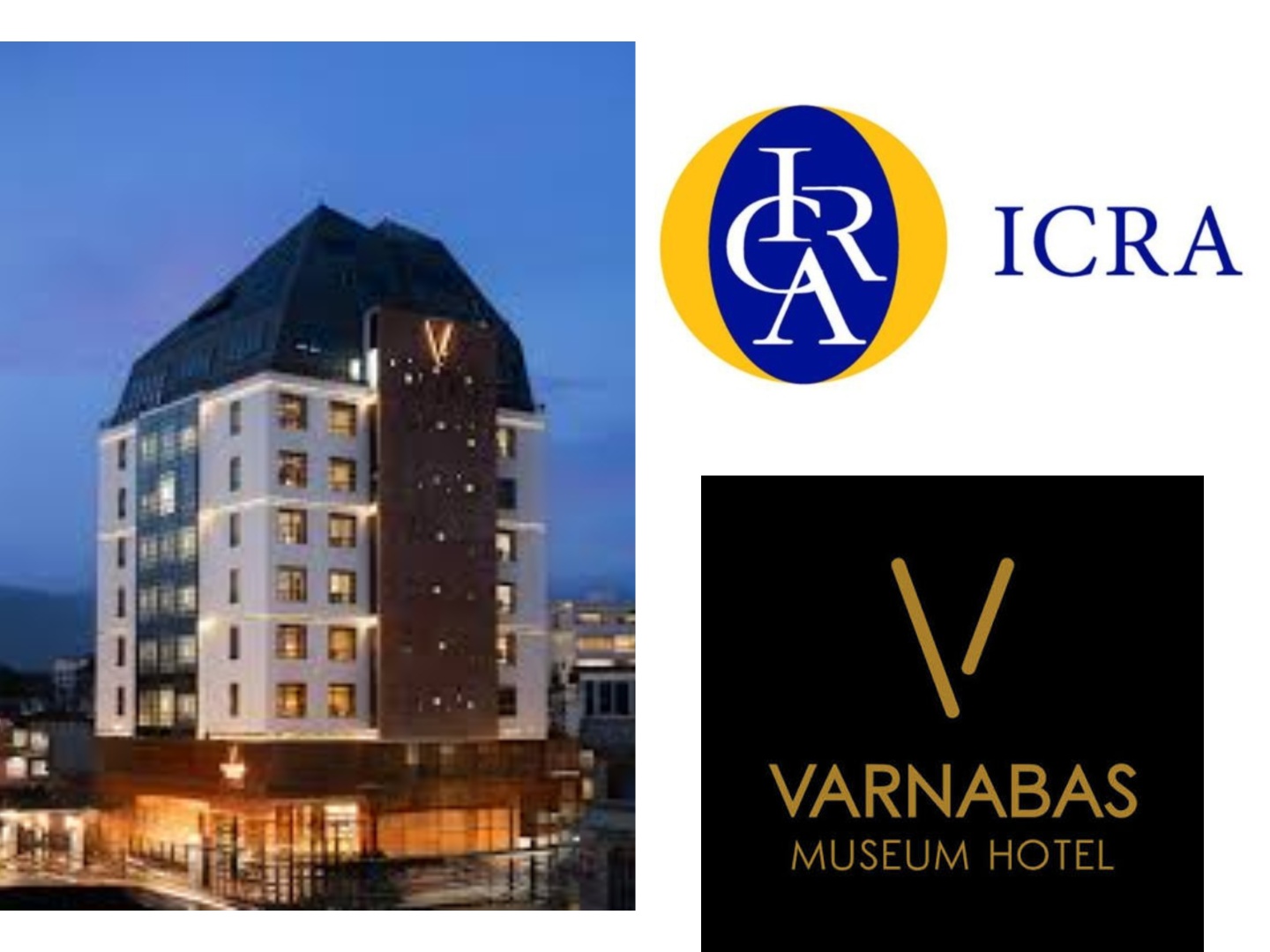
Varnabas Museum Hotel Limited has had its credit ratings officially withdrawn by ICRA Nepal Limited after the company failed to cooperate during the mandatory ratings surveillance process. The rating withdrawal decision was formally announced by ICRA Nepal on June 11, 2026, marking a significant development for the recently launched luxury hospitality company operating in Nepal’s high-end tourism sector.
According to the latest rating action, ICRA Nepal has withdrawn both Varnabas Museum Hotel Limited’s long-term loan rating of [ICRANP] LC+ (Issuer Not Cooperating) and its short-term loan rating of [ICRANP] A4 (Issuer Not Cooperating). Before withdrawal, the company had total rated facilities amounting to approximately NPR 1.04 billion, including NPR 965.95 million under long-term loan facilities and NPR 80 million under short-term loan limits.
The withdrawal was carried out under Nepal’s Credit Rating Regulations 2011 after repeated attempts by the rating agency to obtain financial and operational information from the company for periodic surveillance failed to produce sufficient cooperation from management. The decision effectively removes the company from active credit rating coverage under ICRA Nepal.
Repeated Non-Cooperation Triggered Rating Withdrawal Decision
ICRA Nepal stated that the primary reason behind the withdrawal was Varnabas Museum Hotel Limited’s continued failure to provide necessary information required for ongoing rating surveillance. As part of standard regulatory requirements, rating agencies regularly monitor companies after issuing ratings to ensure that their financial condition, operational performance, and creditworthiness remain consistent with previously assigned ratings. According to ICRA Nepal, the agency had repeatedly sought updated operational and financial information from Varnabas Museum Hotel Limited over an extended period.

However, despite multiple follow-ups, the company remained only partially cooperative and failed to provide comprehensive information required for the surveillance process. Before taking the final withdrawal decision, ICRA Nepal had already placed the ratings under “Notice for Withdrawal” for six months, providing the company with an opportunity to cooperate and restore the normal surveillance process. Even during this extended notice period, however, Varnabas Museum Hotel Limited reportedly continued showing limited cooperation, ultimately forcing the agency to withdraw the ratings entirely.
Withdrawal Does Not Necessarily Indicate Higher Credit Risk
ICRA Nepal clarified that the rating withdrawal should not automatically be interpreted as a deterioration in the company’s financial condition or increased default risk. The agency specifically stated that it currently has no information suggesting that Varnabas Museum Hotel Limited’s credit risk has materially changed since the ratings were last reviewed. Instead, the withdrawal purely reflects the inability of the rating agency to continue independently assessing the company’s financial and operational position due to insufficient access to required information.
Under credit rating regulations, agencies can only maintain active ratings when companies regularly provide necessary disclosures that allow independent monitoring of their performance. Without access to updated information, the rating agency cannot guarantee that previously assigned ratings remain accurate or representative of the company’s actual financial condition. As a result, regulatory compliance required the ratings to be withdrawn.
Credit Rating Surveillance Is Mandatory Under Regulatory Framework
ICRA Nepal emphasized that rating withdrawal decisions follow strict regulatory guidelines established under Nepal’s credit rating framework. Under the Credit Rating Regulations 2011 and ICRA Nepal’s internal Withdrawal and Suspension Policy, the agency is required to regularly evaluate whether sufficient information remains available to justify maintaining an active credit rating. As part of its agreement with rated companies, ICRA Nepal conducts periodic reviews designed to monitor operational performance, debt obligations, liquidity position, profitability trends, and overall creditworthiness.
When a company repeatedly fails to provide adequate information, rating agencies are required to either suspend or withdraw ratings depending on the severity and duration of non-cooperation. In the case of Varnabas Museum Hotel, ICRA Nepal concluded that the prolonged lack of cooperation made continued surveillance impossible, leaving rating withdrawal as the only regulatory option available. The agency has stated that its decision fully complies with both national regulations and internal credit rating policies.
Financial Analysis and Rating Drivers Not Included After Withdrawal of Varnabas Museum Hotel Limited
Because the ratings have now been officially withdrawn, ICRA Nepal confirmed that it has not published any updated financial analysis, rating sensitivities, financial indicators, or key rating drivers normally included in standard rating reviews. Typically, rating reports include a detailed evaluation of company revenues, profitability margins, debt obligations, liquidity position, operational risks, and future rating outlook.
However, in this case, due to insufficient cooperation from management, the agency stated that it was unable to gather the necessary data required to perform a proper financial review. As a result, investors, lenders, and market observers currently have no updated independent credit assessment available regarding the company’s latest financial condition. The last available rating review for Varnabas Museum Hotel Limited was issued in December 2025, when the ratings were already marked under Issuer Not Cooperating status. The June 2026 announcement now formally ends the company’s credit rating coverage under ICRA Nepal.
Varnabas Museum Hotel Represents Unique Luxury Hospitality Concept in Nepal
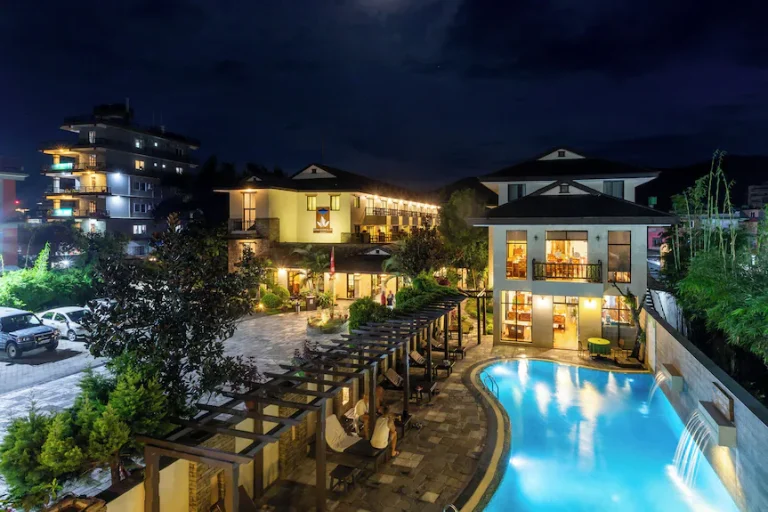
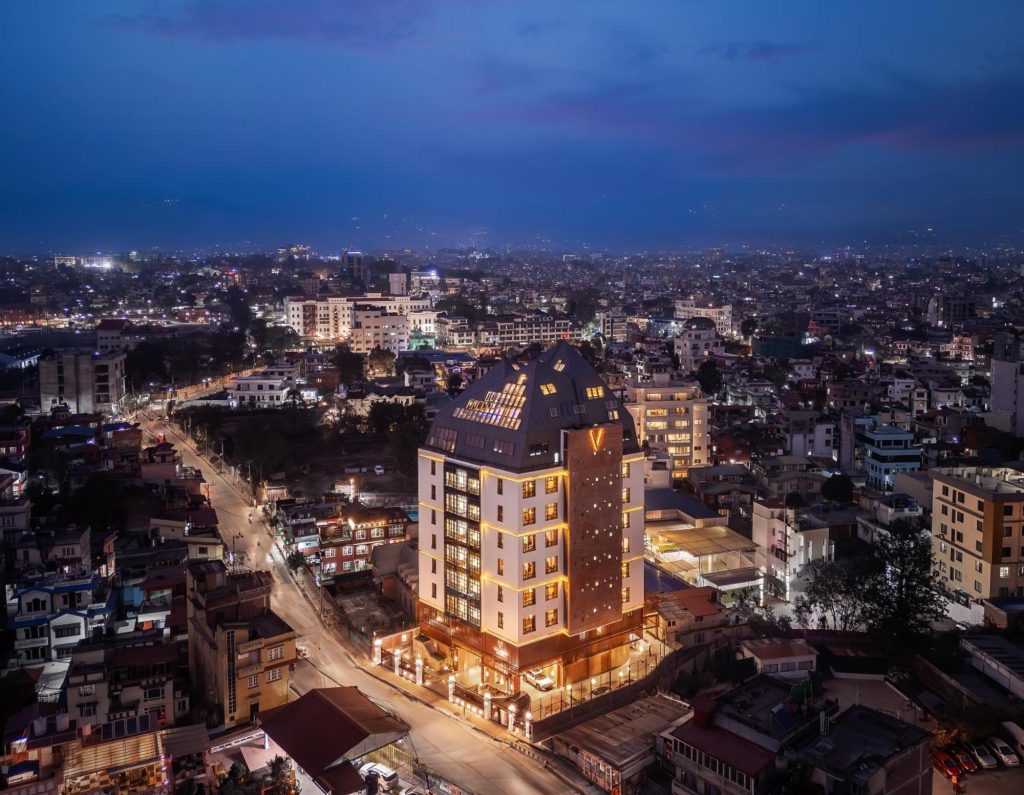
Despite the recent rating withdrawal, Varnabas Museum Hotel Limited remains one of Nepal’s more unique hospitality ventures within the premium tourism sector. The company was originally incorporated in June 2018 as a private limited company before later converting into a public limited company in August 2024. The hotel project officially began commercial operations in February 2024 and was developed as a Special Purpose Vehicle (SPV) specifically created to own and operate a luxury five-star hotel property.
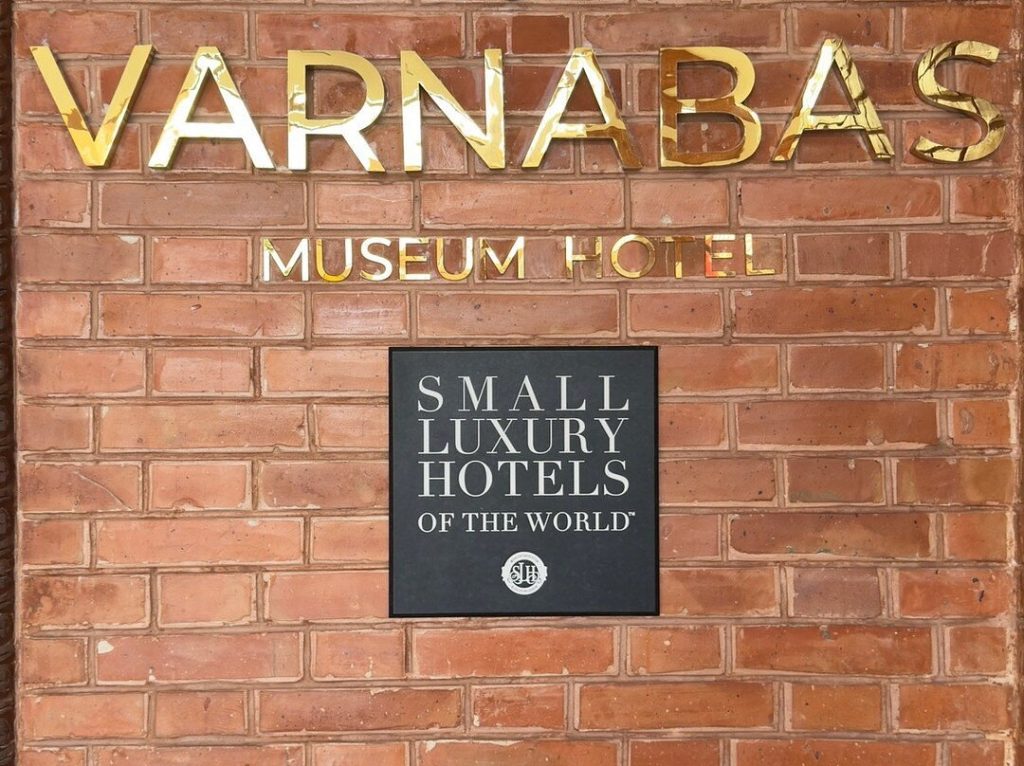
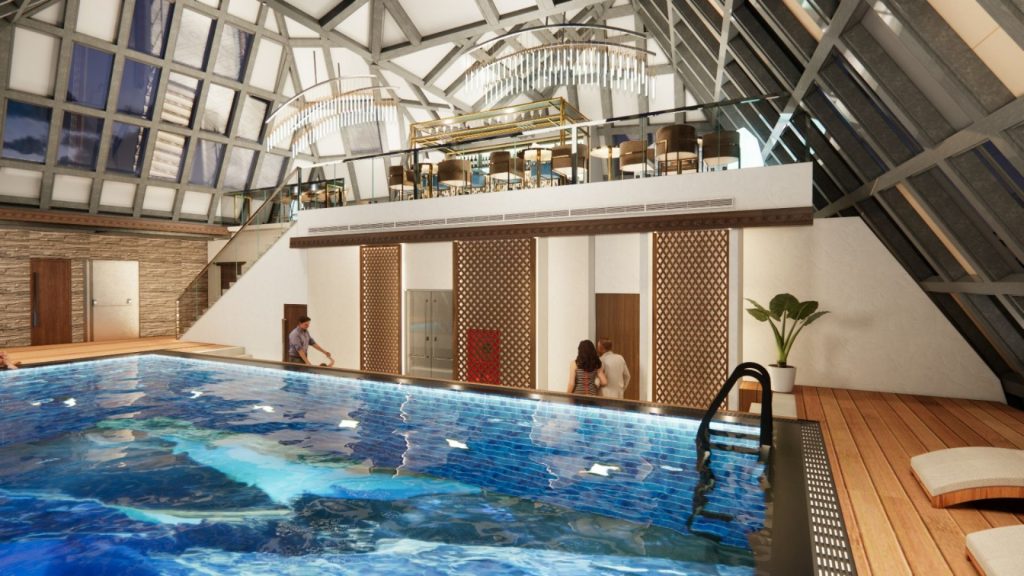
What makes the project particularly distinctive is its concept-based hospitality design centered around Nepal’s rich ethnic diversity. The hotel has been developed under a museum-style concept in which different floors represent the culture, lifestyle, traditions, and artifacts associated with various ethnic communities of Nepal, locally referred to as “Varnas.” This concept positions the hotel not only as a luxury accommodation provider but also as a cultural tourism destination aimed at offering guests an immersive experience reflecting Nepal’s multicultural identity.
Tourism Entrepreneur Rajendra Bajgain Leads Project Development
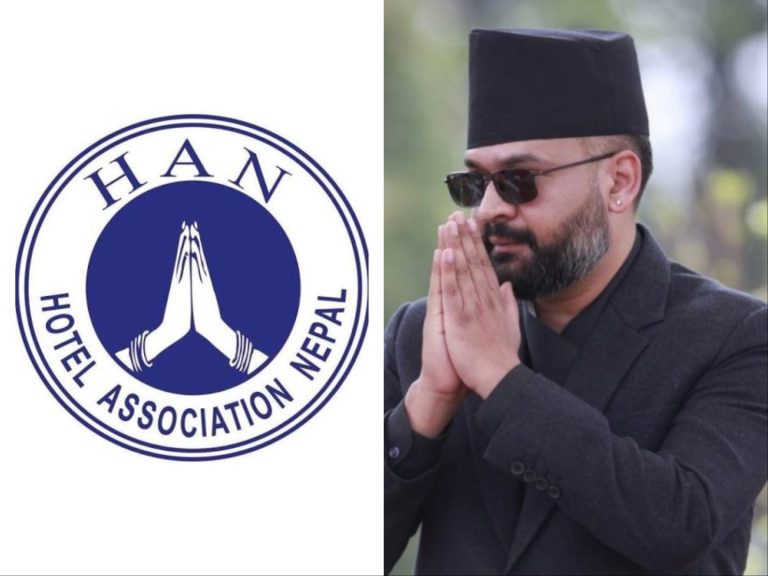
The hotel project is primarily associated with Rajendra Bajgain, Varnabas Museum Hotel Limited’s major shareholder and a tourism entrepreneur with over 20 years of experience in Nepal’s tourism sector. According to company information provided in previous rating reports, this represents Bajgain’s first hotel development project, marking his expansion into Nepal’s luxury hospitality market after years of involvement in tourism-related business activities.
The project had initially attracted attention because of its innovative cultural tourism concept and ambition to enter Nepal’s premium hotel market at a time when the country has been increasingly promoting high-value tourism experiences. However, as a relatively new business that only began operations in early 2024, the company remains in its early operational phase and likely faces the typical challenges associated with establishing a new hospitality venture. The absence of updated financial disclosures now creates uncertainty regarding the project’s current operational and financial performance.
Rating Withdrawal of Varnabas Museum Hotel Limited May Raise Concerns Among Investors and Lenders
Although ICRA Nepal clarified that the withdrawal does not automatically signal worsening credit risk, the development could raise questions among financial institutions and potential investors regarding transparency and disclosure practices. Credit ratings serve as an important third-party evaluation mechanism for lenders and investors seeking independent assessments of a company’s financial stability.
When ratings are withdrawn due to non-cooperation, market participants often lose an important source of independent financial verification. For companies operating in capital-intensive sectors such as luxury hospitality, maintaining transparent communication with lenders and rating agencies is generally considered essential for preserving market confidence. The absence of active credit ratings may make future financing decisions more complicated, particularly if the company seeks additional borrowing for expansion or operational support.

Nepal Hospitality Sector Faces Increasing Competition and Financing Pressure
The rating withdrawal also comes at a time when Nepal’s hospitality sector is experiencing rapid expansion and increasing competition. Over recent years, multiple luxury hotels and internationally branded hospitality projects have entered Nepal’s tourism market, particularly in major tourism centers such as Kathmandu and other high-demand destinations.
This competitive environment has increased pressure on new hotel operators to establish strong occupancy rates while managing substantial operational and financing costs. For newly launched hospitality ventures like Varnabas Museum Hotel, maintaining strong financial discipline and transparent investor communication becomes especially critical during early operational years. The company’s future financial outlook will now depend largely on how effectively it manages operational growth and whether it chooses to restore external credit rating coverage in the future.
Market Awaits Greater Transparency From Company Management
Following the withdrawal decision, market attention may increasingly shift toward whether Varnabas Museum Hotel Limited decides to re-engage with credit rating agencies and improve transparency regarding its financial and operational performance. ICRA Nepal has indicated that the rating withdrawal stems purely from non-cooperation rather than known financial deterioration. However, without independent monitoring, stakeholders currently have limited visibility into the company’s present financial position.
As Nepal’s tourism sector continues growing and luxury hospitality investment accelerates, maintaining transparency and credibility will remain critical for companies seeking long-term investor confidence. For now, the withdrawal of both long-term and short-term credit ratings represents a cautionary signal regarding disclosure practices rather than confirmed financial distress.