Nepal’s national flag carrier, Nepal Airlines, officially marked its 68th anniversary on July 1, 2026, celebrating nearly seven decades of service in connecting Nepal’s mountainous landscape with the world while playing a historic role in the country’s aviation development.
Originally established as Royal Nepal Airlines Corporation (RNAC) on July 1, 1958, the airline began commercial flight operations just two days later on July 3, 1958, becoming Nepal’s first national airline and laying the foundation for modern aviation in the country. Over the decades, Nepal Airlines has evolved through major transformations, fleet modernization, political changes, and expanding international connectivity, while continuing to serve as one of the country’s most important public institutions.

The Beginning of Nepal’s Aviation Journey in 1958
Nepal Airlines was formally incorporated through the enactment of the Nepal Airlines Corporation Act, 2019 (1958 AD) with the primary objective of providing air transport services for passengers, cargo, and essential materials both within Nepal and internationally.
The airline officially started its operations with a 28-seat Douglas DC-3 Dakota aircraft, marking the beginning of organized commercial aviation in Nepal. In its early days, the airline served three domestic destinations, Simara, Pokhara, and Biratnagar, while gradually launching international services to Delhi, Patna, and Calcutta, creating Nepal’s first air links with neighboring countries. At a time when road connectivity across Nepal remained extremely limited, the establishment of Nepal Airlines represented a crucial step in connecting remote regions and integrating the country’s transportation network.
Expansion and Growth During the 1960s and 1970s
As air travel demand increased, Nepal Airlines began expanding its fleet during the 1960s and 1970s to meet both domestic and international requirements. The airline introduced aircraft such as the Swiss Pilatus Porter, the Chinese-built AN-2 (Feng Shou-2), and the Fokker Friendship F-27, all of which were particularly useful for Nepal’s challenging geography and short take-off and landing operations in mountainous airports.
A major milestone came in 1972, when Nepal Airlines entered the jet era by acquiring its first Boeing 727 aircraft, significantly improving speed, passenger capacity, and international connectivity. Later, the airline further expanded its long-haul capabilities with the addition of Boeing 757 aircraft, allowing operations to larger international destinations and strengthening Nepal’s presence in regional aviation.
Transition Through Political Change and Rebranding
For nearly five decades, the airline operated under the name Royal Nepal Airlines Corporation (RNAC), reflecting Nepal’s constitutional monarchy system. However, following Nepal’s political transformation and the abolition of the monarchy in 2006, the airline underwent a historic rebranding.

The word “Royal” was officially removed, and the carrier was renamed Nepal Airlines Corporation (NAC), symbolizing the country’s transition to a federal democratic republic. The rebranding marked a new era for the airline as it sought to modernize operations and redefine its role in a changing aviation landscape.
Fleet Modernization and the Airbus Era
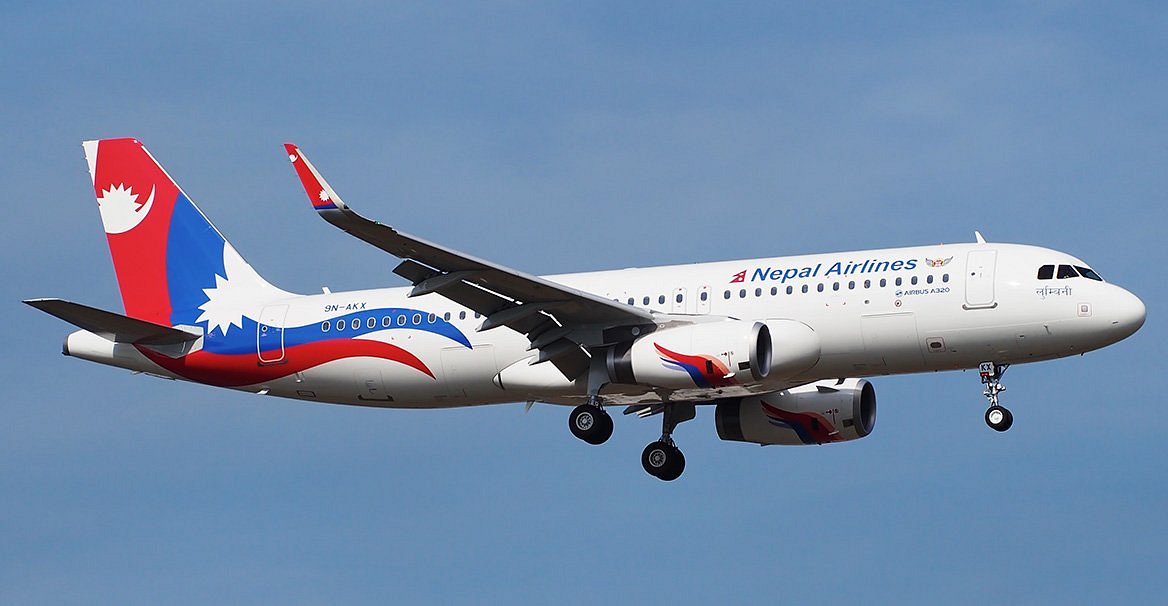
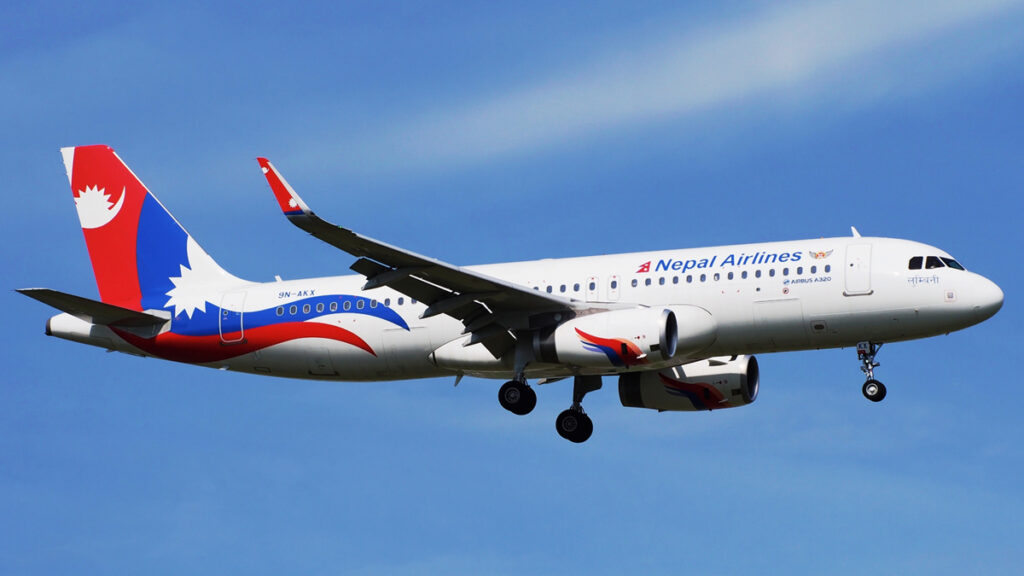
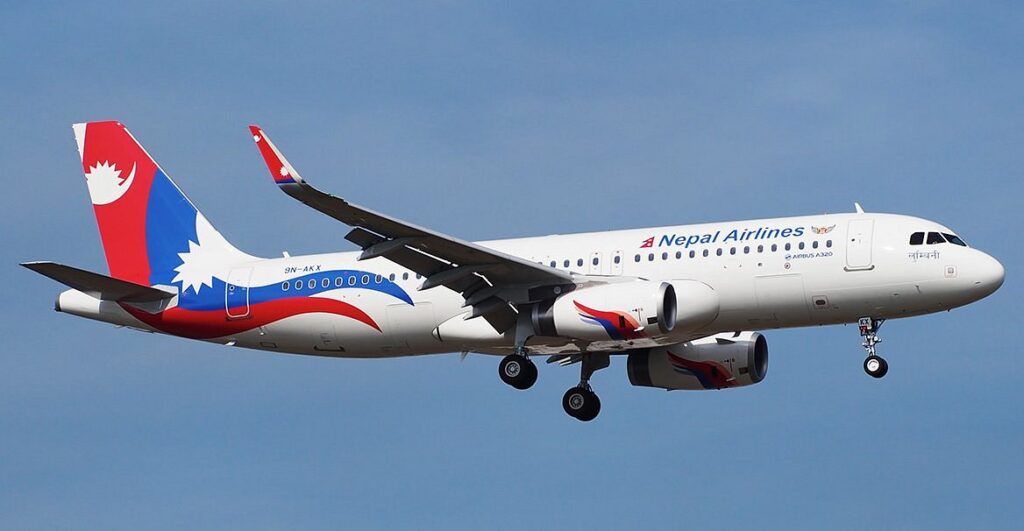
One of the biggest turning points in Nepal Airlines’ recent history came during the 2015–2018 modernization period, when the airline upgraded its aging fleet with modern Airbus aircraft. In 2015, the carrier acquired two Airbus A320 narrow-body aircraft, significantly improving regional and international operations and replacing older aircraft that had served the airline for decades.
This modernization effort continued in 2018 when Nepal Airlines added two Airbus A330-200 wide-body aircraft, enabling long-haul operations with improved passenger comfort and expanded capacity. The acquisition of the Airbus fleet marked one of the most significant investments in Nepal Airlines’ history and strengthened its competitiveness in the international aviation market.
Current Operations Connecting Nepal to Asia and the Middle East
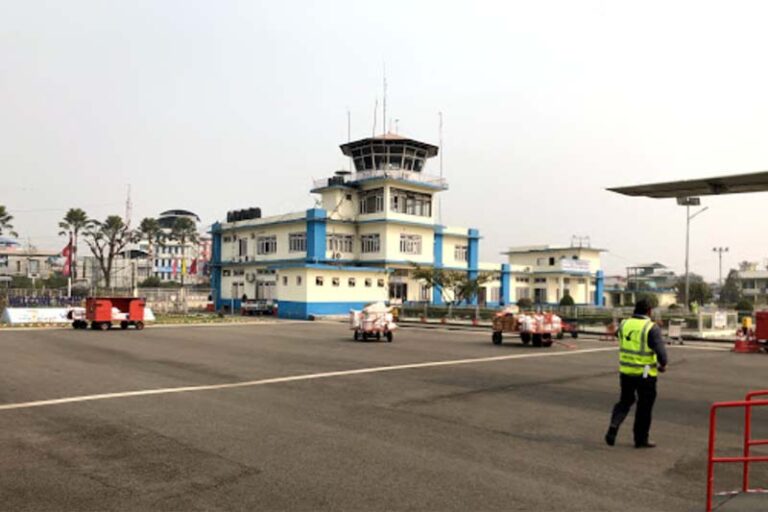
Today, Nepal Airlines operates its international services primarily from its hub at Tribhuvan International Airport, the country’s main international gateway. Its international fleet currently consists of two Airbus A330-200 wide-body aircraft and two Airbus A320 narrow-body aircraft, serving destinations across Asia and the Middle East.
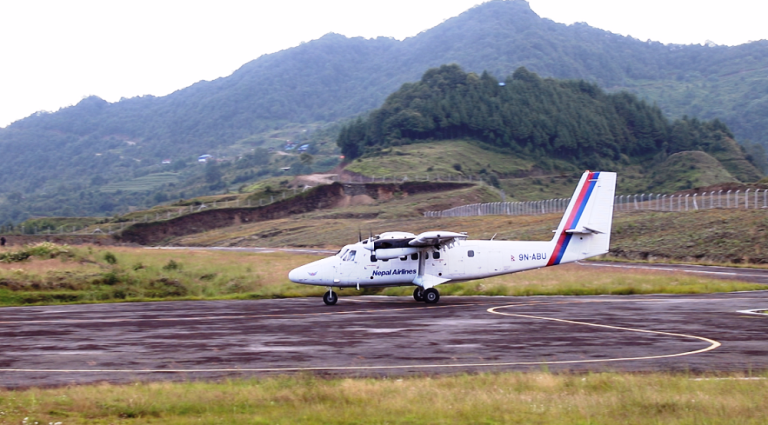
The airline currently operates international flights to major destinations in India, Japan, Qatar, Malaysia, and Saudi Arabia, connecting Nepal to key tourism, labor, and business markets. For domestic operations, particularly to Nepal’s remote and mountainous regions where larger aircraft cannot operate, the airline relies on Twin Otter turboprop aircraft, which continue to provide vital air connectivity to some of the country’s most geographically isolated communities.

A Symbol of National Pride and Connectivity
For 68 years, Nepal Airlines has remained far more than simply an airline. It has served as a symbol of Nepal’s national identity while playing a critical role in tourism development, trade facilitation, emergency transportation, and connecting remote mountain communities with urban centers.
Despite facing operational challenges, competition from private carriers, and fleet limitations in recent years, Nepal Airlines continues to represent Nepal on the international aviation stage. As the national flag carrier celebrates its 68th anniversary, the milestone serves as a reminder of a remarkable journey that began with a single Dakota aircraft in 1958 and evolved into a modern airline connecting Nepal with the wider world, carrying with it the pride, history, and aspirations of the nation.