The increasing number of Indian pilgrims traveling to Nepal’s renowned Muktinath Temple is creating a positive ripple effect across Baglung district, where religious and tourism destinations are witnessing growing visitor numbers. Tourists returning from Muktinath are increasingly extending their journeys to visit prominent sites such as the Baglung Kalika Temple, Shaligram Museum, and Panchakot, strengthening Baglung’s position as an emerging religious tourism hub.
The trend has gained momentum following the operation of the Kaligandaki Corridor road connecting Bhairahawa to Muktinath, making travel more convenient for pilgrims. Additionally, tourists visiting Pokhara are increasingly choosing to explore nearby religious and cultural attractions in Baglung, resulting in a noticeable rise in Indian guests staying at local hotels and lodges.

Religious Circuit Concept Gains Support
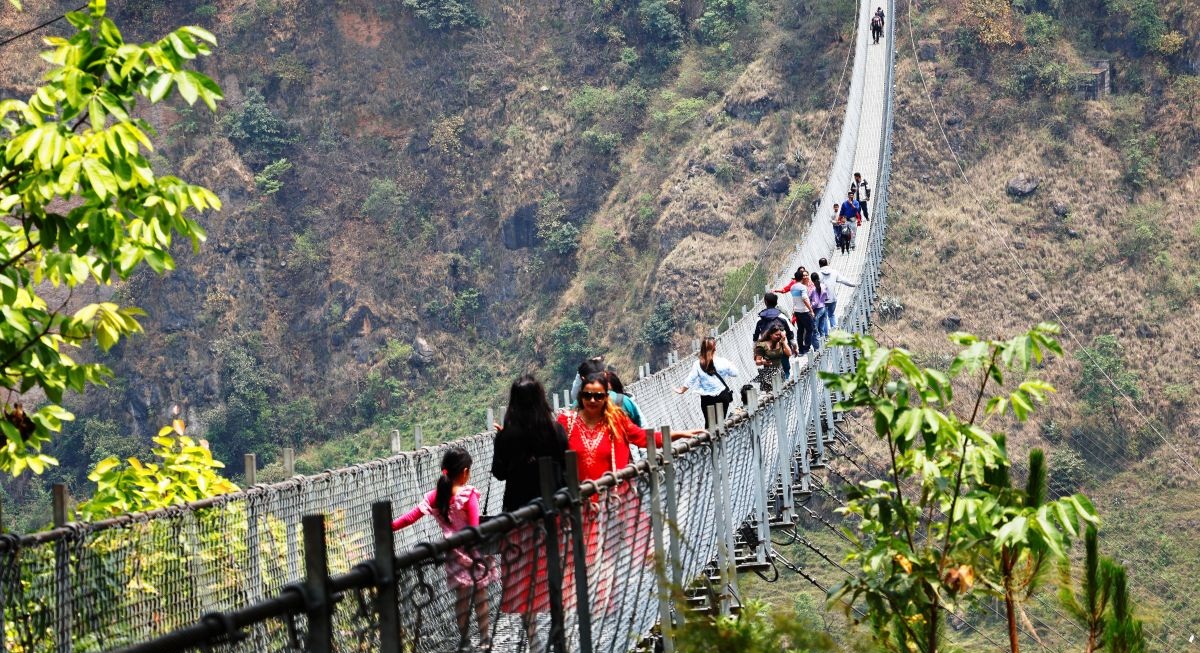
Indian pilgrim Ashutosh Namad, who recently visited Baglung after completing his Muktinath pilgrimage, shared videos of Baglung Kalika Temple, the Shaligram Museum, Panchakot, and the iconic suspension bridge over the Kaligandaki River on TikTok and other social media platforms. He emphasized the need to promote Muktinath and Baglung’s sacred sites as a unified religious tourism circuit, arguing that such an initiative could attract larger numbers of pilgrims from India and beyond.
Shaligram Museum Emerges as Major Attraction
Among Baglung’s growing list of attractions, the Shaligram Museum has become a significant draw for visitors. Indian pilgrim Balkrishna Acharya from Ayodhya expressed amazement after visiting the museum. “At home, we worship one or two Shaligrams, but here we had the opportunity to witness an entire museum dedicated to these sacred stones,” he said. “We will promote this destination and encourage more pilgrims to visit.”
The museum houses approximately 115,000 Shaligrams displayed systematically inside a 150-meter-long tunnel. Shaligrams, considered sacred manifestations of Lord Vishnu in Hindu tradition, are found exclusively in the Kaligandaki River. The museum was established to conserve these rare stones, which are becoming increasingly scarce due to river extraction and environmental pressures.
Thousands of Indian Visitors Every Year
According to Rishi Prapannacharya, curator of the Shaligram Museum, formal visitor records are not maintained, but the museum is estimated to attract around 100,000 visitors annually. Of these, more than 30,000 are believed to be Indian tourists.
Established seven years ago, the museum has become a preferred stop for many pilgrims returning from Muktinath. Visitors from Indian states such as Kerala, Andhra Pradesh, and Gujarat regularly include Baglung in their pilgrimage itineraries. Prapannacharya noted that in recent years, several prominent Indian artists, business leaders, and promotional tourism groups visiting Nepal have also started including Baglung among their travel destinations.
Spiritual Experience Attracts Pilgrims
Madhav Haridas from Mayapur, India, described his visit to the Shaligram Museum as a deeply spiritual experience. “I have traveled to many places around the world, but this is the first time I have had the opportunity to witness so many Shaligrams in a single location,” he said, adding that the visit brought him a profound sense of peace and devotion.
To accommodate pilgrims who prefer vegetarian meals, local hotels and the Muktinath Veda Vidyashram Ashram provide lodging and food services tailored to their needs. Most Indian visitors travel to Nepal on pilgrimage packages lasting seven to ten days and typically spend one to one-and-a-half days in Baglung while visiting the district’s religious landmarks.
Baglung’s Historic Sites Gain Wider Recognition
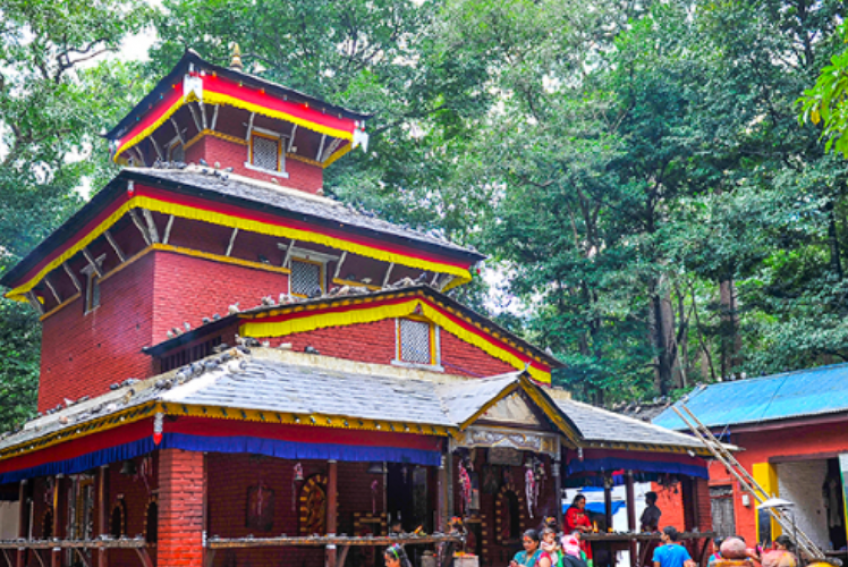
The nearly 500-year-old Baglung Kalika Temple and the Panchakot religious complex have emerged as key attractions for domestic and international visitors alike. Interest in the Kaligandaki Civilization and the region’s rich religious heritage is also increasing.
According to Baglung Municipality Deputy Mayor Raju Khadka, a growing number of tourists are visiting the district to learn about the cultural and spiritual significance of the Kaligandaki River and its surrounding civilization. Indian pilgrims are increasingly adding the Shaligram Museum to their Nepal pilgrimage routes alongside established destinations such as Janakpur, Lumbini, Pashupatinath Temple, and Muktinath Temple.
Government Plans Religious Tourism Circuit
Further optimism has been generated by the Gandaki Provincial Government’s announcement of plans to develop a formal religious tourism circuit linking Muktinath, Baglung Kalika Temple, and Panchakot. The initiative, included in the provincial budget, aims to strengthen religious tourism infrastructure and promote integrated pilgrimage experiences. Tourism stakeholders believe the project could significantly enhance visitor numbers and extend tourist stays across the region.

Tourism Seen as Key to Local Prosperity
Rajan Kumar Shakya, President of the Baglung Chamber of Commerce and Industry, described tourism as a cornerstone of local economic development. “When tourist arrivals increase, demand for local products rises, benefiting farmers, entrepreneurs, and communities throughout the district,” he said.
He added that local governments and the private sector are working together to create a more tourist-friendly environment through improved cleanliness, better services, and the development of food and hospitality offerings tailored to visitor preferences.
With improved connectivity, unique religious attractions, and growing recognition among Indian pilgrims, Baglung is steadily emerging as an important destination within Nepal’s expanding religious tourism landscape.