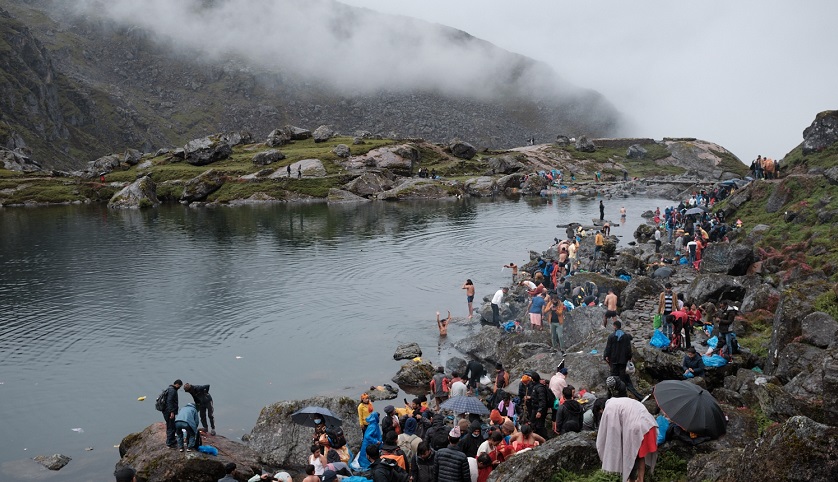
Authorities in Rasuwa are stepping up preparations for the annual Gosainkunda pilgrimage during Janai Purnima, with a network of medical camps planned along the challenging mountain route to protect the health and safety of thousands of visitors expected to make the journey. The initiative comes as pilgrims from different parts of Nepal, along with devotees from India, prepare to travel to the sacred alpine lake for ritual bathing and worship. Beyond its religious importance, the annual pilgrimage represents a significant period of visitor activity for Rasuwa, bringing increased demand for transportation, accommodation, food services, local guides and other tourism-related businesses along the route.
A safer pilgrimage route from Dhunche to Gosainkunda
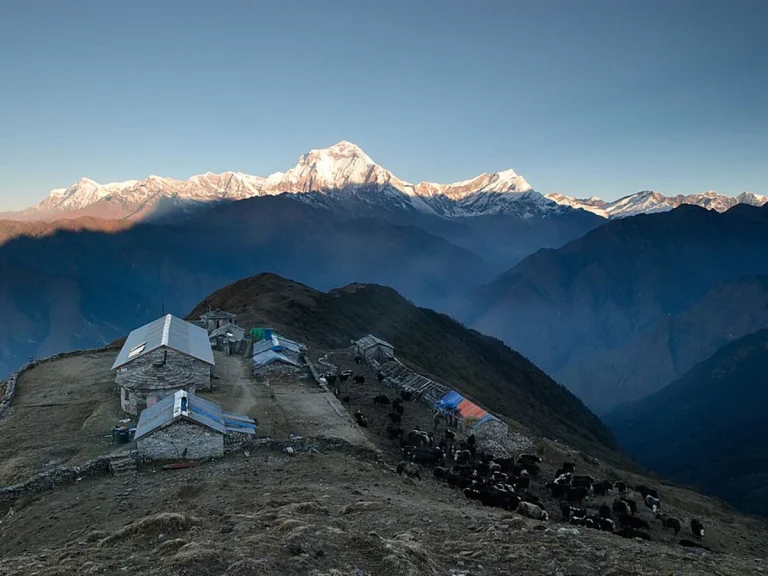
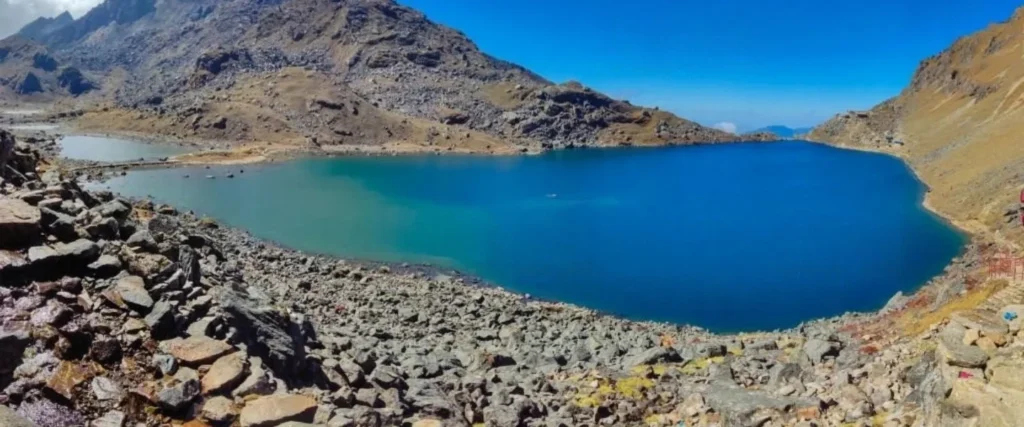
The authorities have planned four main health camps at Dhunche, Cholangpati, Lauribinayak and Gosainkunda, creating a chain of medical support points between the entry area and the final pilgrimage destination. An additional health desk will also operate at Chandanbari. The arrangement is particularly important because reaching Gosainkunda is not a conventional sightseeing trip; visitors must negotiate steep uphill sections, changing weather conditions, cold temperatures and increasingly thin air as they climb toward the lake, which sits at approximately 4,380 meters above sea level.
Rasuwa Public Health Officer Nirdhwaj Ghartimagar said the preparations were being made with the understanding that religious devotion should be accompanied by appropriate attention to health and personal safety. For many visitors, particularly those who are unfamiliar with high-altitude environments, the physical demands of the journey can be considerable. By placing medical teams at strategic points along the route, authorities hope to assist before minor health problems develop into serious emergencies and give pilgrims greater confidence while undertaking the journey.

Medical support begins at the gateway to the pilgrimage
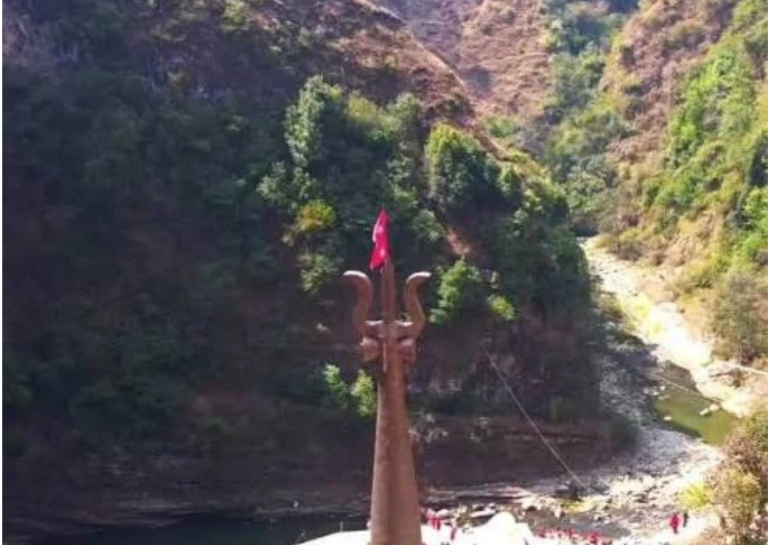
The first health screening will be provided in the Shiva Temple area, which is regarded as an important entry point for pilgrims beginning their journey toward Gosainkunda. Medical personnel from Rasuwa Hospital and Ayurveda services will conduct health examinations, provide consultation, and distribute necessary medicines. Starting medical support at the lower section of the route is particularly valuable because it gives health workers an opportunity to identify visitors who may already be experiencing health difficulties before they continue toward higher elevations.
The arrangement also strengthens the overall visitor management system around the pilgrimage route. Rather than concentrating medical services only at Gosainkunda, health authorities are creating multiple points where pilgrims can receive advice, first aid and treatment. This approach can help reduce the pressure on facilities at the destination itself while ensuring that visitors have access to assistance throughout different stages of their journey.
Nepal Army expands emergency support along the route
The Nepal Army’s Shri Shreenath Battalion will operate a medical camp at Cholangpati with doctors and other medical personnel. In addition to the Cholangpati facility, the battalion will establish a health desk at Chandanbari, where pilgrims can receive health screening and primary treatment. The additional facility is important because Chandanbari is part of the route used by visitors travelling toward the higher sections of the pilgrimage trail.
At Lauribinayak, Gosainkunda Rural Municipality will operate another health camp, while the Himalayan Rescue Association will provide medical services at Gosainkunda itself. The involvement of several government security and tourism support organizations creates a coordinated safety network covering different parts of the route. For a destination that experiences a sharp increase in visitor numbers during Janai Purnima, such coordination is essential for maintaining a safe and manageable pilgrimage environment.
High altitude makes visitor safety a major concern
The health preparations are particularly significant because Gosainkunda lies at around 4,380 meters, where visitors can experience difficulties associated with high altitude travel. The combination of steep climbing, physical exertion, cold weather and lower oxygen levels can cause problems such as altitude sickness, headaches, nausea, fatigue, dehydration and weakness. Visitors who attempt to push themselves beyond their physical limits can face more serious complications, especially when they continue ascending despite early symptoms.
For tourism authorities and local communities, managing these risks is an important part of maintaining Gosainkunda as a safe and sustainable pilgrimage destination. The health camps will provide immediate first aid and professional advice to visitors experiencing discomfort and will help determine whether a pilgrim should rest, receive treatment or continue the journey. This kind of on-route support can be particularly valuable during peak pilgrimage periods, when thousands of people may be travelling through the same mountainous corridor within a short period.
Doctors urge pilgrims to prepare for the mountain journey
Rasuwa Hospital Chief Dr Amit Prajapati has encouraged pilgrims to take their physical condition seriously before and during the journey. He said that following medical advice and paying attention to one’s health can make difficult sections of the route, including the steep climb around Lauribinayak, easier to manage. His advice reflects an increasingly important principle in mountain and pilgrimage tourism: religious motivation should not lead visitors to ignore the physical limitations of high-altitude travel.
Senior surgeon Dr Sunil Das has recommended that travelers drink sufficient water, walk at a steady pace and eat light, warm food during the journey. He has also cautioned pilgrims against starting a long uphill climb on an empty stomach. Visitors experiencing headaches, nausea or unusual discomfort have been advised to stop and seek medical consultation rather than continuing in the hope that the symptoms will disappear on their own.
Responsible travel can improve the pilgrimage experience
Health professionals have also noted that traditional household remedies such as garlic, ginger and lemon may help some travelers feel more comfortable during the journey. However, they have emphasized that these remedies should not replace professional medical care. Pilgrims who have been prescribed medicines or who develop significant symptoms should follow the advice of qualified health professionals and use the medical facilities established along the route.
Such precautions are increasingly important as pilgrimage destinations like Gosainkunda attract visitors with different levels of physical fitness and varying experience of mountain travel. Proper hydration, adequate food, appropriate clothing, sufficient rest and a controlled walking pace can make the journey considerably safer. Responsible travel practices can also help visitors enjoy the landscape and spiritual atmosphere of the route without placing unnecessary pressure on themselves or emergency responders.
Rescue teams prepared for emergencies
The authorities have also established arrangements for pilgrims whose conditions cannot be managed through the temporary health facilities. Narendra Pariyar, Chief District Officer of Rasuwa and patron of the Gosainkunda Area Development Committee, said personnel from the Nepal Army, Armed Police Force and Nepal Police would remain prepared for rescue and evacuation operations during the pilgrimage period.
If treatment at the local health camps is insufficient, rescue personnel will be prepared to transport patients to Dhunche District Hospital for further medical attention. This emergency mechanism is particularly important because the Gosainkunda route passes through remote and mountainous terrain where reaching a conventional hospital can take considerable time. Having security and rescue agencies prepared in advance can reduce response time and provide additional reassurance to pilgrims, tour operators and other visitors travelling in the area.
Janai Purnima brings a major wave of pilgrimage tourism
The preparations are taking place ahead of the Janai Purnima festival on Bhadra 12, when Gosainkunda traditionally experiences one of its largest annual concentrations of visitors. Thousands of devotees travel to the lake to take a sacred bath and perform religious rituals, following a long-standing tradition associated with Lord Shiva. The pilgrimage has also developed an important tourism dimension, as visitors are drawn not only by religious faith but also by the spectacular Himalayan landscape and the distinctive experience of travelling to a high-altitude sacred lake.
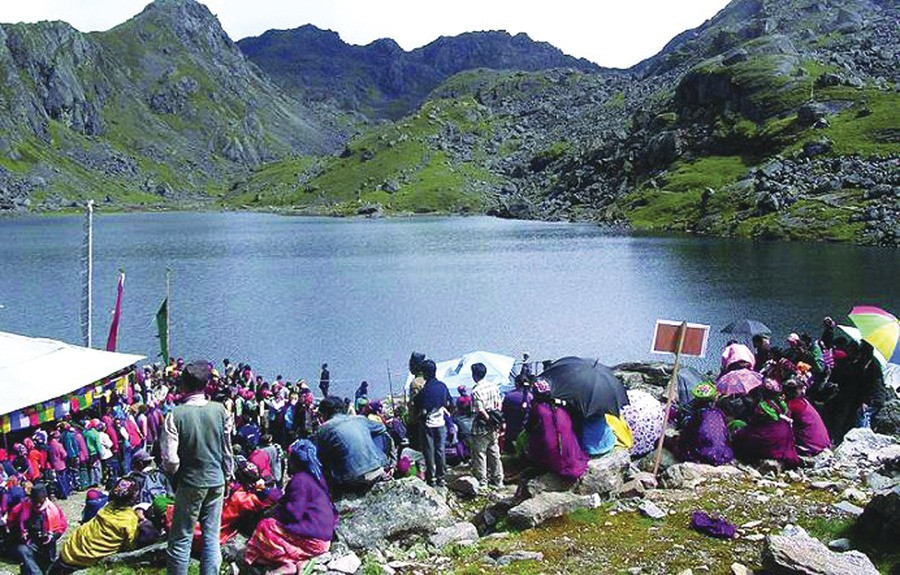
The annual movement of pilgrims creates economic activity along the wider route. Local accommodation providers, restaurants, transportation operators, shops, guides and other service providers can experience increased demand during the festival period. Visitors travelling through Dhunche, Chandanbari and other settlements contribute to the local tourism economy, making the successful management of the pilgrimage important not only from a religious and safety perspective but also from an economic one.
Indian pilgrims add an international dimension
Gosainkunda’s appeal extends beyond Nepal’s domestic pilgrimage market. Pilgrims from India also visit the destination during Janai Purnima, giving the annual event an international tourism dimension. The presence of international religious visitors makes the availability of reliable visitor services even more important, particularly because foreign pilgrims may be less familiar with Nepal’s high-altitude terrain, weather conditions, and trekking routes.
Improving health support along the pilgrimage corridor can therefore contribute to a more positive visitor experience for both domestic and international travelers. For Nepal’s religious tourism sector, ensuring that internationally recognized pilgrimage destinations have appropriate safety arrangements can strengthen visitor confidence and contribute to the long-term development of pilgrimage tourism.
Safety is becoming part of destination management
The health camp initiative demonstrates that managing a major pilgrimage destination involves more than maintaining temples, trails and religious sites. Visitor safety, emergency response and basic medical services are increasingly important components of tourism infrastructure, particularly at high altitude destinations where the physical environment itself presents risks.

For Gosainkunda, the coordinated deployment of health workers, the Nepal Army, police agencies, local government and the Himalayan Rescue Association provides a stronger support system during the busiest period of the pilgrimage calendar. Such preparations can help authorities manage the seasonal increase in visitors while reducing avoidable medical emergencies and improving the overall experience of travelling to the destination.
Gosainkunda prepares for a safer tourism season
With thousands of pilgrims expected to travel to Gosainkunda for Janai Purnima, authorities are urging visitors to approach the journey with both religious devotion and responsible travel practices. The network of health camps from Dhunche to Gosainkunda, combined with rescue arrangements for serious cases, is intended to ensure that pilgrims have access to medical assistance when they need it.
The preparations could also strengthen Gosainkunda’s position as one of Nepal’s important religious and mountain tourism destinations. By improving visitor safety while supporting the needs of pilgrims and local tourism businesses, Rasuwa is preparing not simply for a religious festival but for a major annual movement of visitors through one of Nepal’s most challenging and scenic high-altitude tourism areas. If pilgrims follow medical advice, respect the mountain environment and make use of the support facilities available along the route, this year’s Janai Purnima pilgrimage could be both a spiritually meaningful occasion and a safer, better-managed tourism experience.