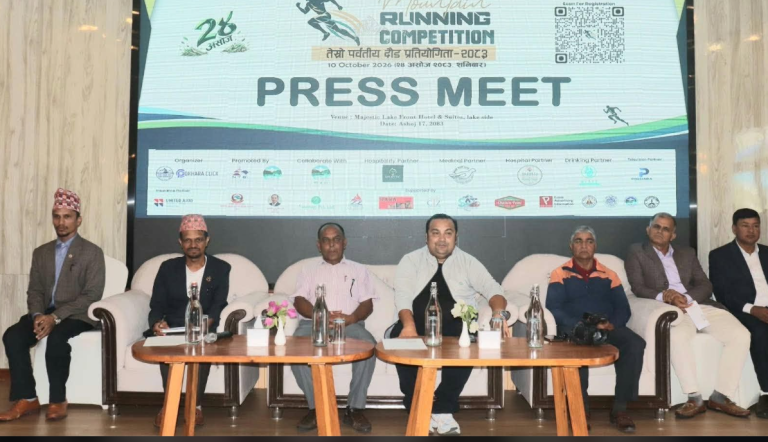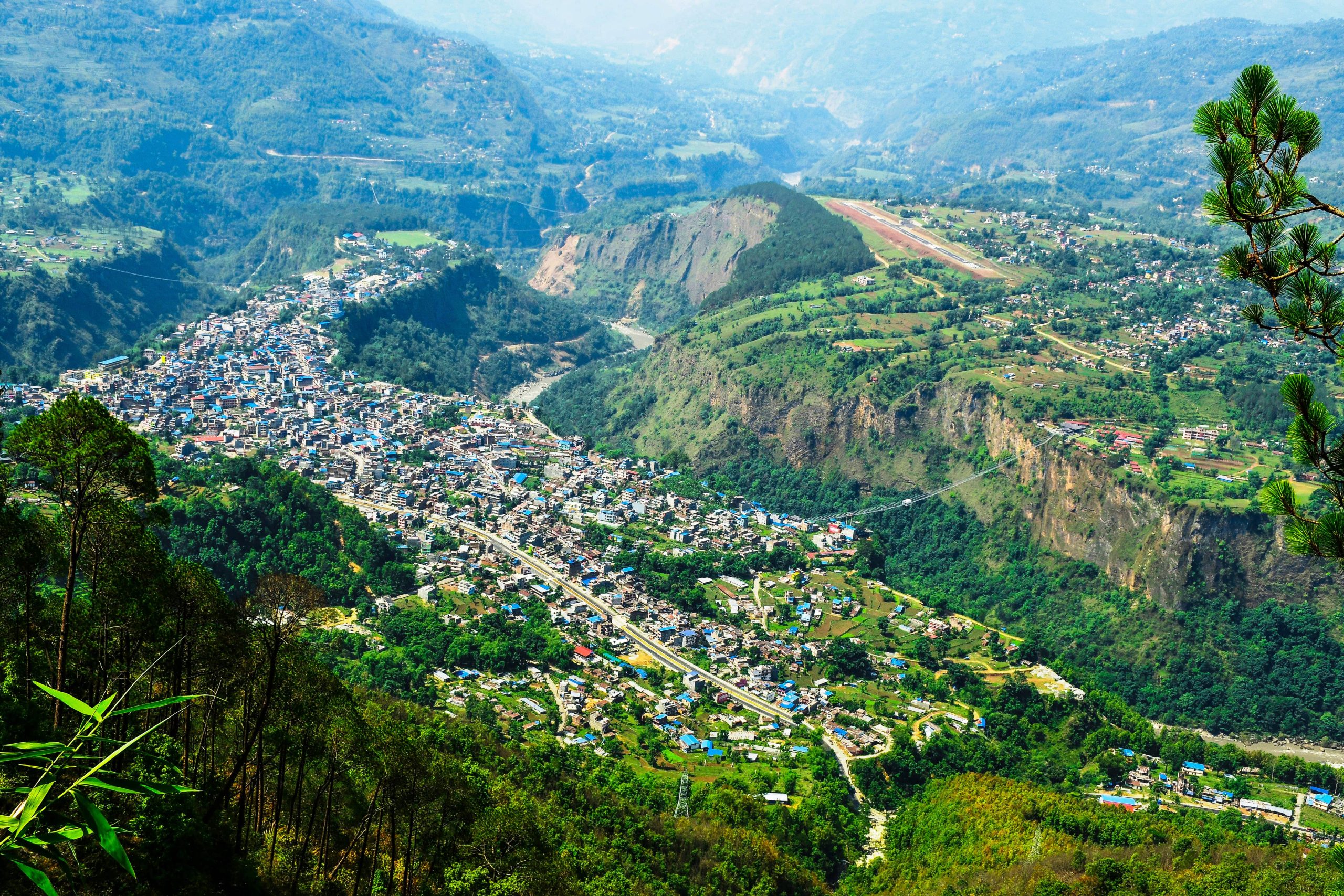
Parbat district is set to formulate a comprehensive tourism master plan aimed at promoting its religious, cultural, and adventure attractions while transforming the district into one of Nepal’s leading destinations for both domestic and international visitors. The decision was endorsed during the Eighth District Assembly held on Friday under the coordination of the District Coordination Committee (DCC). The master plan will be prepared through the committee’s initiative in collaboration with all seven local governments in the district.
According to DCC Chief Bishnu Ram Bk, the initiative comes in response to the growing number of tourists visiting Parbat each year without generating significant economic benefits for local communities due to the absence of a coordinated tourism strategy. “Although hundreds of thousands of domestic and foreign tourists visit Parbat annually, the district has not been able to fully capitalize on its tourism potential because of inadequate planning and preparation. The master plan will provide a long-term roadmap for sustainable tourism development,” Bk said.

Adventure Tourism Continues to Strengthen Parbat’s Appeal
In recent years, Parbat has emerged as one of Nepal’s fastest-growing adventure tourism destinations. The district is home to some of the country’s most iconic tourism infrastructure, including the world’s second-highest bungee jump, one of the world’s longest zipline experiences, giant swings, mega troll rides, sling swings, Nepal’s longest Kaligandaki river rafting route, and several record-setting suspension bridges.
Local authorities believe these attractions have significantly increased the district’s visibility among adventure enthusiasts and are expected to continue driving higher tourist arrivals in the coming years. However, officials acknowledge that while tourism infrastructure has expanded rapidly, there has been limited success in encouraging visitors to stay longer and spend more within the district.
Master Plan to Integrate Nature, Culture and Religious Heritage
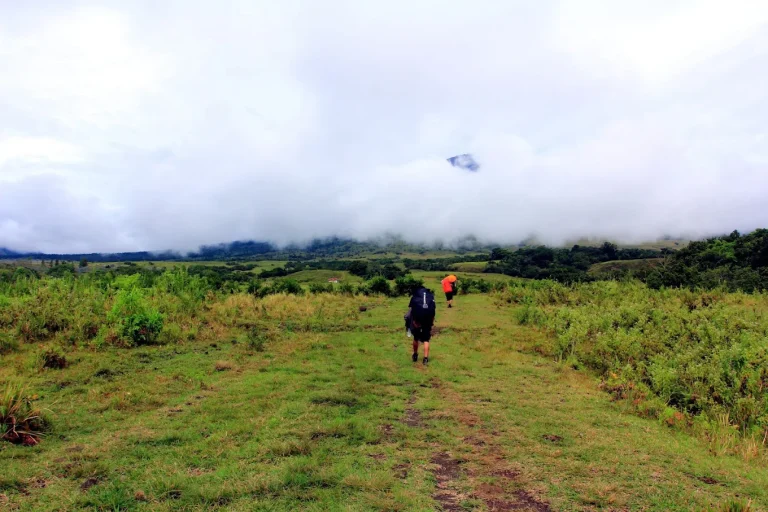
The proposed tourism master plan will focus on developing an integrated tourism experience by utilizing Parbat’s diverse natural, religious, and cultural assets. These include the scenic Humpal Lek, situated at an elevation of approximately 3,300 meters, the world’s largest Shaligram stone located at an altitude of 512 meters, numerous temples and monasteries, panoramic hilltops, traditional arts and culture, forests, wildlife, medicinal herbs, and other unique natural attractions.
According to Bk, the master plan is expected to be completed during the fiscal year 2083/84 (2026/27) and implemented from the following fiscal year. A team of tourism experts will be formed to prepare the strategy in consultation with elected representatives, civil society organizations, journalists, tourism entrepreneurs, and other stakeholders to ensure that the plan is practical, inclusive, and easy to implement. Officials expect the initiative to strengthen the local tourism industry, create self-employment opportunities, generate new investments, and increase household incomes across the district.

Kaligandaki River Conservation to Receive Priority
The District Assembly has also decided to formulate a dedicated conservation and sustainable management plan for the 42-kilometer stretch of the Kaligandaki River that flows through Parbat district. The initiative aims to protect the river’s ecological and religious significance while ensuring its sustainable utilization. Coordination with neighboring districts will be carried out to implement conservation measures more effectively. District Coordination Officer Badri Tiwari said the assembly has also resolved to curb illegal extraction of river materials by introducing a more systematic and regulated excavation mechanism.
Agriculture, Governance and Public Service Reforms Included
Beyond tourism, the assembly adopted several other development priorities. These include expanding agricultural ambulance services to improve market access for locally produced farm products, strengthening accountability, transparency, and good governance in government and non-government institutions, and conducting annual joint public hearings involving all seven local governments and district-level government offices. The assembly also resolved to reinforce the district’s status as a fully immunized district and continue efforts to achieve recognition as a child-friendly district through coordinated implementation.

Legal Ambiguity Limiting District Coordination Committees
Speaking at a press conference following the District Assembly, District Coordination Officer Badri Tiwari highlighted challenges faced by District Coordination Committees due to ambiguities surrounding their legal authority. He noted that unclear jurisdiction has limited the committee’s ability to effectively carry out monitoring, oversight, and enforcement responsibilities. Tiwari stressed that clarifying the legal mandate of District Coordination Committees would enhance their effectiveness in coordinating development activities and implementing district-wide plans, including the newly proposed tourism master plan.
Vision for Long-Term Regional Prosperity
With a strategic tourism master plan, improved conservation measures, and stronger coordination among local governments, Parbat aims to leverage its rich blend of adventure, religious, and natural attractions to build a sustainable tourism economy. Local leaders believe the integrated approach will not only attract more visitors but also encourage longer stays, higher tourism spending, increased employment, and more inclusive economic growth for communities throughout the district.