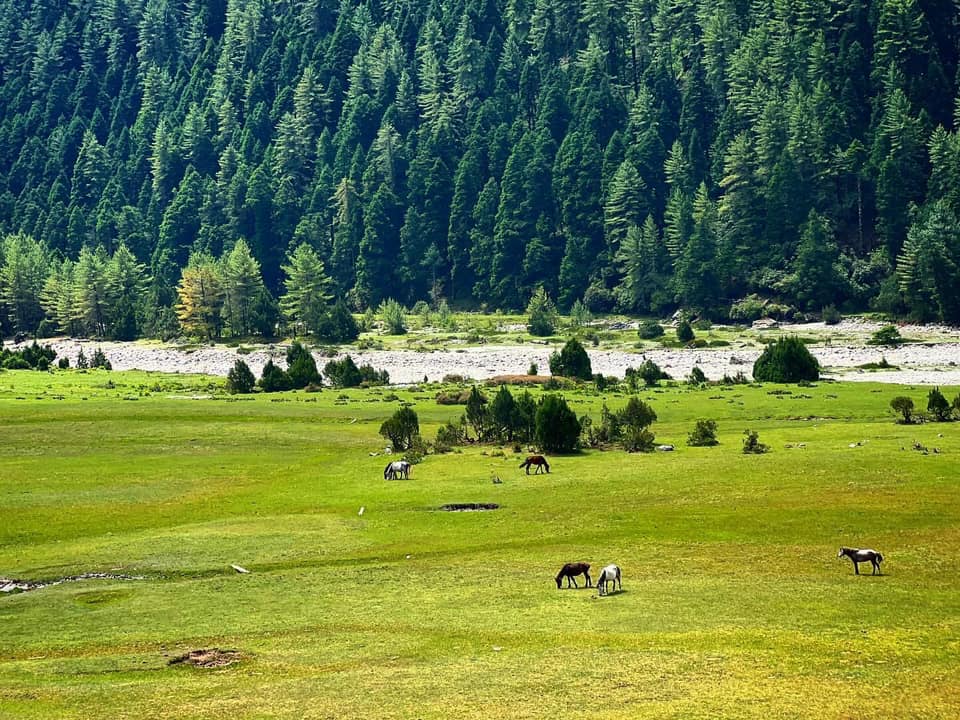
Tucked away in the remote mountains of western Nepal, Dhorpatan is a high-altitude valley best known as home to the Dhorpatan Hunting Reserve, the only legally designated hunting reserve in the entire country. It is a place where wildlife conservation, controlled hunting, and traditional mountain culture exist side by side, set against a backdrop of alpine meadows, thick forests, and snow-capped peaks. For travelers looking to get far off the usual trekking routes, Dhorpatan offers something increasingly hard to find in Nepal: genuine, untouched wilderness.
Where Dhorpatan Is Located
Dhorpatan sits in the Dhaulagiri Himal region of western Nepal, spread across three districts: Eastern Rukum, Myagdi, and Baglung. The reserve covers roughly 1,325 square kilometers, making it one of the largest protected areas in the country. Elevations range from about 2,850 meters at the lower edges to over 5,500 meters at the highest ridgelines, with some peaks in the wider region rising past 7,000 meters. The valley floor itself sits at an average height of around 3,900 meters.
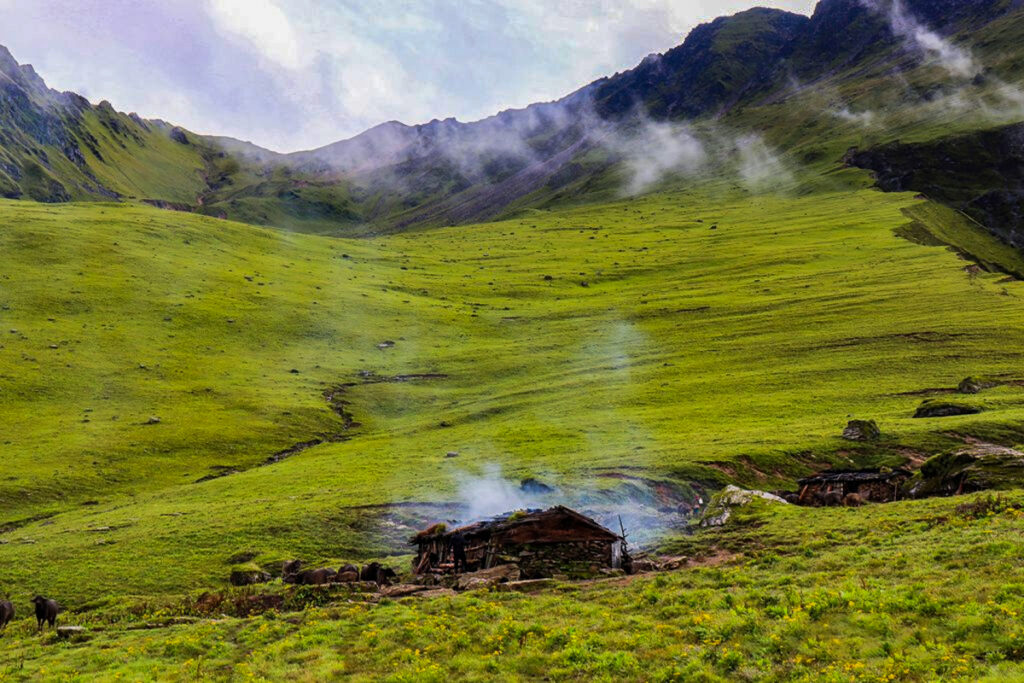
To the north, the reserve is bordered by the Putha, Churen, and Gurja Himal mountain ranges. On every other side, it is surrounded by small villages. The local name “Dhorpatan” reflects the landscape itself, a mix of forest, marshland (“hor”) and open grassy meadows (“pan”).
A Reserve Built on Conservation and Tradition
Dhorpatan began operating in 1983 and was formally gazetted as a protected reserve in 1987. Its purpose was twofold from the start: allow regulated sport hunting, and protect a high-altitude ecosystem representative of western Nepal. This makes it different from Nepal’s national parks, where all hunting is banned. Here, hunting is legal but tightly controlled, permits are issued only through the Department of National Parks and Wildlife Conservation, hunting is limited to specific seasons, and revenue from licenses helps fund conservation work and support nearby communities.
For easier management, the reserve is split into six blocks. Barse, Dogari, and Gustang are known for spectacular views of the Dhaulagiri range, while Seng and Sundaha are considered the richest in wildlife.
Forests and Alpine Meadows
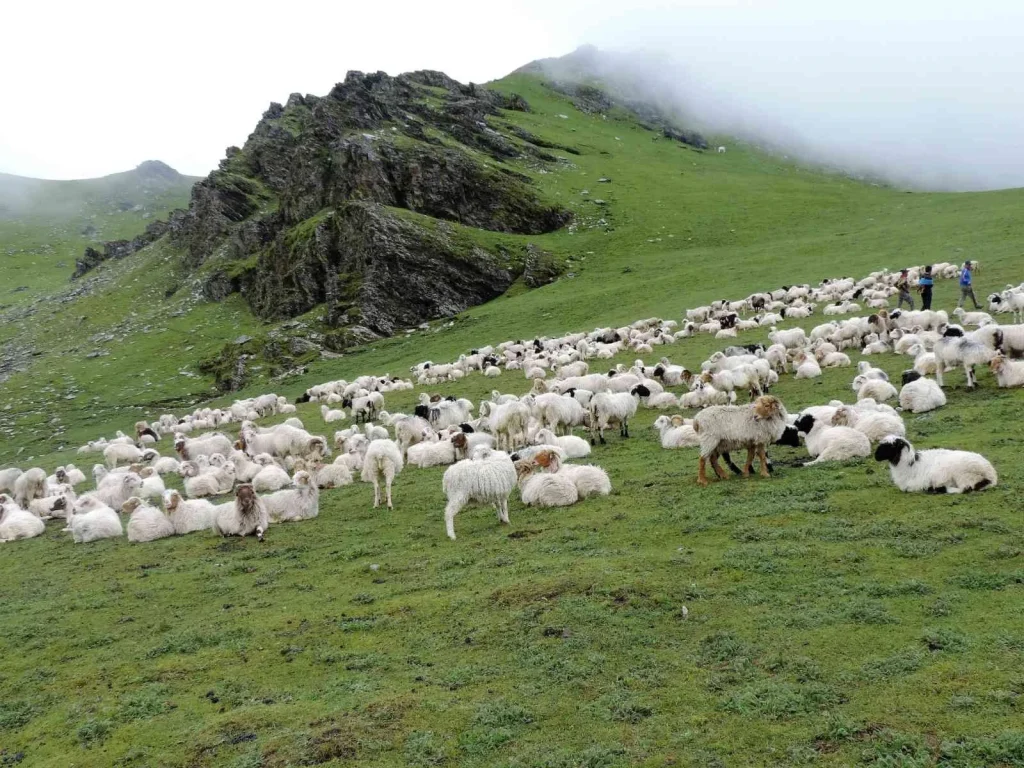
The plant life in Dhorpatan shifts dramatically as you climb in elevation. Lower slopes are covered in mixed forest with trees like rhododendron, juniper, fir, birch, oak, hemlock, pine, and spruce. Higher up, the landscape opens into vast pastureland, which makes up more than half of the reserve’s total area. Botanists have recorded 58 different vascular plant species here, a solid number given how harsh conditions can get at these altitudes.
Wildlife: Blue Sheep and Rare Himalayan Species
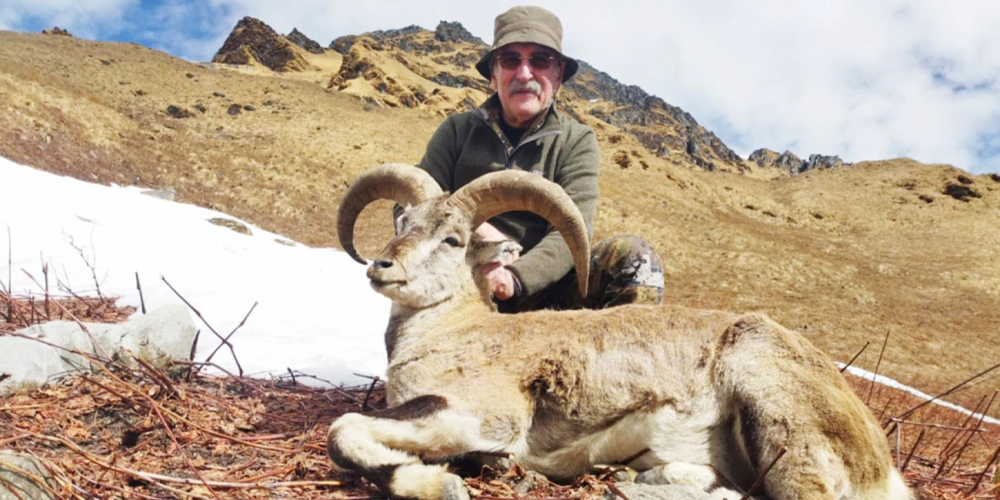
The reserve is best known as a stronghold for the blue sheep (bharal), a hardy wild goat-antelope that is the main prize for licensed hunters. A government survey in 2007 counted around 852 blue sheep living in the reserve.
Beyond blue sheep, Dhorpatan is home to a wide range of mammals: leopard, goral, serow, Himalayan tahr, Himalayan black bear, barking deer, wild boar, rhesus macaque, langur, and mouse hare. Rarer and more endangered species, musk deer, wolf, and red panda, also live here, along with the elusive snow leopard, which keeps to the higher, rockier terrain. In total, 18 mammal species have been recorded in the reserve.
Birdlife is just as impressive, with 137 recorded species. Pheasants and partridges are common, including the Chir Pheasant and the brightly colored Danphe (Himalayan monal), Nepal’s national bird. Eagles and Himalayan vultures are frequently seen soaring above the cliffs and forest.
The People of Dhorpatan
Dhorpatan’s human side is just as interesting as its wildlife. The area is home to a mix of communities, including Magar, Thakali, Brahmin, Chhetri, Sunar, and people of Tibetan descent. Most locals combine farming with animal husbandry and small-scale trade, and many still rely on the reserve for fuelwood, timber, grazing land, and medicinal plants. More than 80,000 livestock graze inside the reserve during the warmer months.
One important cultural site is Dhorbaraha Temple, a sacred Hindu shrine near the Uttarganga River in the Fagune block. Every August, during the Janai Purnima festival, large numbers of pilgrims travel here to take part in the celebrations.
Best Time to Visit
Dhorpatan’s weather changes sharply with the seasons:
- March – April (best time): Clear skies, mild days, and the easiest wildlife viewing, the season officially recommended by Nepal’s Department of National Parks and Wildlife Conservation.
- October – November (also good): Crisp air and clear mountain views once the monsoon clears, just before winter snow sets in.
- July – September (monsoon): Heavy rain, slippery trails, and reduced visibility.
- December – February (winter): Bitterly cold, with strong winds and frequent snowfall at higher elevations.
How to Get There
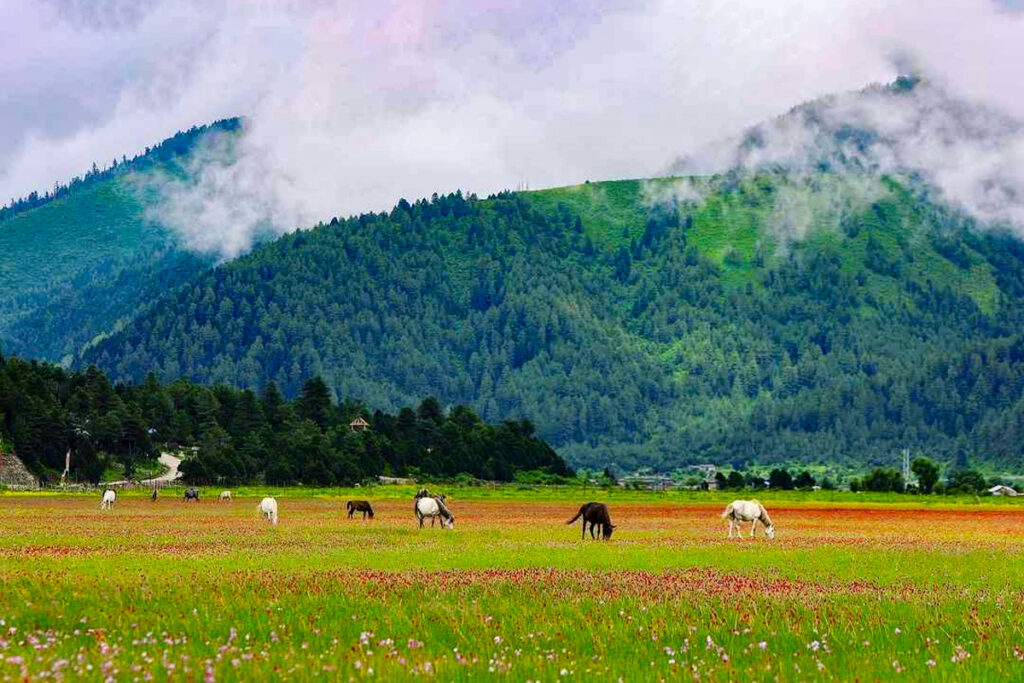
Getting to Dhorpatan takes real effort, which is part of why it stays so untouched. Most travelers fly from Kathmandu or Pokhara to Baglung, then trek for several days through villages like Beni, Darbang, and Jaljala to reach the reserve headquarters. There’s also a longer overland route through Tansen and Burtibang for those with more time. Travelers in a hurry can arrange a chartered helicopter from Kathmandu instead. Facilities inside the reserve are basic. A couple of simple lodges near Chhyantung serve local Nepali food, but there’s no guarantee of much beyond that, so visitors should come prepared and self-sufficient, especially with fuel, warm clothing, and a first-aid kit.
Dhorpatan isn’t on most travelers’ radars, and that’s exactly its appeal. It’s a place where blue sheep graze on high alpine pastures beneath the Dhaulagiri mountains, where hunting and conservation manage to coexist, and where Magar and Tibetan-influenced communities still live much as they always have. For anyone chasing solitude, rich wildlife, and a real slice of untouched Himalayan wilderness, Dhorpatan is one of Nepal’s best-kept secrets.