On July 29, 2026, the World Travel & Tourism Council (WTTC) released a policy brief titled Destination Stewardship: Creating Value for All. The document urges governments, tourism boards, and private businesses to work together proactively so that tourism growth benefits residents as much as visitors and companies, rather than causing strain on local communities.
Why It Matters: The Scale of Tourism
The brief frames its recommendations against the sheer size of the sector: travel and tourism supports roughly one in ten jobs worldwide, contributes close to a tenth of global GDP, and is projected to generate one in three new jobs globally in the next decade. Last year, the industry added $11.6 trillion to the world economy and sustained 366 million jobs.

The Seven Stewardship Principles
The report’s central framework of WTTC consists of seven guiding principles for managing tourism growth responsibly:
- Plan collaboratively with all stakeholders
- Treat resident satisfaction as the true measure of success
- Plan ahead of demand rather than reacting to it
- Build a solid understanding of local issues and pressures
- Spread tourism across more places and seasons
- Convert tourism revenue into shared community prosperity
- Maintain readiness to respond to emerging challenges
A key shift the WTTC is pushing for is redefining “success” in tourism, moving away from simple visitor-count metrics toward resident wellbeing, long-term resilience, and community value.
Real-World Examples Cited
The brief points to several destinations already applying these ideas:
- Madrid: reducing seasonal and geographic concentration of tourists while strengthening public-private cooperation
- Colorado: engaging residents and using collaborative governance to shape policy
- Bogotá: using early data investment to guide better destination planning
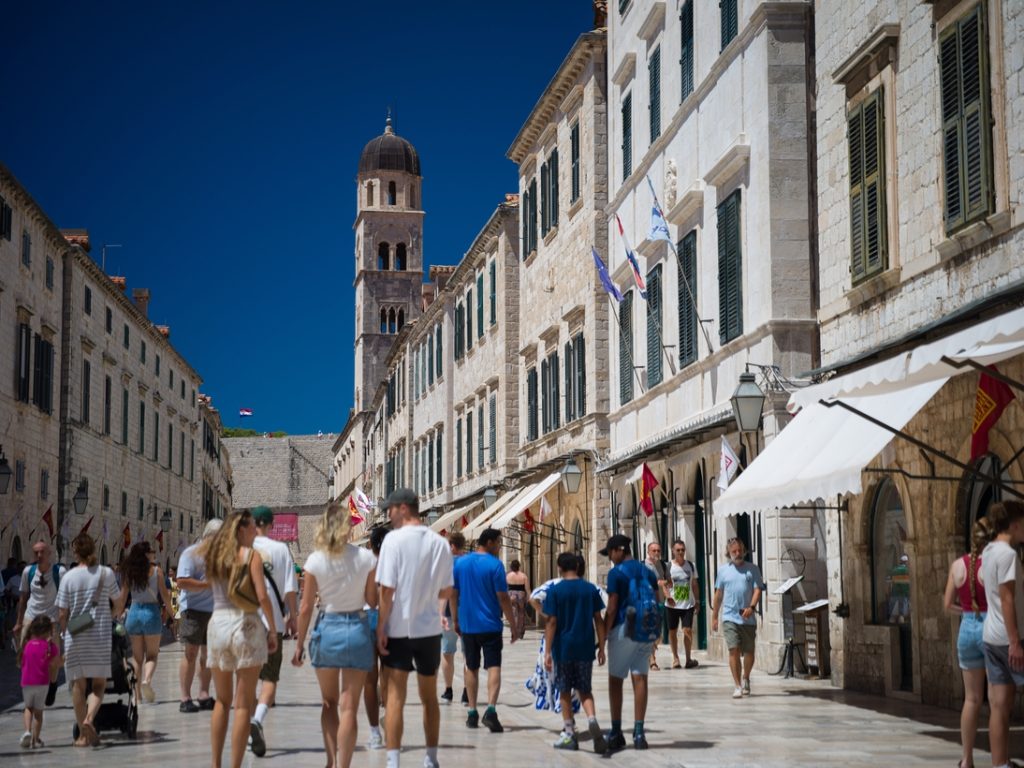
- Dubrovnik: managing cruise ship arrivals more strategically to ease congestion
- New York City: spreading tourism benefits through regional experiences
- Balearic Islands: reinvesting tourism income transparently to build public trust
Additional examples of innovative practices are drawn from Copenhagen, Japan, Ljubljana, and South Korea.

Immediate, Actionable Steps
Beyond long-term strategy, the report lists steps destinations can take right away, especially during peak summer travel season: tracking how residents feel about tourism, using data to identify pressure points, promoting less-visited locations, encouraging responsible tourist behavior, improving communication about tourism’s benefits, and setting up response teams in advance of problems.
Leadership Perspective
WTTC President and CEO Gloria Guevara emphasized that when managed well, tourism generates jobs, supports communities, and safeguards cultural and natural heritage, but achieving this requires genuine collaboration between government, residents, and industry, with the seven principles serving as an adaptable roadmap rather than a rigid mandate. The WTTC’s message is that the conversation around tourism needs to shift from simply counting visitors to actively managing how destinations grow, balancing economic opportunity with the everyday quality of life for the people who live there.