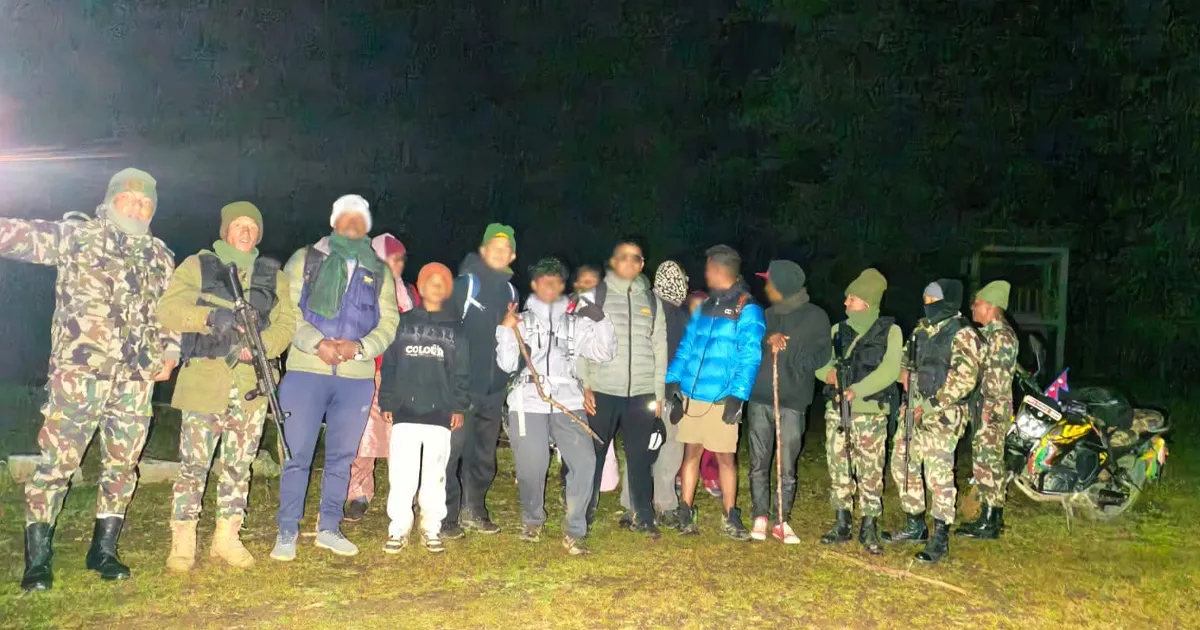
The Nepal Army has safely rescued 12 domestic tourists who lost their way in the dense Chuchemara forest while visiting Rara Lake, one of Nepal’s most popular natural tourism destinations. The rescue operation was carried out by the Hanumandhwaj Battalion after the group became stranded in the forest area of Chhayanath Rara Municipality-8 in Mugu district. The tourists, all from Bhandari Bada in Chandannath Municipality-2 of Jumla district, had been exploring the Rara region when they lost their sense of direction and became unable to find their way out of the forest. The timely response of the Nepal Army rescue team helped locate all 12 visitors and bring them to safety.
Nepal Army Mobilises Rescue Team After Receiving Information
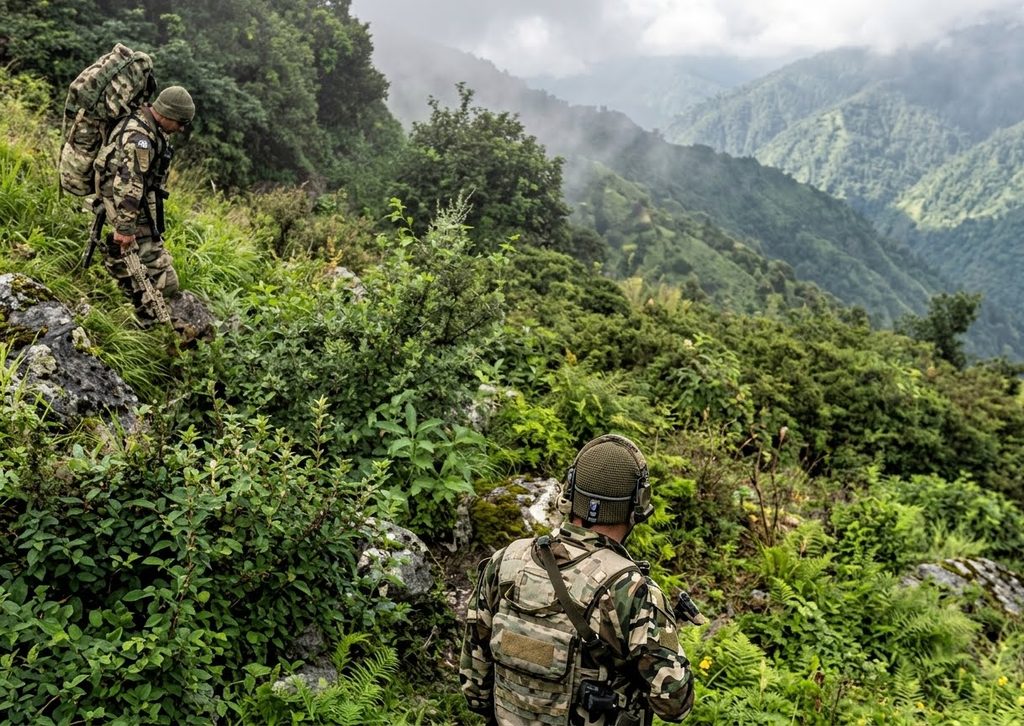
According to Khadga Bahadur Shrestha, commander of the Hanumandhwaj Battalion, the group had travelled to the Rara region for sightseeing. While enjoying their visit, the tourists moved further into the Chuchemara forest and eventually lost their way in the unfamiliar terrain. After receiving information that the visitors were stranded and unable to find their route, the battalion immediately mobilised a specialised rescue team.
Despite the challenging geographical conditions and darkness, security personnel continued their search and rescue efforts to locate the missing group. The rescue team successfully found all 12 tourists at around 10:00 p.m. The operation ensured that every member of the group was brought out of the forest safely, preventing the situation from developing into a more serious incident.
Rescued Tourists Taken to Hotel in Salleri
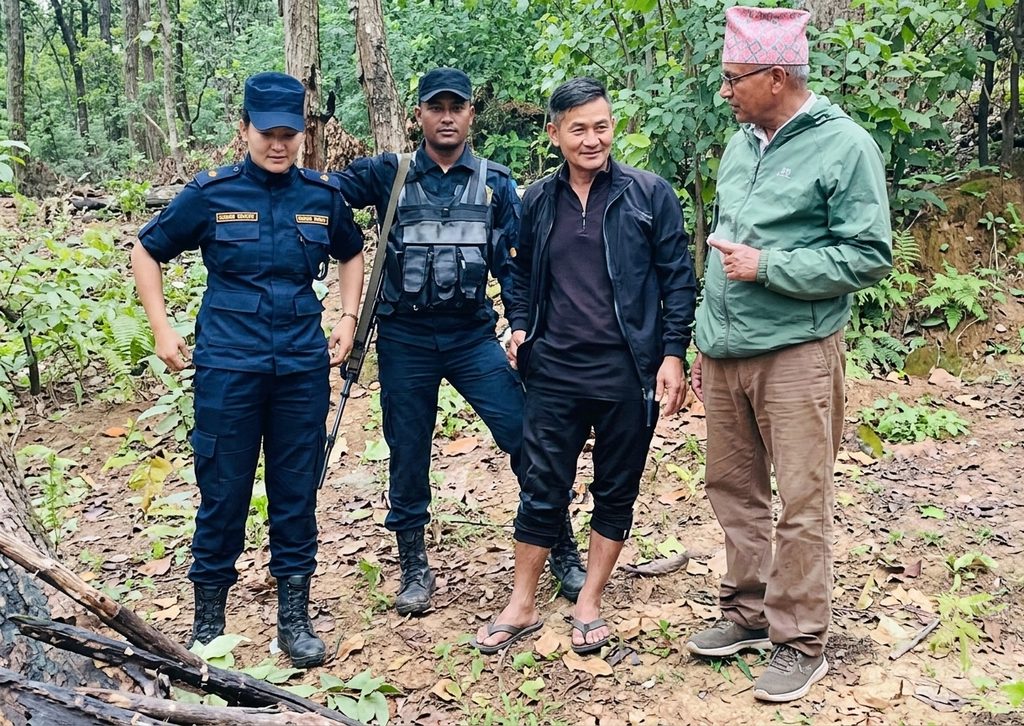
Following the successful rescue, the tourists were taken to a hotel in Salleri for accommodation. Battalion commander Shrestha confirmed that all 12 visitors had been safely recovered and provided with shelter after the operation. The incident highlights the importance of coordinated emergency response and visitor assistance in remote tourism destinations such as Rara. The Nepal Army’s prompt mobilisation and successful search operation demonstrated the role of local security agencies in supporting tourist safety, particularly in forested areas and unfamiliar hiking routes.
Improving Trail Information and Visitor Guidance in the Rara Region
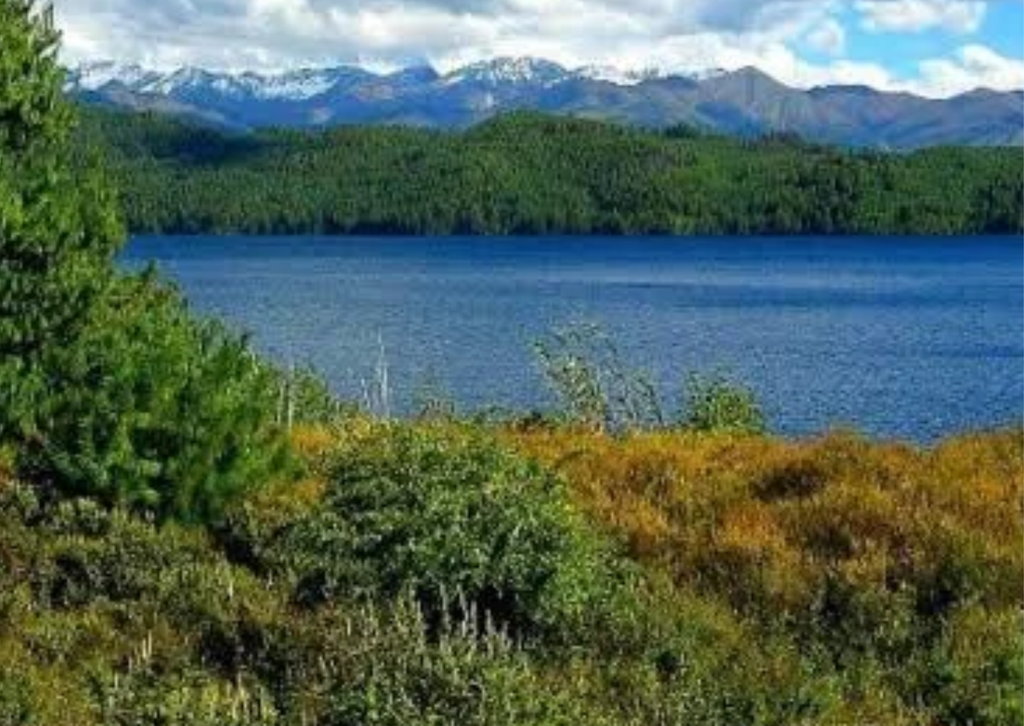
Rara Lake attracts thousands of domestic and international visitors each year with its natural beauty, surrounding forests and scenic trekking opportunities. Chuchemara and other nearby routes offer visitors opportunities to explore the landscape around the lake, making clear trail information and proper visitor guidance important aspects of tourism management. Local residents have pointed out the need for more location signboards, information boards and trained nature guides along the trails surrounding Rara Lake and the routes connecting the destination with different parts of Jumla. Better directional information and visitor support could help tourists navigate unfamiliar paths more confidently and reduce the risk of getting lost.
Strengthening trail infrastructure, installing clear directional signboards, establishing easily accessible information points and expanding the availability of trained nature guides would play an important role in making Rara a safer and more visitor-friendly tourism destination. Proper trail management and reliable visitor information can help tourists navigate unfamiliar routes, explore the surrounding forests and natural attractions with greater confidence, and minimise the possibility of losing their way. Similarly, trained guides can provide visitors with useful information about the local landscape while helping them follow appropriate routes during their excursions.
The successful rescue of the 12 tourists also highlights the importance of effective coordination among local authorities, tourism stakeholders, community representatives and security agencies in maintaining visitor safety. Continued cooperation in emergency preparedness, timely information sharing and rescue response can strengthen the region’s capacity to assist travellers in difficult situations. Such coordinated efforts, alongside improvements in tourism infrastructure and visitor services, would help create a safer and more organised travel experience while reinforcing Rara’s appeal as an attractive destination for domestic and international tourists.