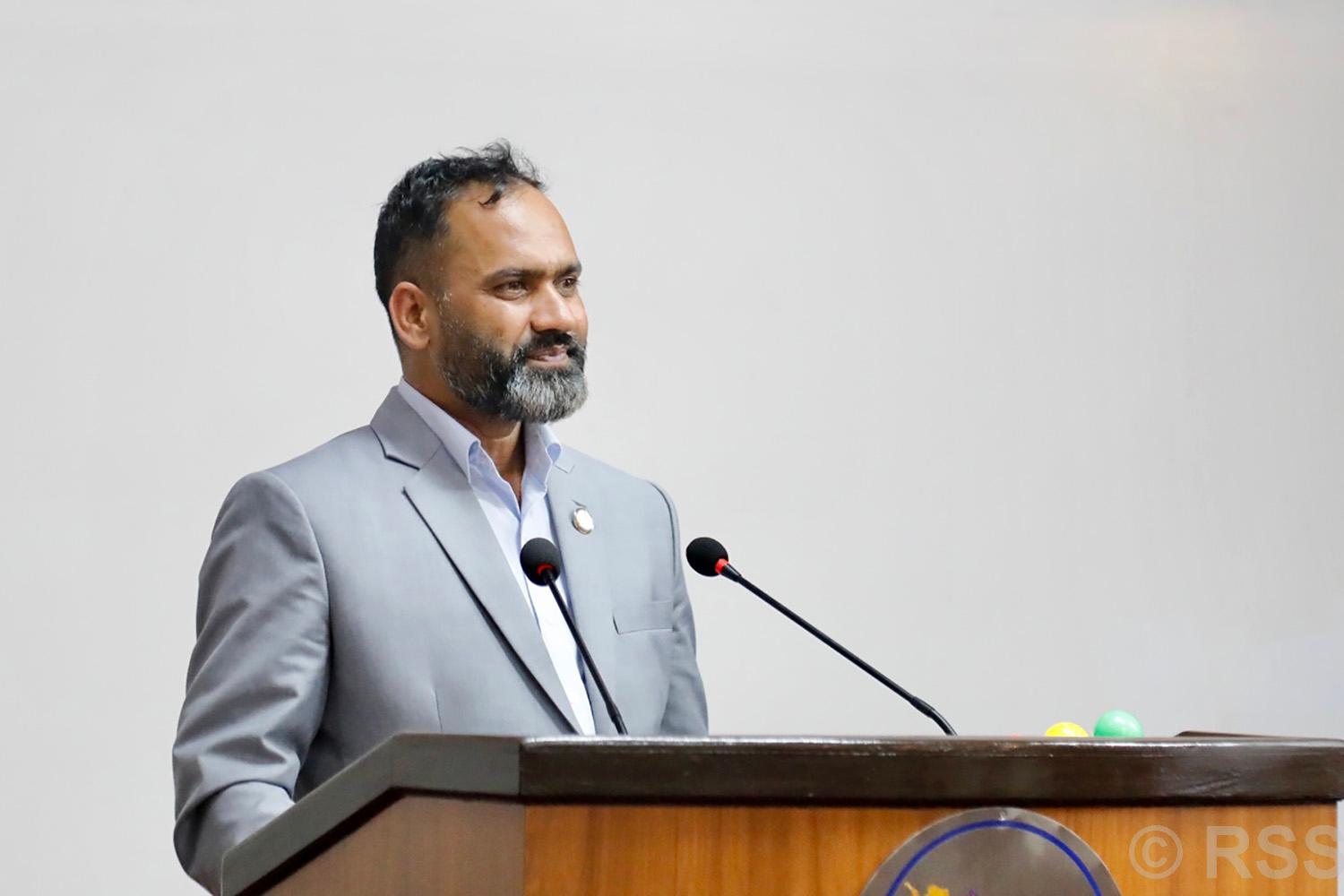
Minister for Culture, Tourism and Civil Aviation Khadga Raj Poudel has stressed the need for the Tourism Bill, 2082 (2025) to be amended without delay, stating that Nepal requires a modern and comprehensive legal framework to effectively regulate and promote its rapidly evolving tourism sector.
Speaking at a meeting of the House of Representatives’ International Relations and Tourism Committee on Tuesday, Minister Poudel said the proposed legislation should reflect the changing dynamics of Nepal’s tourism industry by incorporating emerging sectors such as modern trekking routes, wellness and health tourism, cultural tourism, and adventure tourism.
He emphasized that Nepal, a country endowed with immense natural, cultural, and religious tourism potential, requires a strong and forward-looking legal framework capable of supporting sustainable tourism development while responding to evolving global travel trends.
Bill Aims to Modernize Nepal’s Tourism Laws
The Tourism Bill, 2082, has been introduced to consolidate and update Nepal’s existing tourism-related legislation into a single legal framework. The proposed law seeks to replace the decades-old Tourism Act, 2035 (1978), which is widely regarded as outdated and inadequate for regulating today’s diverse tourism industry.

Since the enactment of the existing law more than four decades ago, Nepal’s tourism landscape has expanded significantly beyond traditional sightseeing and mountaineering. The country now offers a wide range of tourism products, including trekking, adventure sports, wellness retreats, homestays, eco-tourism, cultural experiences, pilgrimage tourism, and community-based tourism, creating the need for a more comprehensive legal structure. According to the minister, the new bill should not merely update the old law but establish a policy framework that accommodates the sector’s future growth and evolving market demands.
Minister Calls for Extensive Revisions
Minister Poudel informed the committee that the bill was originally drafted nearly three years ago and had already been endorsed by the National Assembly before being forwarded to the House of Representatives for further deliberation. Given the rapid changes in Nepal’s tourism sector over recent years, he said the draft now requires significant revisions before it can effectively address current industry needs.
“The country possesses enormous tourism potential, and a robust legal framework is essential to organize and develop the sector in a systematic manner,” Minister Poudel said. He added that the legislation should be refined through extensive consultations with lawmakers, tourism entrepreneurs, experts, and other stakeholders to ensure it addresses the practical challenges facing the industry.
Committee Begins Preliminary Review
The Tourism Bill has now entered the committee stage after the House of Representatives unanimously referred it to the International Relations and Tourism Committee for detailed examination. Tuesday’s meeting marked the beginning of the committee’s preliminary discussions on the bill’s guiding principles before moving on to clause-by-clause deliberations, during which lawmakers will propose amendments and refine individual provisions. The committee is expected to examine whether the bill adequately addresses emerging tourism segments while ensuring better coordination among Nepal’s three levels of government in tourism development and regulation.
Lawmakers Seek Broader and More Inclusive Legislation
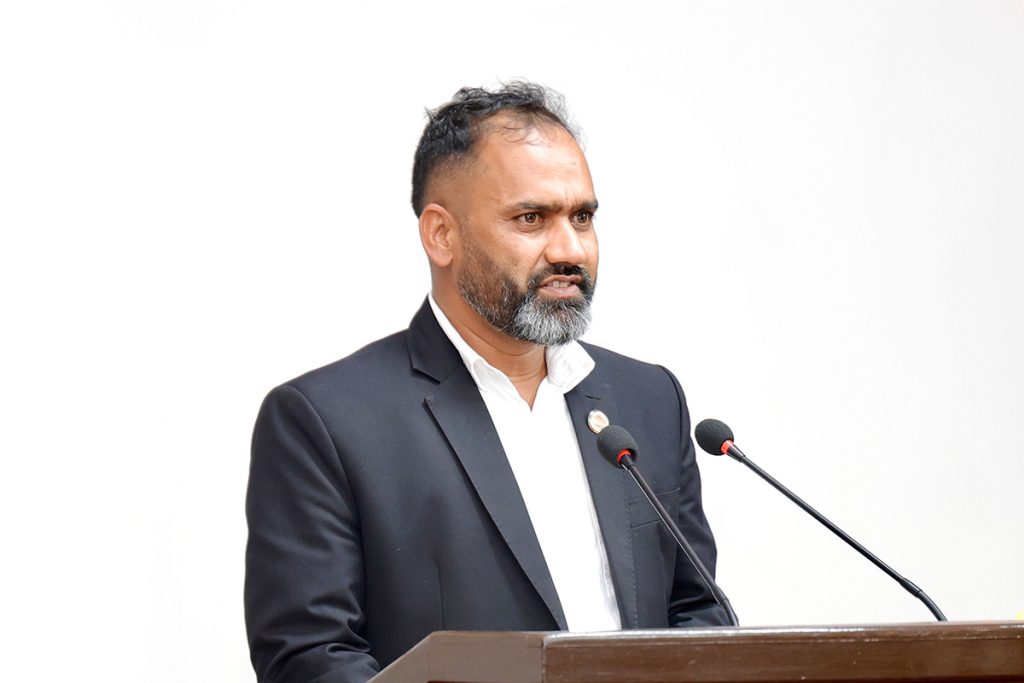
During the meeting, committee members emphasized that the proposed legislation should be strengthened through wider consultations with tourism professionals, private-sector representatives, experts, and relevant organizations. Committee Chairperson Sumnima Udas said the bill should be reviewed comprehensively, taking into account every stage of its development and implementation while ensuring effective coordination among the federal, provincial, and local governments.
Lawmaker Jagdish Kharel urged Parliament to expedite the legislative process, stating that tourism is closely linked to Nepal’s economic development and prosperity and therefore requires a timely and effective legal framework. Similarly, Ganesh Bahadur Bishwakarma stressed that the legislation should fully recognize the economic, social, and cultural dimensions of Nepal’s tourism industry.
Lawmaker Bhupendra Limbu Subba proposed incorporating the concept of a multicultural museum into the bill to promote Nepal’s diverse cultural heritage, while Anushka Shrestha recommended conducting extensive consultations with stakeholders even during the preliminary stage to gather broader public and industry input. Other lawmakers, including Bina Gurung, Dr. Arjun Kumar Karki, and Shridhar Pokhrel, also emphasized that the legislation should be modern, practical, and capable of supporting the long-term growth and diversification of Nepal’s tourism sector.
Modern Tourism Requires a Modern Legal Framework
Tourism experts have long argued that Nepal’s existing legal framework has struggled to keep pace with the industry’s rapid transformation. Over the years, new tourism products, including remote trekking routes, wellness and medical tourism, paragliding, rafting, canyoning, zip-lining, homestays, and other adventure activities, have expanded considerably without being comprehensively addressed under a unified legal system.

The proposed amendments seek to bridge these regulatory gaps by formally recognizing emerging tourism sectors, improving governance, strengthening service standards, and creating a more investor-friendly environment for tourism development. A modern tourism law is also expected to enhance destination management, encourage sustainable tourism practices, improve visitor safety, and strengthen Nepal’s competitiveness in the international tourism market.
Clause-Wise Deliberations to Follow
Following the completion of principle-level discussions, the International Relations and Tourism Committee will proceed with a detailed clause-by-clause review of the Tourism Bill, where lawmakers will formally consider proposed amendments, including provisions related to wellness tourism, modern trekking routes, multicultural museums, and other emerging areas of the tourism industry.
The committee is also expected to continue consultations with tourism stakeholders, industry experts, and government agencies before finalizing its recommendations. Once the committee completes its review, the amended bill will be presented to the House of Representatives for further debate and eventual passage.
The proposed legislation is expected to play a pivotal role in shaping Nepal’s tourism policy for the coming decades by creating a modern legal framework capable of supporting sustainable tourism growth, attracting greater investment, and enhancing the country’s position as one of Asia’s leading tourism destinations.