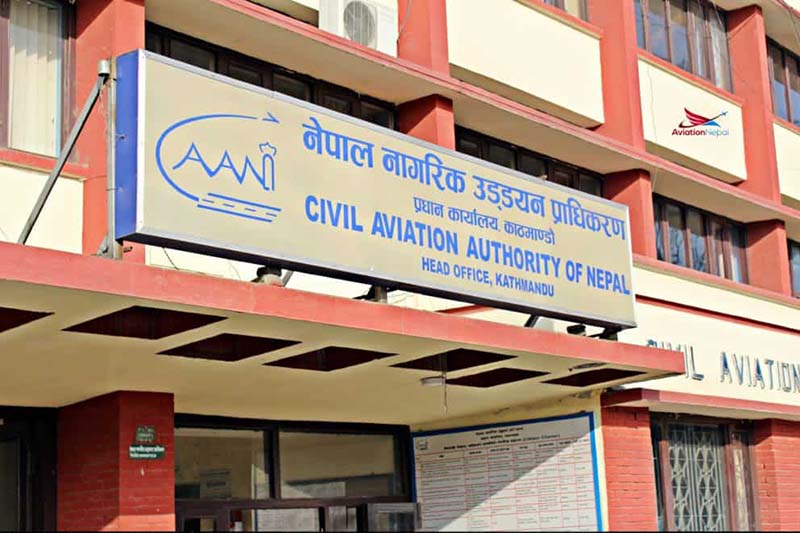
Nepal’s civil aviation regulator (CAAN) is seeking to strengthen the country’s airline industry by requiring operators to maintain larger fleets and greater operational capacity. The policy could encourage smaller aviation companies to expand, raise additional investment or consider mergers as they work to meet regulatory standards.
Revised Fleet Standards By CAAN
Under the revised Air Operator Certificate Requirements (AOCR), companies entering Nepal’s air-service market must demonstrate the ability to operate at least three aircraft initially and have plans to increase their fleet to five. Existing operators have also been given five years to reach a fleet of five aircraft. The requirements were introduced as part of CAAN’s efforts to make airline operations more sustainable and better equipped to handle operational challenges.

Expansion or Merger
The regulation gives companies that cannot expand independently another possible route: merger with another operator. For smaller airlines, adding aircraft requires considerable investment not only in aircraft but also in maintenance, technical staff, pilots, insurance and other operational requirements. Consolidation could allow companies to combine their resources and operate with a stronger financial and operational base.
Focus on Operational Reliability
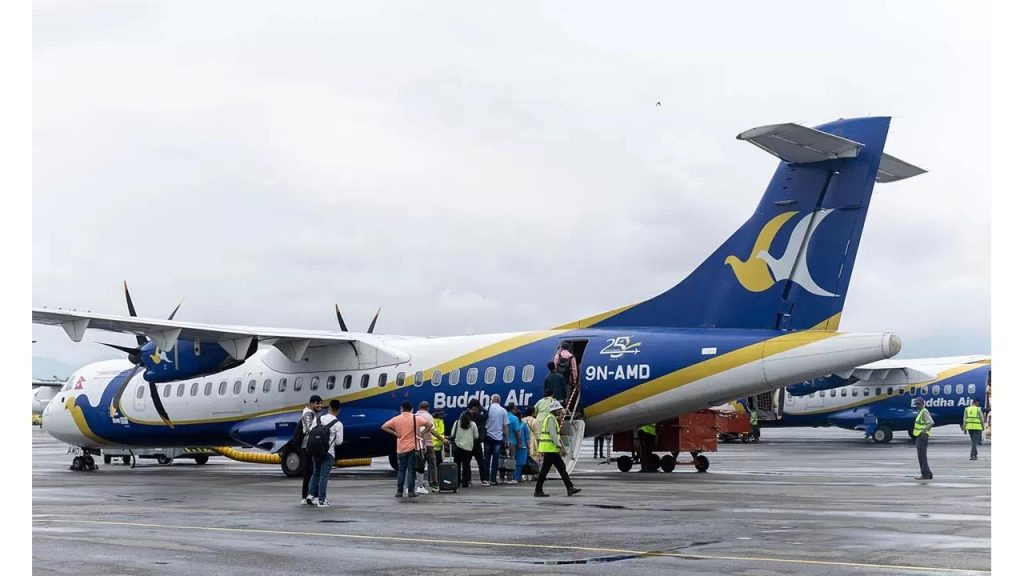
One of the practical concerns behind the fleet requirement is an operator’s ability to maintain services when an aircraft is unavailable. Airlines with only a small number of aircraft have less flexibility when a plane is undergoing maintenance or faces a technical problem. A larger fleet can provide additional capacity and reduce the possibility that the unavailability of a single aircraft will significantly disrupt operations. The regulatory changes also include additional requirements concerning safety management and the financial condition of operators.
Smaller Operators Face a New Challenge
The requirement could have a greater effect on smaller domestic operators, particularly those serving specialized routes. Rather than simply increasing the number of aircraft, companies will need to demonstrate that they can sustain the additional costs associated with a larger operation. This could lead some businesses to seek new investment, while others may explore partnerships or mergers.
Implications for Tourism
The development is important for Nepal’s tourism industry because domestic flights provide essential access to many destinations where road travel is difficult or time-consuming. Airlines serving mountain and remote areas connect tourists with trekking and adventure destinations, while regional flights also support travel between major cities and tourism hubs. A stronger fleet structure could therefore help improve service continuity. However, any consolidation will need to ensure that less commercially attractive remote routes are not abandoned.

Aviation Industry in Transition
The revised fleet standards are part of a broader effort to improve the capacity and professionalism of Nepal’s aviation sector. The policy does not simply require companies to own more aircraft; it places greater emphasis on whether operators have the financial, managerial and safety capacity to sustain their businesses.
As airlines evaluate fleet expansion, additional investment and possible mergers, the changes could gradually reshape Nepal’s domestic aviation market. For travelers, the most important outcome will be whether the reforms ultimately produce safer and more dependable air connectivity, particularly to the country’s major tourism and remote destinations.