Amid the bustling streets and ever-growing skyline of Kathmandu, Hush City Central has emerged as a distinctive boutique hospitality destination, offering visitors a tranquil escape through thoughtfully designed residences, lush gardens, wellness facilities, and curated guest experiences. Located in Gyaneshwor Heights, the property has transformed a long-standing family estate into what its founders describe as an urban sanctuary where nature, comfort, and Nepali hospitality converge.

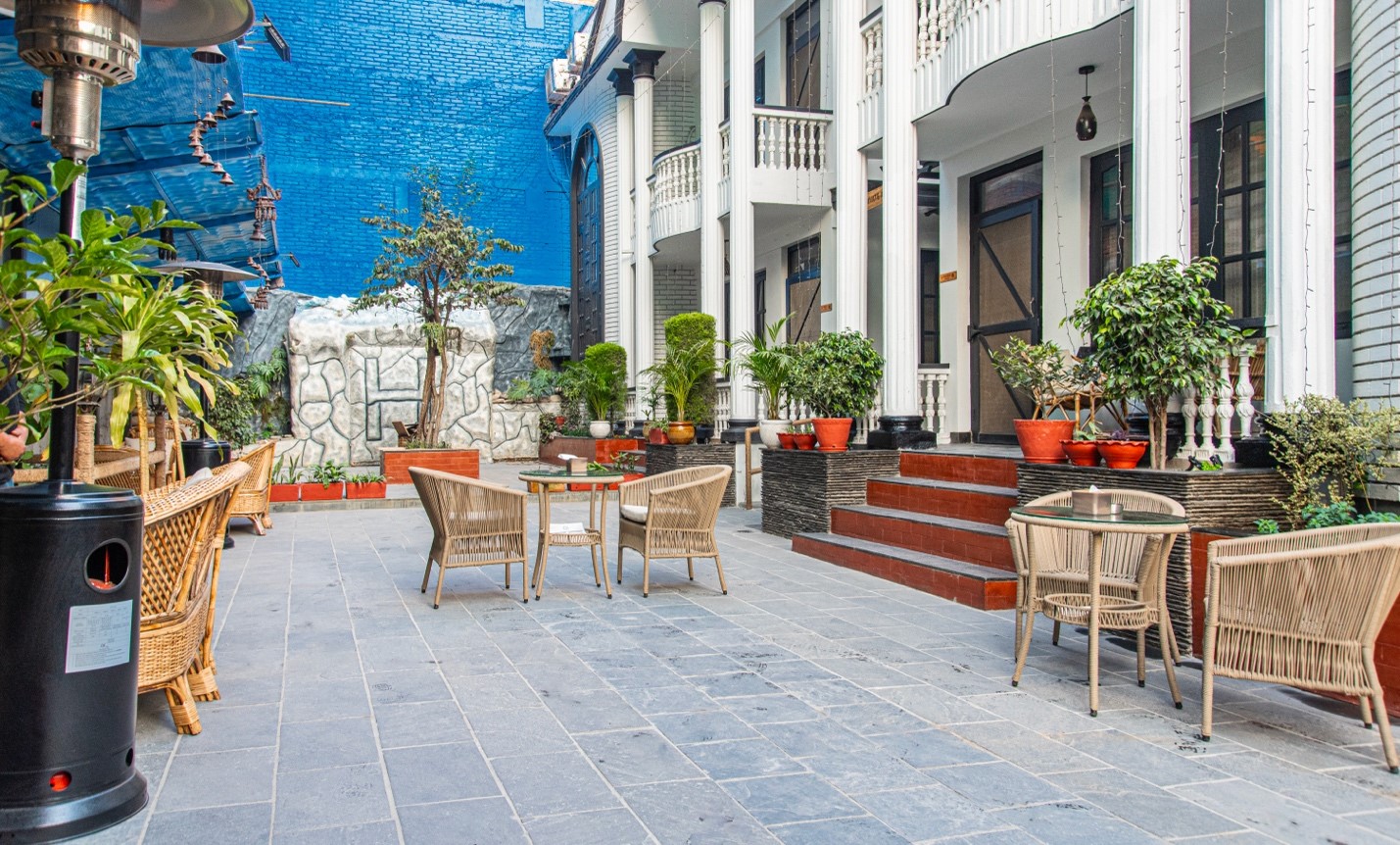
The concept behind Hush City Central revolves around a simple yet ambitious vision: to create an environment where guests can momentarily disconnect from the city’s chaos without leaving its center. Hidden behind its entrance are cascading waterfalls, landscaped gardens, a sprawling koi pond, private courtyards, and open-air spaces that replace the sounds of traffic with flowing water and greenery.
Hush City Central: A Family Legacy Reimagined
The story of Hush City Central is deeply rooted in the Rimal family’s history. The land has been in the family for decades, while its hospitality tradition dates back to the late Rimal patriarch, a self-made entrepreneur who developed numerous residential properties and bungalows across Kathmandu during the 1970s and 1980s.
Inspired by his father’s passion for creating living spaces, Anup Rimal, despite describing himself as “a numbers person rather than an architect”, played a leading role in envisioning the property’s transformation. Growing up alongside construction projects instilled an appreciation for thoughtful design that would later shape Hush City Central.
Hush City Central From Private Residence to Boutique Hospitality
The property initially served as the family’s residence before evolving into rental units and office spaces. In 2021, Anup renovated part of the estate into a private home named Mi Casa, intending it solely as a family residence. However, because the family spent only part of the year in Nepal, the home was eventually listed on Airbnb. Guest feedback soon revealed growing demand for accommodations that offered more than traditional hotel rooms; visitors sought privacy, comfort, flexibility, and authentic local character. This realization laid the foundation for the larger Hush City Central concept, expanding beyond accommodation into a complete hospitality experience.
Turning Challenges into Strengths
A major turning point came when neighboring construction projects began surrounding the property, bringing noise and dust that could have diminished its appeal. Rather than viewing this as a setback, the family redesigned the space to embrace tranquility. Extensive landscaping, layered gardens, waterfalls, water features, and secluded seating areas were introduced to naturally absorb city noise while creating intimate spaces where guests could relax despite being in Kathmandu’s busy urban core. The transformation inspired the property’s name, Hush, reflecting its promise of peace amid the city’s activity.
Hospitality Beyond Accommodation
Today, Hush City Central offers a diverse range of facilities that extend far beyond lodging. The property includes boutique residences ranging from studio apartments to spacious multi-bedroom villas equipped with fully functional kitchens for long-term stays. Guests also have access to a wellness floor featuring a gym, yoga and meditation areas, steam rooms, sauna, jacuzzi, and spa services.
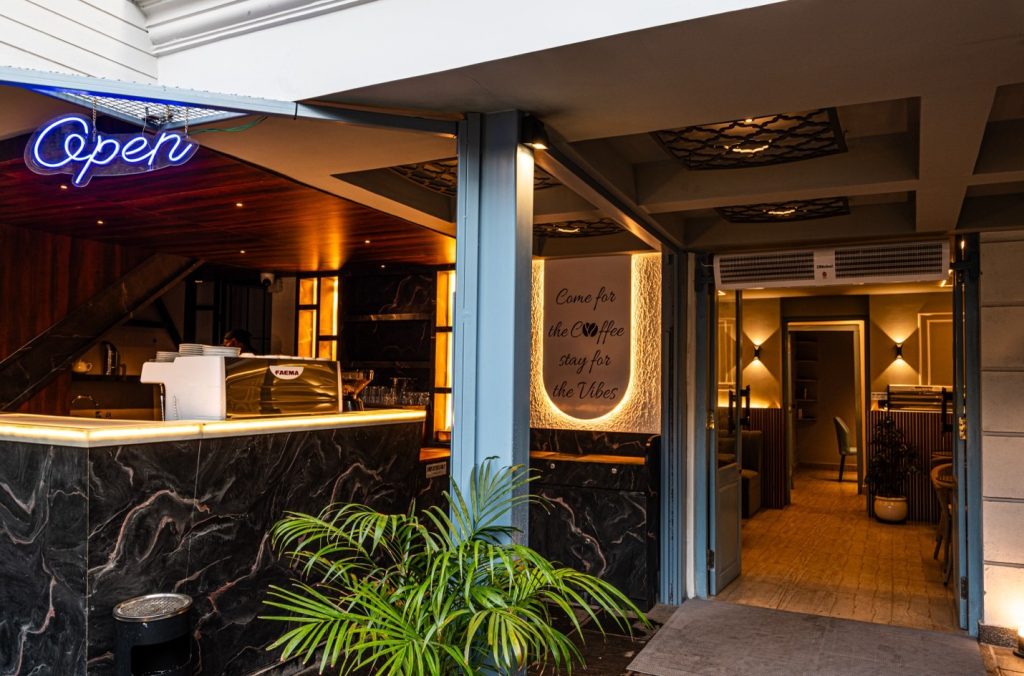
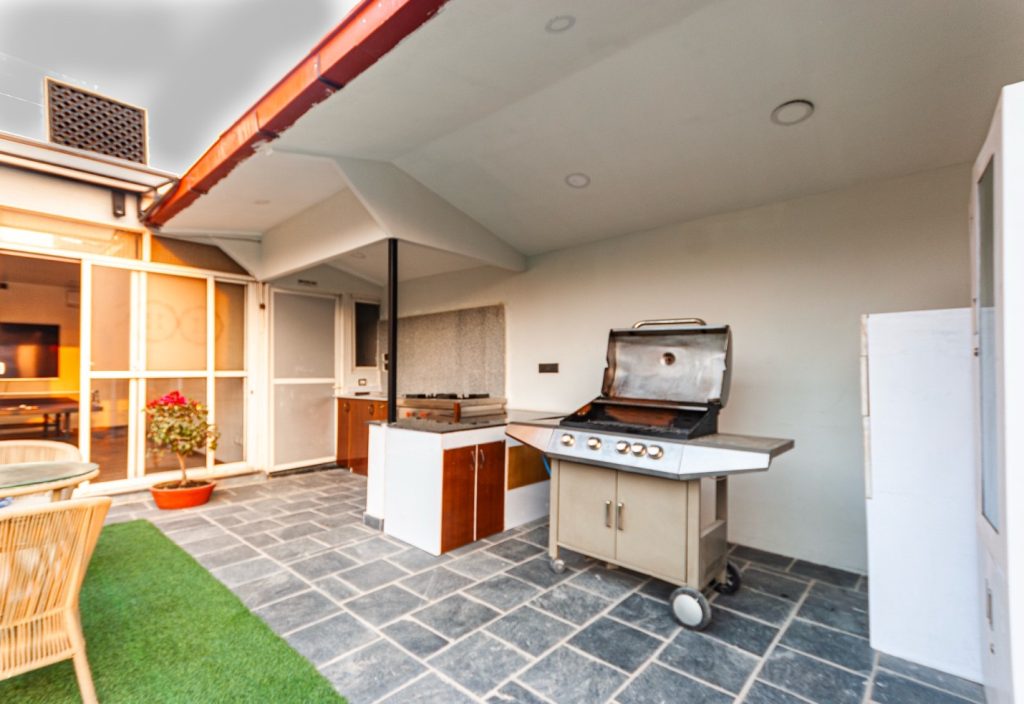
Its café and beer garden have become popular gathering spaces, serving authentic Nepali cuisine alongside international dishes in a carefully designed environment where landscaping creates natural privacy for diners. The rooftop further enhances the guest experience with an outdoor kitchen, barbecue area, hammocks, indoor games, and entertainment spaces capable of hosting private gatherings while offering panoramic city views.
Ideal Venue for Events and NRN Gatherings
Hush City Central has also positioned itself as a destination for weddings, family reunions, corporate retreats, and private celebrations. The entire property can accommodate approximately 25 to 35 guests for exclusive events, making it particularly attractive to Non-Resident Nepalis (NRNs) returning home for milestone celebrations. According to Anup Rimal, the concept addresses a long-standing challenge faced by many NRNs who often struggle to organize high-quality events in Nepal despite having the resources to do so.
Three Brothers Driving One Vision
The project is led collectively by the three Rimal brothers, each contributing expertise from different professional backgrounds. Managing Director Anoj Rimal brings extensive experience in finance, aviation, tourism, and hospitality, having previously served in senior executive roles across airlines, hotels, and tourism businesses. His knowledge extends to destinations such as Pokhara and Bardiya, helping shape Hush’s broader tourism vision.
Anil Rimal, an education leader based in the United States, contributes strategic direction while preparing to spend more time in Nepal following a distinguished academic career. Meanwhile, Anup Rimal combines years of experience gained in the United States across hospitality, branding, restaurants, property development, and technology, applying international service standards to the Nepali market. The brothers describe Hush not merely as a business venture but as a way to preserve family heritage while creating opportunities for future generations to remain connected to Nepal.
International Experience Shapes Local Hospitality
Before establishing Hush, Anup successfully developed the Himalaya Restaurant brand across Southern California, where authentic Nepali-inspired interiors and personalized guest experiences earned multiple awards and widespread recognition. Lessons learned from operating restaurants in the competitive U.S. hospitality industry have heavily influenced Hush City Central’s philosophy, emphasizing memorable experiences, personalized service, and authentic cultural connections over conventional accommodation offerings.
Strong Early Performance
Since opening, Hush City Central has maintained an occupancy rate of around 80 percent, attracting a diverse mix of international tourists, long-term residents, business travelers, and domestic guests. The accompanying café has also experienced strong growth, with management reporting consistent double-digit monthly increases and significant quarterly expansion as the hospitality ecosystem continues to mature. Despite this positive momentum, the family says its immediate priority is improving service quality and operational excellence at the current property rather than pursuing rapid expansion.

Building a Premium Nepali Hospitality Brand
Looking ahead, the team plans to strengthen the Hush brand through direct bookings, concierge services, curated travel experiences, and personalized hospitality. Their broader vision, known as Hush Signature Nepal, aims to connect Kathmandu with future hospitality experiences in destinations such as Pokhara and Bardiya, offering travelers an integrated network of accommodations, wellness, dining, and authentic local experiences. Rather than simply selling rooms, the founders say their long-term objective is to showcase Nepal through thoughtfully designed hospitality that reflects the country’s culture, warmth, and natural beauty while delivering international standards of service.