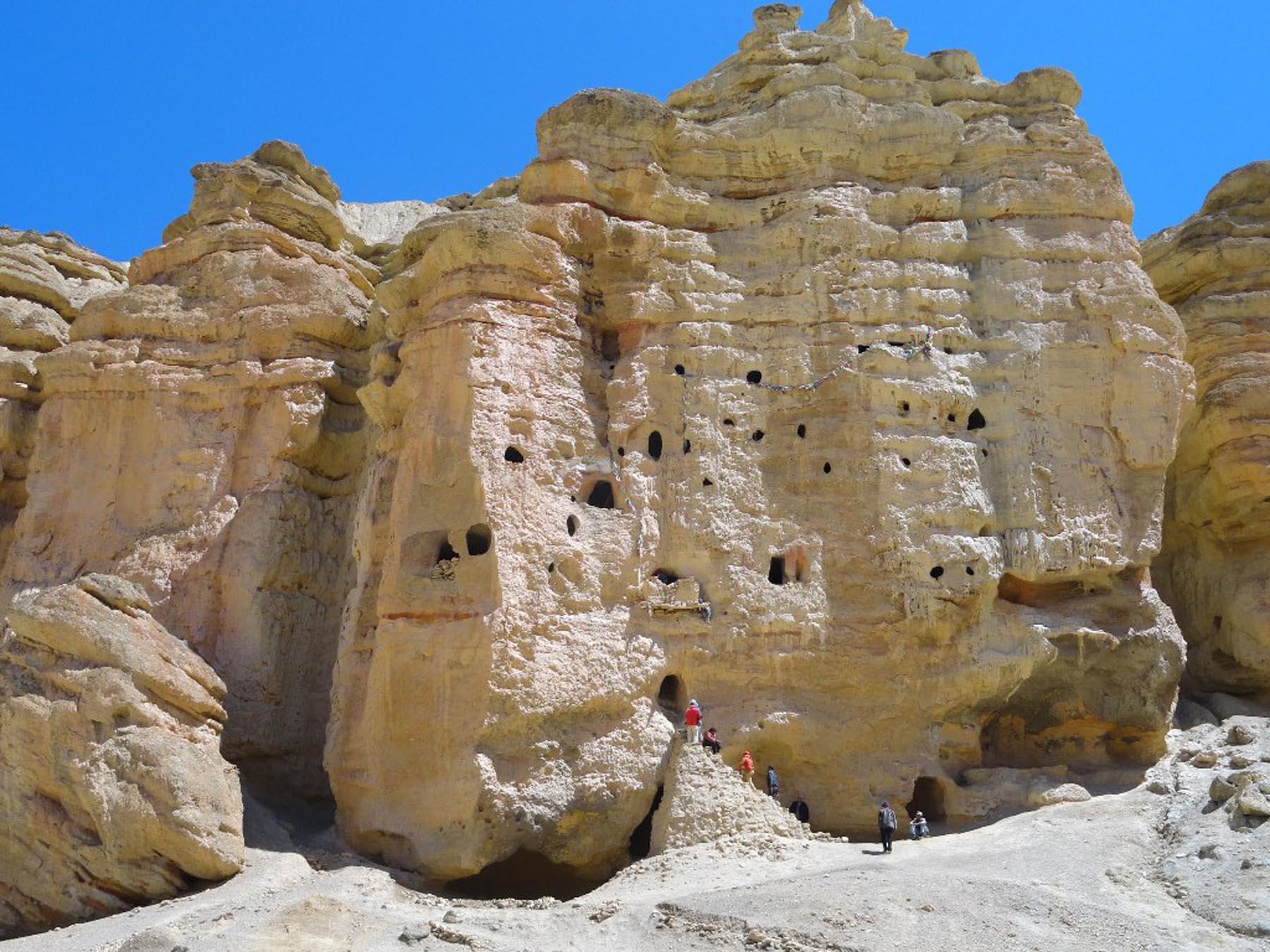
Carved into a cliff in the Chhoser Valley of Upper Mustang, Shija Jhong Cave, also known as Jhong Cave or Chhoser Cave, is one of Nepal’s most distinctive archaeological and cultural attractions. Located at around 4,000 metres above sea level, the multi-level cave complex contains approximately 40–45 rooms arranged across five storeys and connected by narrow passages, stairs and ladders.
Location and Setting
Shija Jhong Cave is situated in Chhoser Village of Upper Mustang, Mustang District, near Nepal’s northern border with Tibet. It lies north of Lo Manthang, the historic walled settlement and cultural centre of Upper Mustang. The surrounding landscape features high cliffs, barren valleys, rocky formations and traditional settlements characteristic of the trans-Himalayan region. The cave’s elevated position also provides views across the Chhoser Valley and surrounding mountains.

Five-Storey Cave Architecture
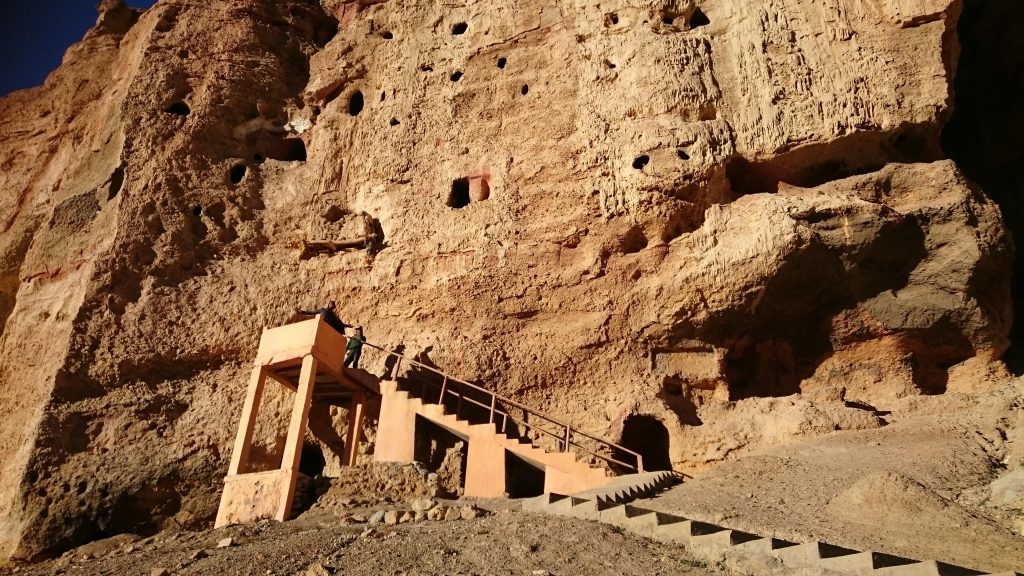
The cave’s most remarkable feature is its five-storey vertical structure carved directly into the cliff. The complex is reported to contain more than 40 interconnected rooms distributed across its different levels. Unlike a conventional natural cave consisting of large underground chambers, Shija Jhong has narrow corridors, individual rooms, and vertical connections that give it the appearance of an ancient settlement built inside the rock.
Inside the Cave
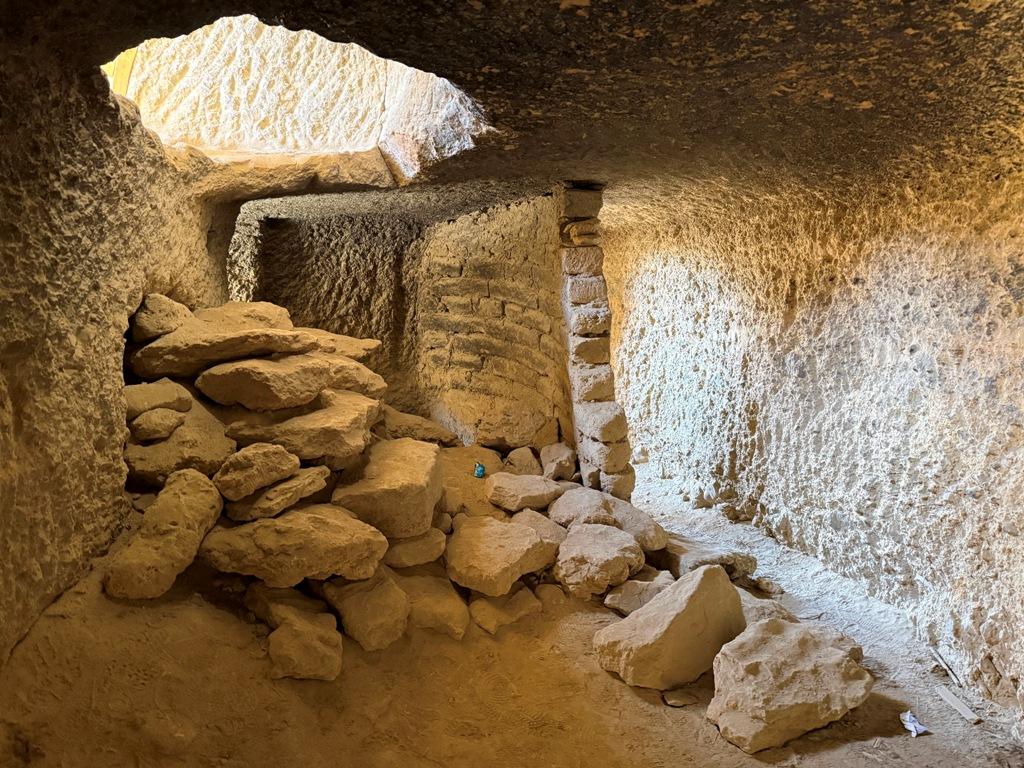
Visitors enter through a relatively small opening and climb steep stone steps before reaching the interior chambers. The different floors are connected by wooden ladders and narrow passageways, requiring visitors to move carefully through the complex. Some tunnels are low and narrow, while natural openings in the rock provide ventilation and limited daylight. Openings on the upper levels also function as viewpoints overlooking the Chhoser Valley.
Ancient History and Archaeological Importance
The cave forms part of Upper Mustang’s wider archaeological landscape, where cave settlements provide evidence of thousands of years of human activity. Accounts of the region associate the caves with different periods of use, including burial practices, habitation, storage, defensive shelter, and religious activities. Human remains and other archaeological materials discovered in Mustang’s caves have helped researchers study the region’s early communities and changing cultural practices. The exact construction date of the individual chambers at Shija Jhong is difficult to establish, although the wider cave systems of Upper Mustang contain evidence dating back more than two millennia.
Changing Uses Through History
The caves of Upper Mustang were not necessarily used for a single purpose throughout their history. Their secluded location and difficult access made them suitable for different activities at different periods. Some chambers are associated with ancient burial traditions, while later uses included refuge, storage, and residential purposes. Other parts of the cave system are linked with Buddhist meditation and religious activities. This changing use reflects the way communities adapted existing cliff structures to meet their social, religious and practical needs.
Part of Upper Mustang’s Sky Cave Network
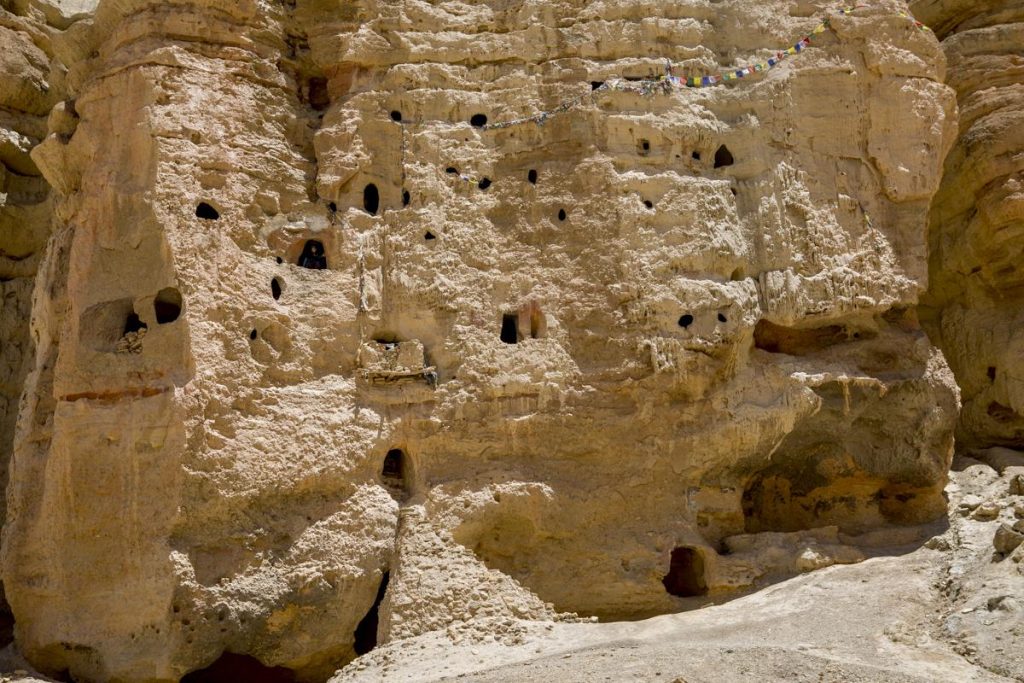
Shija Jhong is one of many ancient cave complexes found throughout Upper Mustang. The region is famous for its extensive network of caves carved into cliffs, some of which are located high above valley floors. These caves collectively form an important part of Mustang’s archaeological heritage and provide evidence of how people lived and adapted to the harsh high-altitude environment.
View From the Upper Levels
The upper section of Shija Jhong offers visitors a different perspective of the cave and its surroundings. Small openings in the cliff provide views across the Chhoser Valley, with its dry Himalayan terrain, dramatic cliffs, and distant mountains. The contrast between the dark, enclosed cave interior and the expansive landscape outside is one of the distinctive experiences of visiting the site. The cave can generally be visited as part of an excursion from Lo Manthang to Chhoser. Travellers can reach the area by jeep or trekking, depending on road conditions, itinerary and personal preference. The journey itself is part of the experience, passing through Upper Mustang’s distinctive landscapes and traditional settlements before reaching the cave area.

Permit Requirements
Shija Jhong Cave lies within the Upper Mustang Restricted Area, so travellers require the appropriate Restricted Area Permit to visit the region. Visitors generally arrange their Upper Mustang journey through authorised trekking or travel operators. Permit requirements, fees and access regulations can change, so travellers should confirm the latest requirements before starting their trip. Exploring the cave requires a reasonable level of physical mobility. The entrance includes steep stairs, while the interior involves narrow passages and ladders connecting different levels. The high altitude of around 4,000 metres is another factor visitors should consider. Travellers should allow sufficient time for acclimatisation and remain aware of the effects of altitude during their Upper Mustang journey.
Best Time to Visit
The best time to visit Shija Jhong Cave is from March to May and September to November, when Upper Mustang generally experiences stable weather, clear skies and good visibility. October is particularly favourable for exploring the cave and surrounding Chhoser Valley. Summer can also be suitable because Upper Mustang lies in the rain shadow of the Himalayas, while December to February is less recommended due to extreme cold and possible snowfall.
Attractions to Combine With the Visit
Shija Jhong can be included in a broader Upper Mustang itinerary rather than visited as a standalone attraction. Travellers can combine the cave excursion with Lo Manthang, Chhoser Village and other ancient cave settlements in the surrounding area. The wider region is also known for its monasteries, chortens, mani walls, traditional villages and distinctive Tibetan-influenced cultural heritage.
Tourism Experiences
The cave appeals to several types of travellers. History and archaeology enthusiasts can explore its ancient structures, while trekkers and adventure travellers can combine the visit with the rugged landscapes of Upper Mustang. Photographers can capture the cliffside architecture and panoramic valley views, while cultural travellers can experience the cave alongside the region’s Buddhist heritage and traditional settlements.

Responsible Tourism and Conservation
As an archaeological and cultural heritage site, Shija Jhong requires careful protection. Visitors should avoid damaging the cave walls, touching or removing archaeological materials, leaving rubbish, or disturbing historic features. Responsible tourism is particularly important in Upper Mustang because many of its ancient cave systems and cultural structures are fragile. Respecting local communities, following guide instructions and helping maintain the site’s cleanliness can contribute to its long-term preservation.
A Remarkable Himalayan Heritage Site
Shija Jhong Cave provides a rare opportunity to explore a multi-storey settlement carved directly into a Himalayan cliff. Its five levels, dozens of rooms, narrow passages, ladders, natural openings and high-altitude location make it a distinctive attraction within Upper Mustang. Combined with the archaeological heritage, dramatic landscape and cultural traditions of the Chhoser region, the cave offers visitors a unique experience that connects ancient Himalayan history, architecture, adventure and cultural tourism.