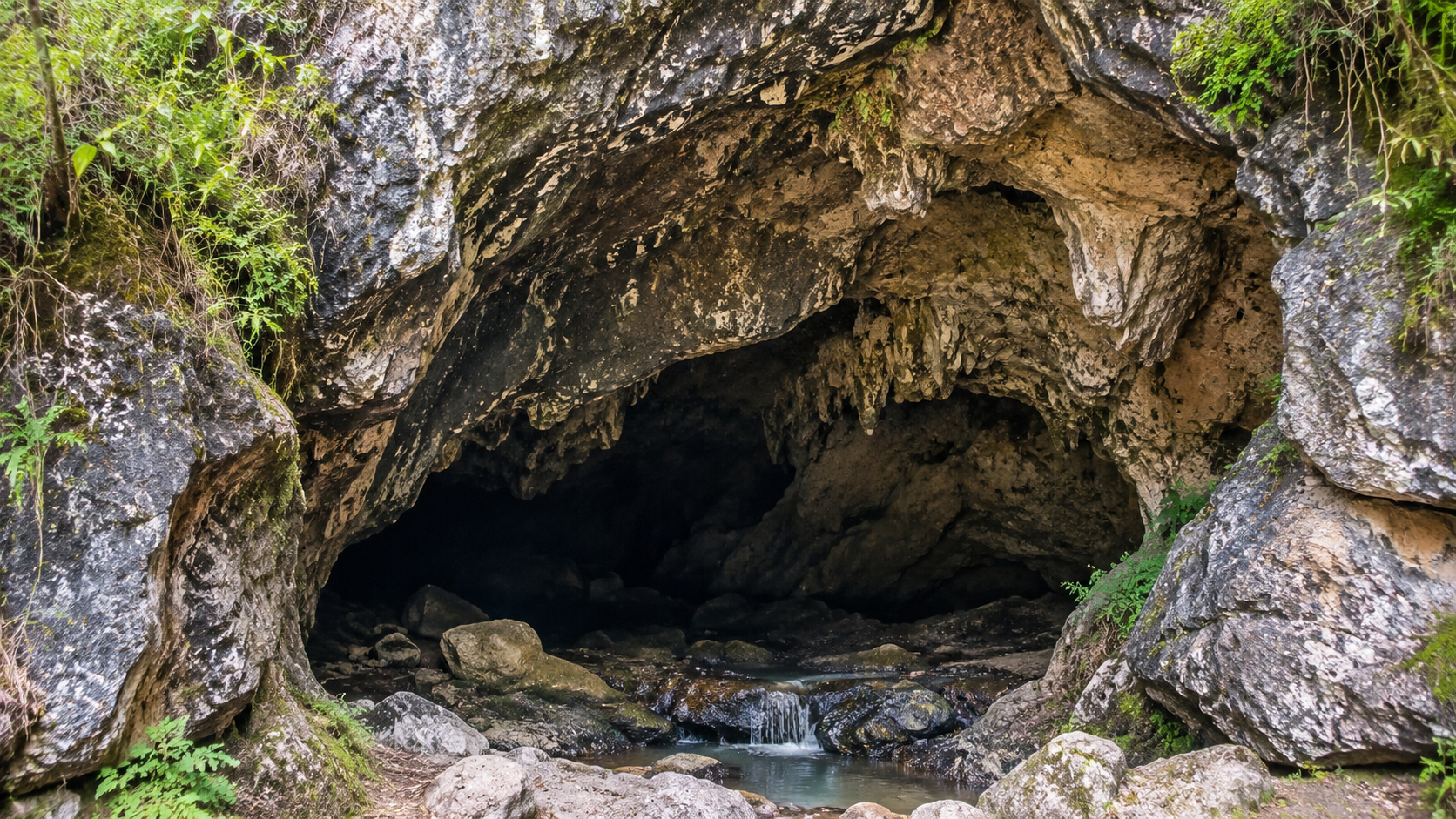
Nadai Cave, located in Upper Khopri village of Tila Rural Municipality–9 in Jumla district, has the potential to become an attractive destination for religious and nature-based tourism in western Nepal. Despite its distinctive natural features, religious and cultural significance, and existing infrastructure development, the cave remains relatively unknown to visitors due to limited publicity and difficulties in reaching the site. Stretching approximately 200 metres, the cave is notable for its unusual natural formation resembling a cow’s udder and the continuous flow of water from within it. It is also home to thousands of bats, making it an interesting natural site with potential value for visitors interested in caves, wildlife and local heritage.
However, the absence of convenient access and sufficient promotional activities has prevented the attraction from gaining wider recognition among domestic and international tourists. Local representatives believe that systematic conservation, improved connectivity and a long-term promotional strategy could help establish Nadai Cave as an important tourism destination in Jumla. Tila Rural Municipality has also expressed its commitment to developing the site while preserving its natural, religious, historical and cultural importance.
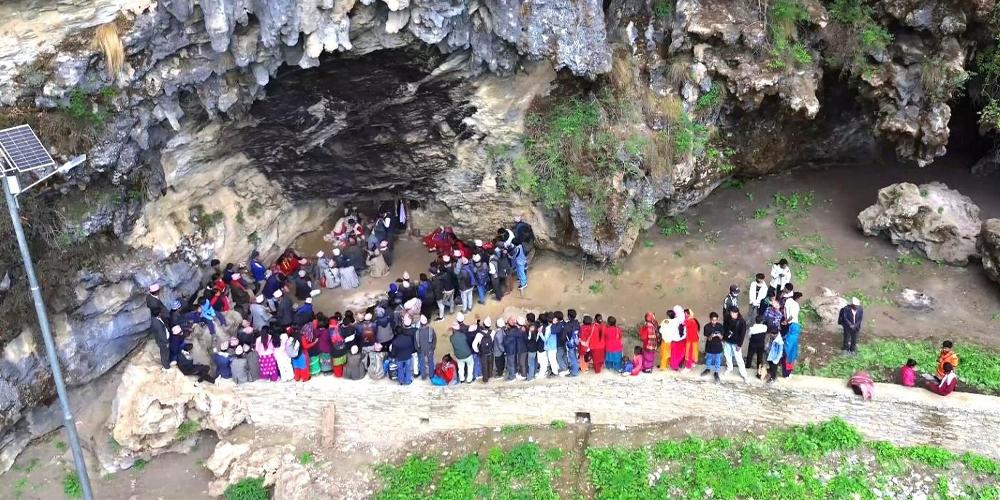
Unique Natural and Religious Attractions of Nadai Cave
Nadai Cave is considered an important natural and religious site in Upper Khopri village. Its approximately 200-metre length, distinctive internal formation and natural water flow give it features that distinguish it from ordinary caves. According to local resident Devlal Bohora, the cave has traditionally been recognised for its resemblance to the shape of a cow’s udder, from which water flows naturally. The presence of thousands of bats adds another dimension to the site’s natural significance. The cave provides a habitat for these animals and could attract visitors interested in observing natural environments and learning about local wildlife. Its distinctive geological features and religious associations also create opportunities to develop experiences combining nature exploration with cultural and religious tourism.
The surrounding landscape further contributes to the site’s tourism potential. The area offers views of the surrounding hills and high Himalayan peaks, providing an additional attraction for visitors exploring Jumla’s natural environment. Together, the cave, its religious importance and the surrounding scenery could form the basis of a distinctive local tourism experience. However, the site’s development requires careful attention to conservation. The cave’s natural structure, water flow and bat habitat need to be protected as tourism infrastructure and visitor activities are expanded. Appropriate visitor management and responsible tourism practices would help ensure that increased public attention does not disturb the natural environment.
Infrastructure Development Underway to Improve Visitor Access
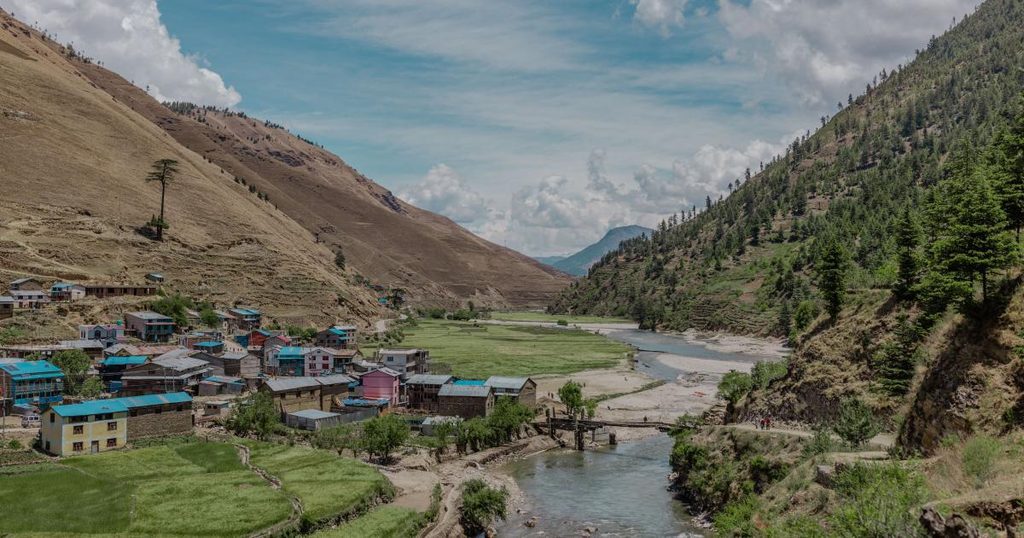
Recognising the tourism potential of Nadai Cave, the local authorities have already taken steps to develop basic infrastructure. According to Ward Chairperson Dhan Bahadur Rawat, the federal government provided a budget of Rs. 90 million for the conservation and development of the cave and its temple premises. The funding has supported the construction of a foot trail leading to the cave, a dharamshala and other physical facilities.
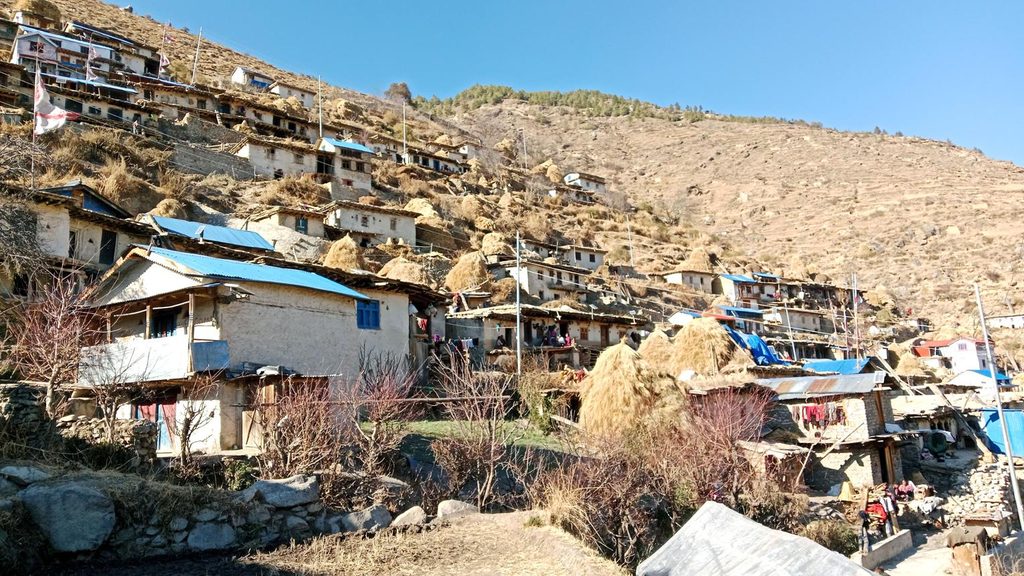
The development of the walking route is an important step towards making the attraction more accessible to visitors. A dedicated trail can provide a more organised approach to reaching the site, while the dharamshala can offer a resting facility for pilgrims and other visitors. These facilities are expected to support future tourism activities and improve the experience of people travelling to the area. Nevertheless, transportation remains a major challenge. Upper Khopri and Lower Khopri are among the five villages in the ward that have yet to be connected to the road network, making travel to the area difficult.
The lack of convenient road access has limited the movement of visitors and reduced opportunities to promote the cave as a destination for wider tourism markets. Improving connectivity will therefore be an important part of the area’s tourism development. Better access, combined with the existing foot trail and visitor facilities, could make it easier for people to explore the cave. Local residents have also emphasised the importance of expanding the road network to connect the village with potential visitors from within and outside Nepal.
Tila Rural Municipality Plans Wider Promotion of the Destination
Tila Rural Municipality Chairperson Motilal Rokaya has stated that the local government plans to prepare a master plan and move forward with initiatives to establish Nadai Cave as a recognised tourism destination. The proposed approach aims to give greater attention to the site’s natural, religious, historical and cultural value while improving its visibility among potential visitors. Promotion will be essential because many people remain unfamiliar with the cave and its distinctive features. Greater awareness through tourism information materials, destination identification and promotional activities could help introduce the attraction to travellers exploring Jumla and other parts of Karnali Province.
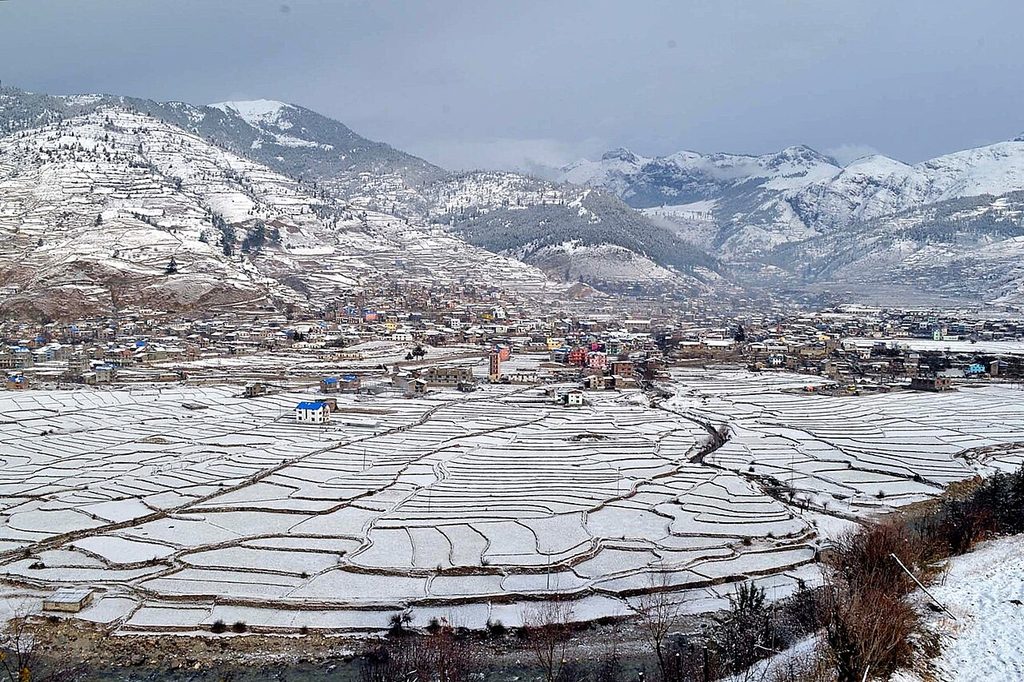
The ward office has also announced plans to install hoarding boards and prepare maps to improve the identification and promotion of the cave. Such information facilities could help visitors understand the location and significance of the site while supporting its inclusion in local tourism promotion activities. A more coordinated promotional strategy could also connect Nadai Cave with other attractions in Jumla. This would create opportunities to encourage visitors to explore more than one destination during their stay in the district. Religious heritage, natural landscapes and local cultural experiences could collectively contribute to a broader tourism offering.
Conservation and Promotion Could Strengthen Jumla’s Tourism Potential
The development of Nadai Cave offers an opportunity to expand tourism activities in Tila Rural Municipality while bringing greater attention to Jumla’s lesser-known attractions. Its natural formations, flowing water, bat habitat and religious associations provide a combination of features that could appeal to different categories of visitors. For local communities, the promotion of the cave could create opportunities for small businesses and services linked to visitor movement. Accommodation, food services, local guiding and the sale of locally produced goods could benefit if tourism activity increases. Improved recognition of the destination could also encourage investment in supporting facilities and generate wider economic opportunities for the surrounding settlements.
However, tourism development needs to progress alongside the protection of the cave and its surroundings. As thousands of bats inhabit the site, conservation measures should consider their habitat and avoid unnecessary disturbance. Infrastructure development and visitor facilities should be planned in ways that preserve the cave’s natural characteristics and religious significance. With infrastructure improvements already underway and the municipality planning a broader development strategy, Nadai Cave has the potential to become a more prominent attraction in Jumla. Sustained conservation, improved access and effective promotion will be essential to transform its existing tourism potential into a well-managed destination for domestic and international visitors.
Source-RSS