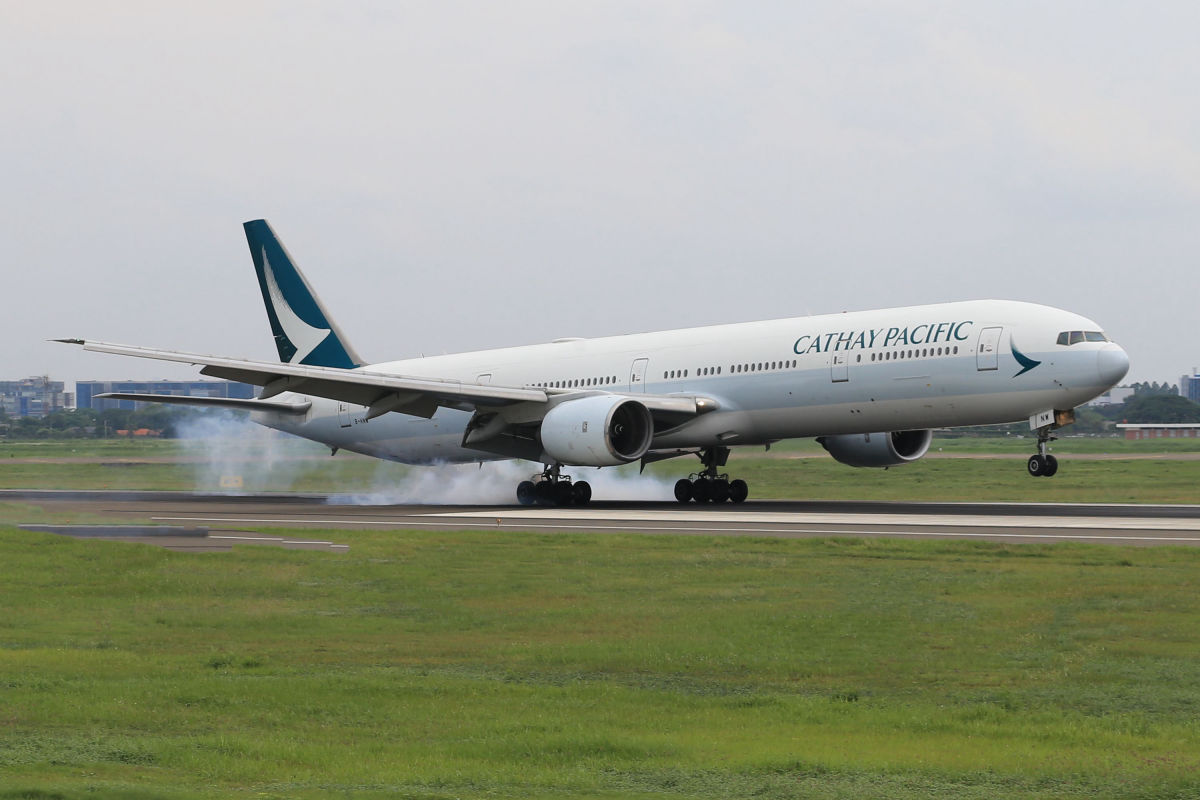
Cathay Pacific and Google are broadening trials of an artificial intelligence system built to help aircraft steer clear of climate warming contrails, establishing a new method for lowering aviation’s environmental footprint. The technology merges AI forecasts, satellite imagery and weather data to pinpoint atmospheric conditions in which persistent contrails are likely to develop. Flight dispatchers and pilots can then make modest altitude changes to steer clear of those areas. The trial reflects a widening push to deploy digital technology against aviation’s environmental impact using existing flight operations.
The approach of Cathay Pacific stands out because it relies on existing aircraft and flight systems, instead of needing new aircraft or alternative fuel. An initial trial covering more than 100 Cathay Pacific flights found that over 80 flew contrail avoidance routes, with Google estimating roughly a 40% reduction in the warming impact of contrails on those flights. The results of Cathay Pacific trial are still preliminary, but they provide an early signal of how AI might support more sustainable airline operations. The technology could thus complement longer term measures such as aircraft efficiency improvements and alternative aviation fuels.

AI Helps Airlines Target Climate Warming Contrails
The technology pinpoints atmospheric conditions where persistent contrails are more likely to develop. It draws on AI forecasts, satellite imagery and weather data to give flight teams information that helps them choose alternative altitudes. This lets airlines fold contrail avoidance into routine flight planning and operations. The approach offers flight teams an additional source of information when making operational decisions on commercial flights.
The initial trial covered more than 100 Cathay Pacific flights, with over 80 flying adjusted routes. Google’s satellite analysis estimated that these flights cut the warming impact of their contrails by about 40%. The findings offer an early example of how aviation data and operational changes could complement other climate measures. Additional trials will be required to establish whether similar results can be achieved consistently across different routes and weather conditions.
Flight Adjustments Deliver Results Without New Aircraft
The trial started in late 2025 and covered routes including Hong Kong Singapore, where atmospheric conditions can encourage persistent contrail formation. Google stated that early analysis indicated the measures taken on that route were responsible for over half of the trial’s overall reduction in climate impact. These results have motivated the companies to broaden testing to a larger network. The route specific findings also give researchers more data on where contrail avoidance is likely to have the biggest impact.
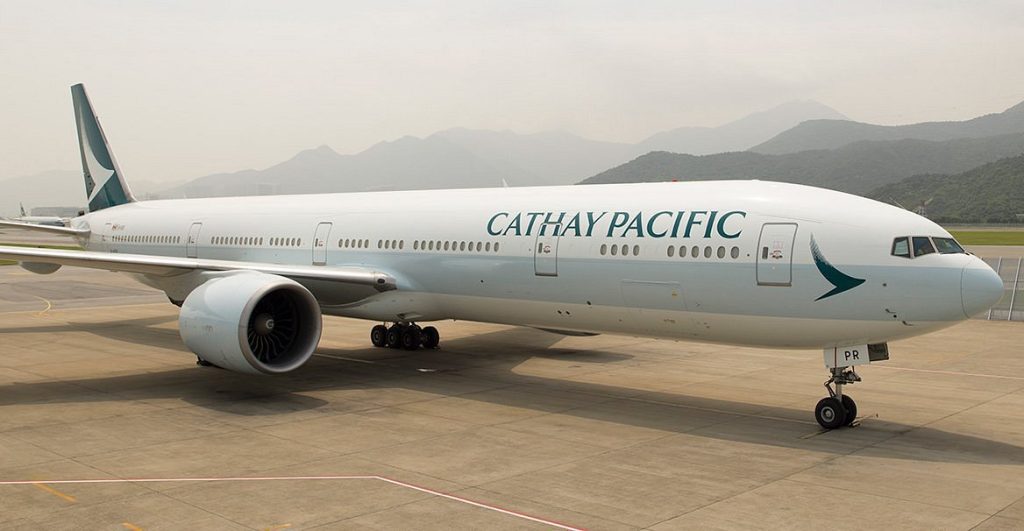
Airlines are not required to bring in new aircraft or alternative fuels for the system to work. Rather, AI generated information reaches Cathay Pacific flight teams via in flight connectivity and electronic flight systems, enabling crews and dispatchers to make precise altitude adjustments. Additional trials will help establish how well the approach performs under varying operating conditions. This makes the technology especially appealing to airlines seeking operational measures they can test without replacing their current fleets.
Cathay Pacific Expands Testing Across International Routes
Cathay Pacific is Google’s first commercial airline partner in the Asia Pacific region for this technology and, according to the companies, the first airline to test contrail avoidance on ultra long haul flights. The upcoming phase will broaden trials throughout Cathay’s Asian and transpacific network. This will enable researchers to evaluate the technology over a wider variety of routes and atmospheric conditions. The expanded network should offer a clearer view of how the system performs across different types of international operations.
Contrails.org is also joining the research effort as the trial grows. The wider testing is anticipated to yield more evidence on how effectively AI-assisted contrail avoidance can be deployed across different airspaces and flight operations. The results may help establish whether the approach holds potential for broader use throughout commercial aviation. Researchers will also need to study how the system performs while upholding normal safety, efficiency, and operational requirements.

AI Could Support More Sustainable Air Travel
Contrails are ice crystal clouds that form when aircraft pass through sufficiently cold and humid air at high altitude. Although many vanish quickly, persistent contrails can spread and trap heat in the atmosphere. Their climate impact has consequently become a growing area of research for the aviation industry. Knowing where and when these formations appear is essential for creating effective avoidance strategies.
The results from Cathay Pacific and Google are still preliminary, and more research is required before the technology can be evaluated across a far broader range of operations. Nevertheless, the trial shows how AI can be applied beyond passenger services to assist with real time airline decisions. For international tourism, which depends heavily on commercial air connectivity, technologies capable of lowering the environmental impact of existing flights may grow increasingly important to the future of sustainable travel. Should the approach prove effective at scale, it could provide airlines and the broader tourism industry with another practical tool in their pursuit of more sustainable air travel.