Sports tourism has become an important part of the global travel industry, bringing together sports, travel, culture and destination experiences. From the FIFA World Cup and Olympic Games to international cricket tournaments, Formula 1 races and marathon events, major sporting competitions attract athletes, supporters, media professionals and visitors from different parts of the world. Beyond the excitement of competition, these events create opportunities for host destinations to promote their attractions, strengthen tourism businesses and gain international recognition.
For many countries, sports have become more than a form of entertainment. They are also a powerful way to attract visitors, introduce new destinations and encourage travellers to explore places they might not otherwise consider visiting. When sporting events are connected with local culture, natural attractions and tourism activities, they can create memorable experiences while contributing to the wider tourism economy.
Global Sporting Events as Tourism Drivers
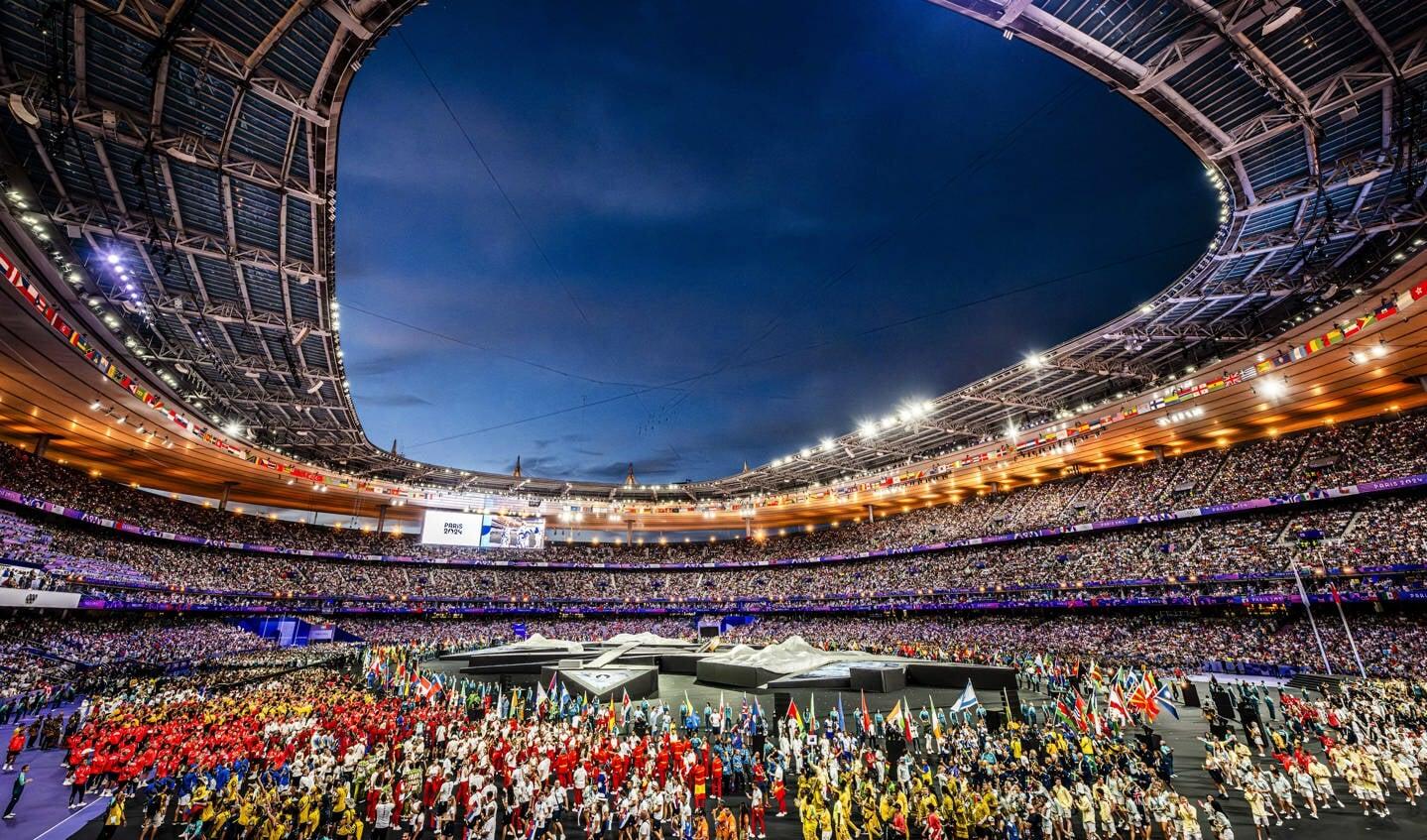
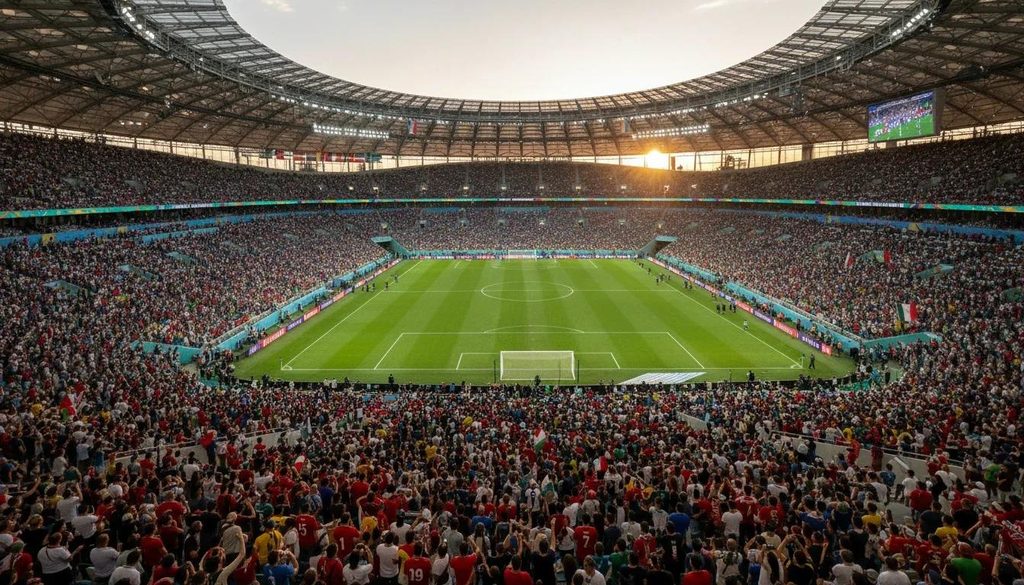
Some of the world’s biggest sporting events demonstrate how sports can influence international travel. The FIFA World Cup, organised by the Fédération Internationale de Football Association (FIFA), attracts football supporters from across the globe, while the Olympic Games, organised by the International Olympic Committee (IOC), bring together athletes and spectators from numerous countries. International cricket competitions organised by the International Cricket Council (ICC), Formula 1 Grand Prix races, World Athletics championships and major rugby and basketball tournaments also generate travel interest around host destinations.
These events bring visitors who spend on accommodation, transportation, restaurants, shopping and local experiences. They also provide host cities and countries with international media exposure through television broadcasts, digital platforms and social media. For destinations, this visibility can create lasting interest beyond the duration of the competition, encouraging visitors to return for holidays and explore other attractions.
Sports Tourism Beyond the Stadium
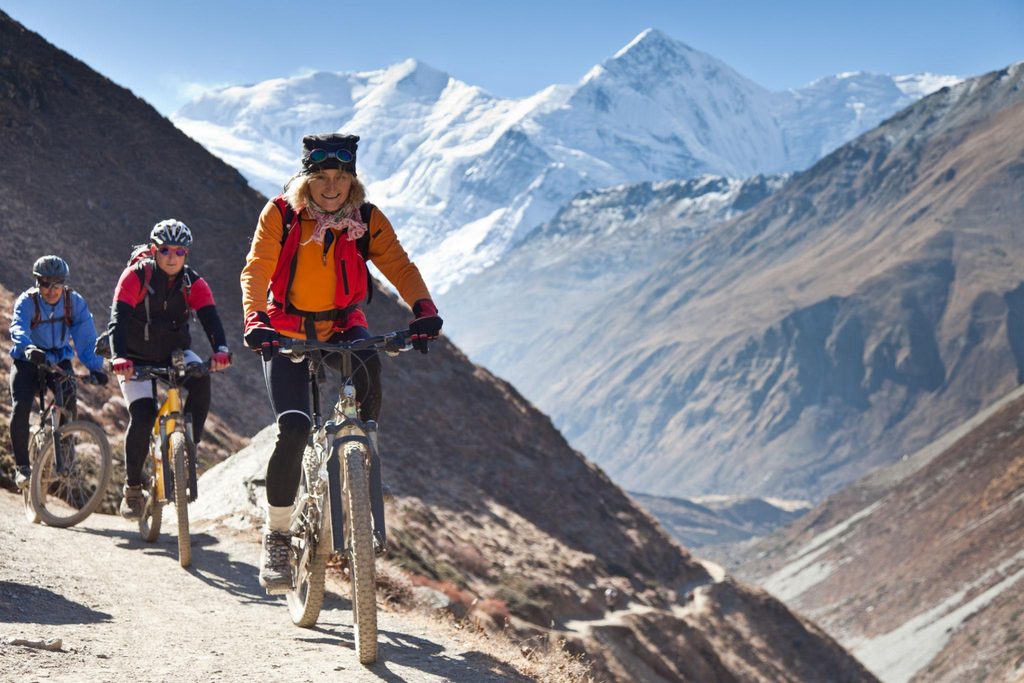
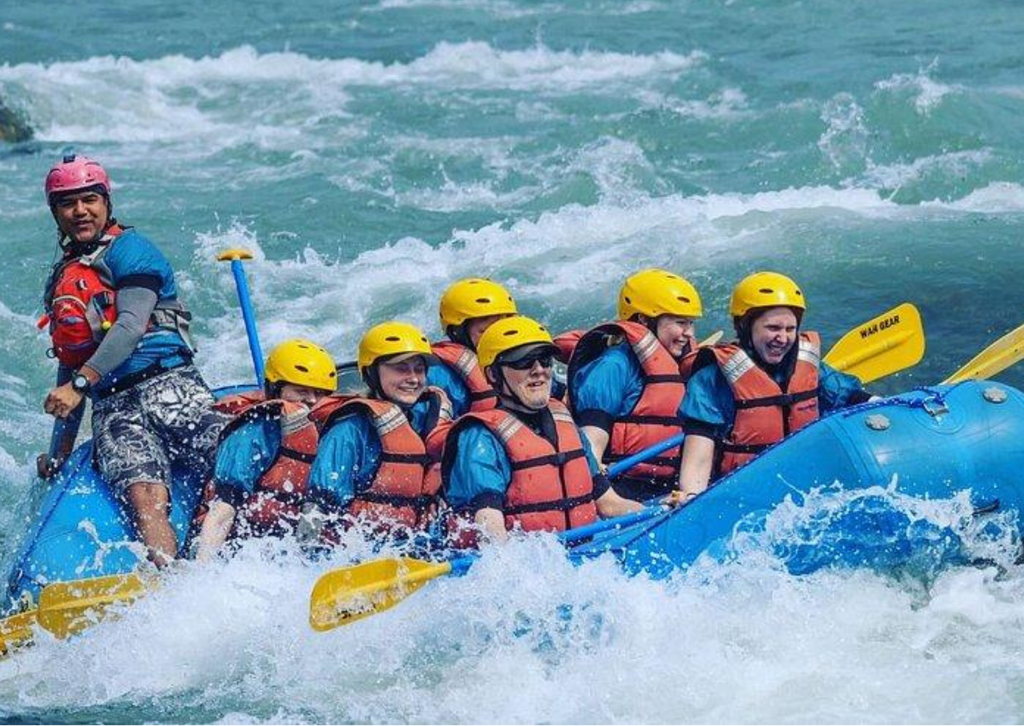
Sports tourism is not limited to spectators travelling to watch major competitions. It also includes people who travel to participate in sporting activities such as marathons, cycling, trekking, mountaineering, paragliding, rafting, skiing and other adventure sports. These activities allow destinations to attract visitors through their natural landscapes, climate, geography and sporting facilities.
International sporting events can also be combined with tourism packages that introduce visitors to local heritage, cuisine, festivals and cultural attractions. For example, travellers attending a sporting event may extend their stay to explore nearby destinations, creating additional opportunities for hotels, restaurants, tour operators, transport providers and local communities. This connection between sports and travel makes sporting events a valuable tool for destination promotion.
Nepal’s Potential in Sports Tourism
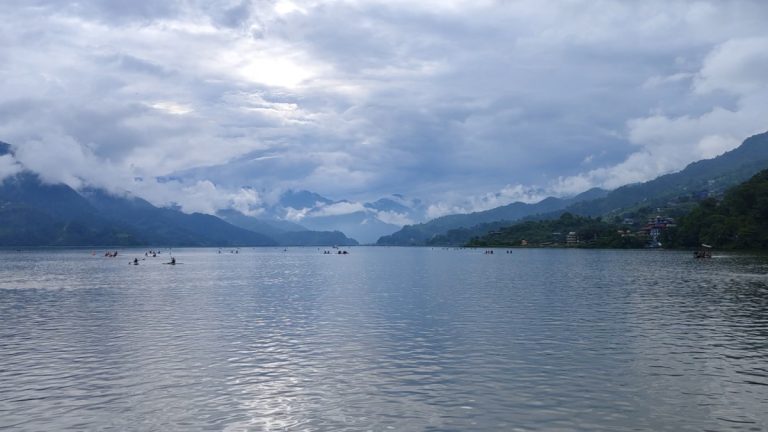
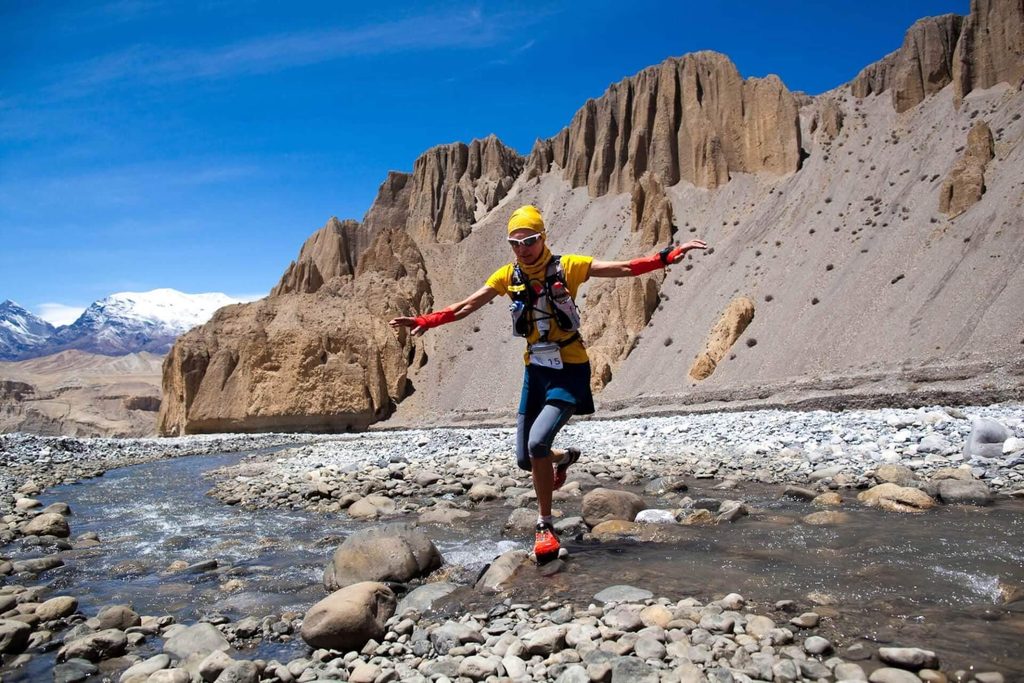
Nepal has considerable potential to develop sports tourism because of its diverse geography, Himalayan landscapes, rivers, hills, lakes and growing interest in different sporting activities. The country already attracts adventure travellers for trekking, mountaineering, paragliding, mountain biking, rafting and trail running. These natural advantages could also support more international sporting events and competitions that bring athletes, spectators and sports enthusiasts to Nepal.
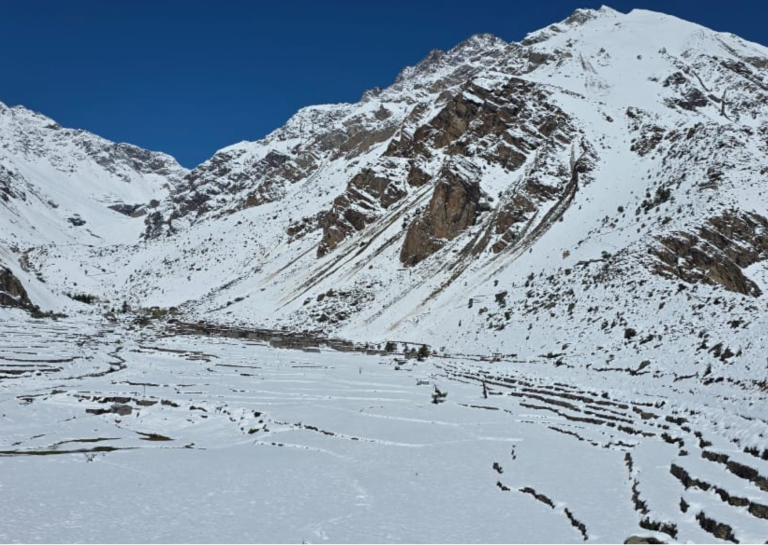
A unique example of this potential is the planned high-altitude cricket match between Dhangadi-11 and Api-11 at Api Himal Basecamp in Darchula. Scheduled for Kartik 18 under the Api Himal Tourism Festival 2083, the match is planned at an altitude of around 4,000 metres, in the surroundings of 7,132-metre-high Api Mountain. By combining cricket with the Himalayan landscape, the event aims to promote the tourism potential of the Api Himal region and demonstrate how distinctive sporting experiences can attract attention to lesser-known destinations.
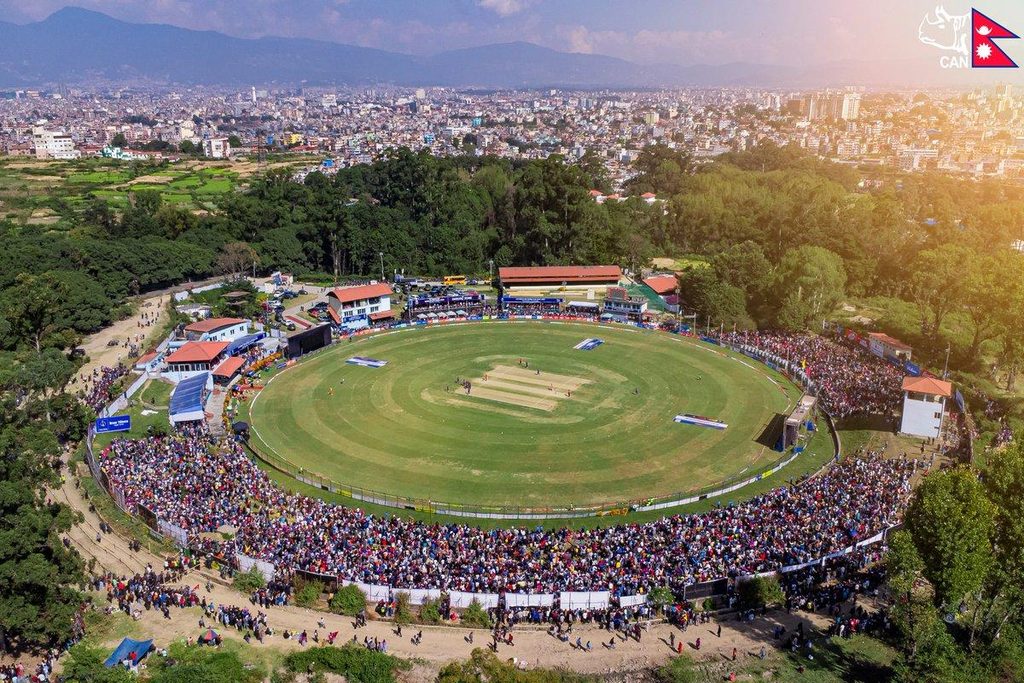
Nepal can further explore opportunities in international trail-running competitions, mountain biking events, climbing challenges, adventure races and cricket and football tournaments. Sporting events can also be connected with established destinations such as Kathmandu, Pokhara, Chitwan and Lumbini, allowing visitors to combine their interest in sports with cultural, natural and heritage experiences. The Nepal Premier League (NPL), for example, reflects the country’s growing cricket culture and offers an opportunity to connect domestic sporting interest with travel and destination promotion.
Turning Sporting Events into Long-Term Tourism Opportunities
Although major sporting events can generate significant tourism interest, their long-term benefits depend on careful planning and effective management. Reliable transportation, accommodation, safety arrangements, event facilities, promotion and coordination between tourism authorities, sports organisations and private businesses are essential to provide a positive experience for visitors.
Countries that successfully connect sporting events with their wider tourism offerings can gain benefits beyond the competition itself. Visitors may discover new destinations, local businesses can reach new customers and international audiences can develop a stronger interest in the host country. For Nepal, investing in sports tourism could create another way to promote its natural beauty, cultural heritage and adventure opportunities while supporting local economies.
Sports tourism therefore offers Nepal an opportunity to bring its sporting ambitions and tourism potential together. From international competitions to distinctive events such as high-altitude cricket at Api Himal, sports can help introduce the country to new audiences and encourage travellers to experience Nepal through more than its traditional tourism attractions.