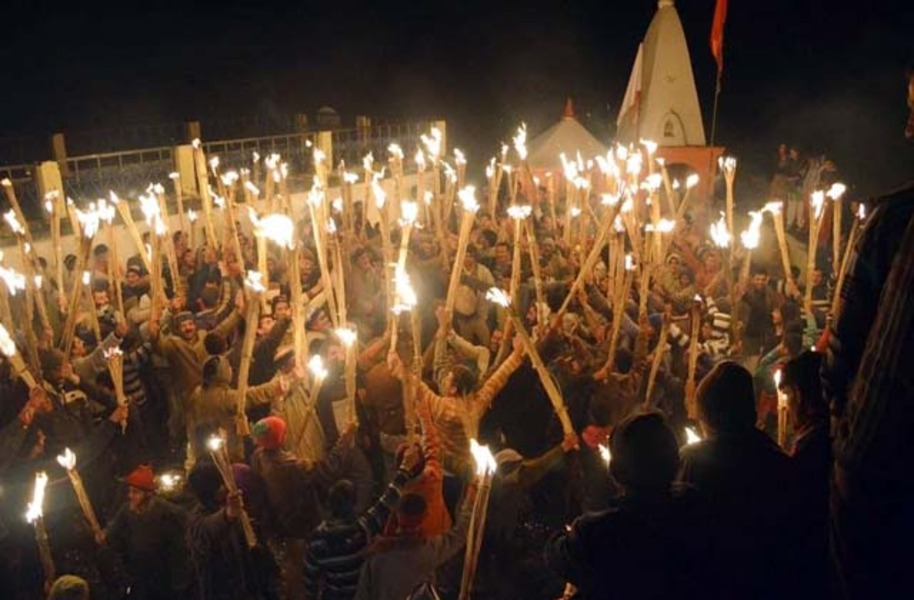
Communities across Doti are marking the traditional ‘Budhi Polne’ festival today, a distinctive local celebration grounded in religious faith, folklore, and cultural customs passed down through generations. Celebrated each year on Asoj 1, the festival is customarily linked to the Hindu tale of Lord Krishna’s triumph over Putana, a demoness said to have tried to kill the infant Krishna by feeding him poisoned milk. Local communities honor this story through a traditional ritual that has come to form part of Doti’s cultural identity.
Budhi Polne; Festival Deeply Rooted in Local Tradition
As local belief holds, the tradition first emerged as a way of commemorating the victory of good over evil after Putana’s defeat. Though the festival is especially tied to Doti, comparable traditions can be found in several hill districts of Sudurpashchim Province, each with its own variations in the stories and rituals that surround the celebration. The festival mirrors the unique cultural heritage of western Nepal, where religious beliefs, oral traditions and community practices have long continued to shape local festivities. For travelers eager to experience Nepal beyond its more familiar destinations, traditions like these open a window onto the cultural diversity of places such as Doti.

Traditional Ritual Highlights the Celebration
The central ritual centers on crafting a symbolic figure called ‘Budhi’ from firewood, branches, bushes and other natural materials gathered and stored starting from Bhadra Sankranti. By tradition, these materials are put together into a representation of Putana and decorated before being brought out for the evening ritual. Come evening, community members assemble at a customary meeting spot, frequently a crossroads, where the symbolic figure is set alight.
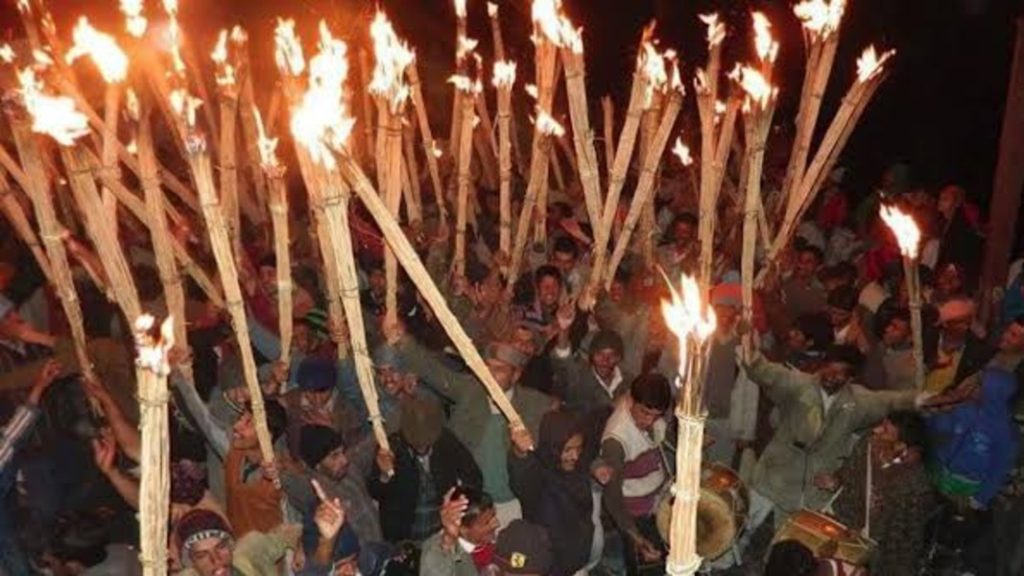
Afterward, people eat cucumber and carry out the customary act of tossing luto toward the four directions. Local beliefs tie these rituals to protection from sickness and the well-being of livestock. Siddharaj Biradi, chief priest of Thulakedar Dham, noted that the practice is tightly linked to the story of Putana’s death. As he explains, the decorated figure, which includes materials like babiyo, is brought out from the cowshed in the morning, left to dry in the sun all day, and then carried to a crossroads to be burned in the evening.

Safeguarding Doti’s Cultural Identity
Even though shifting lifestyles and growing migration have impacted many traditional practices, the ‘Budhi Polne’ festival continues to provide a link between Doti’s communities and their cultural heritage. Through its rituals, stories and communal spirit, it keeps alive traditions handed down across generations. Local officials have likewise emphasized how important it is to include younger generations in these celebrations.
Kamal Gadsila, chairperson of Bogatan Fudsil Rural Municipality, stated that young people’s active involvement matters for safeguarding local traditions and making sure cultural practices keep being handed down to future generations. Festivals like ‘Budhi Polne’ carrying on also boosts Doti’s promise as a cultural tourism destination, giving visitors a closer view of the area’s religious traditions, folklore and community-based heritage.