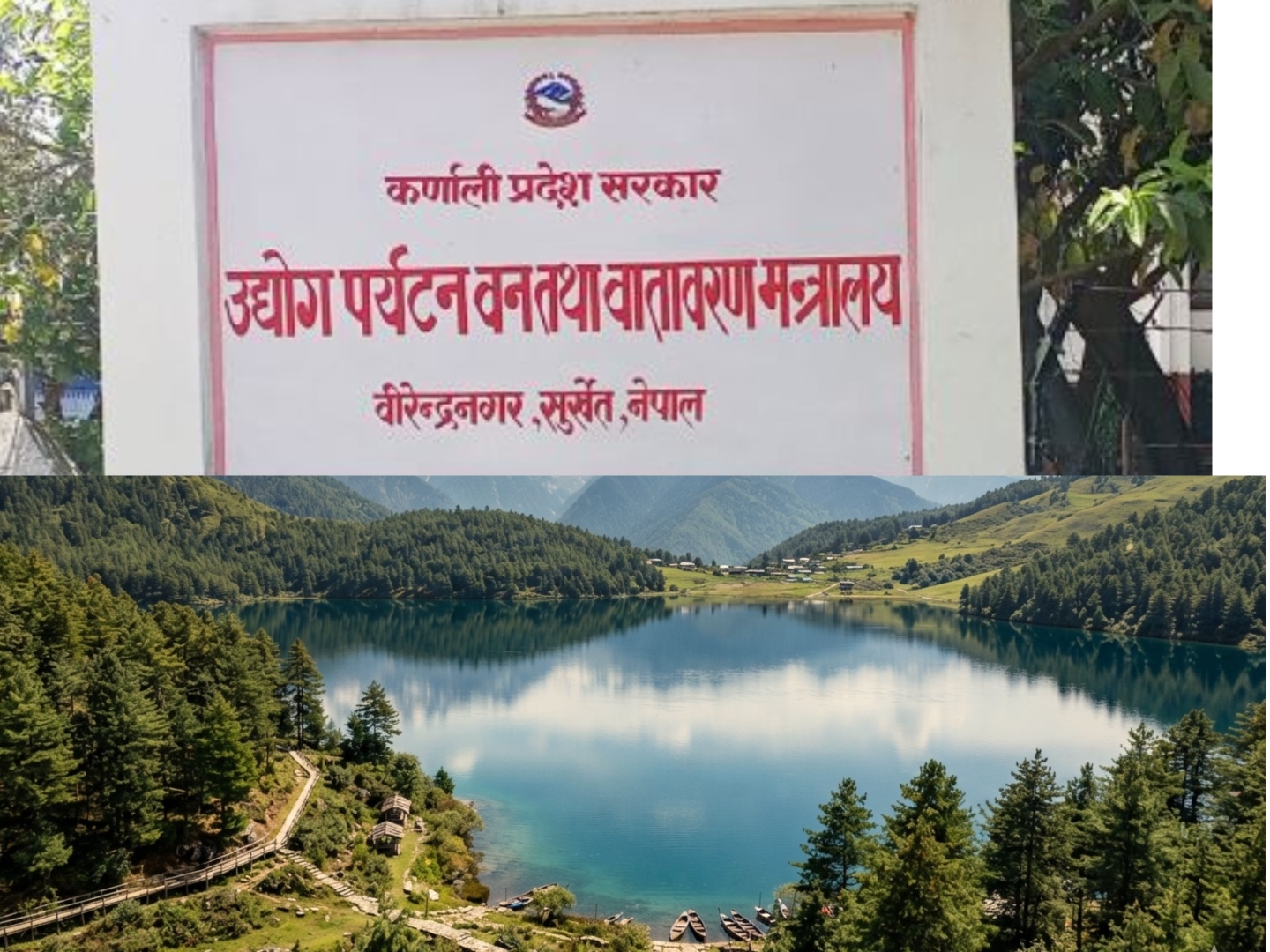
Karnali Province has allocated Rs 538.6 million for tourism development and promotion in the current fiscal year with the provincial government looking to strengthen key destinations and connect tourism to local employment and activity. A large part of the funding, Rs 213.5 million, has been earmarked for implementing master plans at five priority destinations including Rara Lake in Mugu, Kakrebihar and Bulbule Udyan and Chauhan Park in Surkhet, Kupinde Lake in Salyan, and Syarpu Lake in Rukum West. The investment is part of an effort by Karnali to improve the province’s tourism infrastructure and promote the area’s diverse natural, religious, historical and cultural attractions with the aim of boosting visitation across the province.
Focus on Tourism Infrastructure and Destination Development
Industry, Tourism, Forest and Environment Minister Kalyani Khadka has said the provincial government will seek to link tourism development to infrastructure improvement, enhanced services and systematic destination management. The tourism budget will fund the construction and upgrading of parks, gardens, trails, viewpoints and other facilities related to natural, religious and cultural tourism with the government stressing on the need to enhance the visitor experience rather than the physical structures.

The five destinations receiving dedicated master-plan funding are different aspects of what Karnali has to offer, with Rara being well known for its Himalayan landscape and lake, Kakrebihar possessing historical and archaeological value, while Bulbule and Chauhan Park offer the potential for urban and leisure tourism. Kupinde and Syarpu lakes also present opportunities for nature tourism. The province’s broader tourism plans are aligned with the province’s existing tourism master planning, which has identified destinations such as Rara, Phoksundo, Upper Dolpo, Humla and other natural and cultural landscapes as key areas for tourism development.
Karnali Tourism Decade Planed
The provincial government is also looking to introduce a ‘Karnali Tourism Decade’ as a long-term initiative to aid sector growth and provide employment. The initiative is expected to focus on destination conservation, improved accessibility, promotion and marketing, enhanced standards of tourism service and the development of the skills of local residents. It will seek to ensure that tourism growth creates economic opportunities within local communities as opposed to just in major destinations.
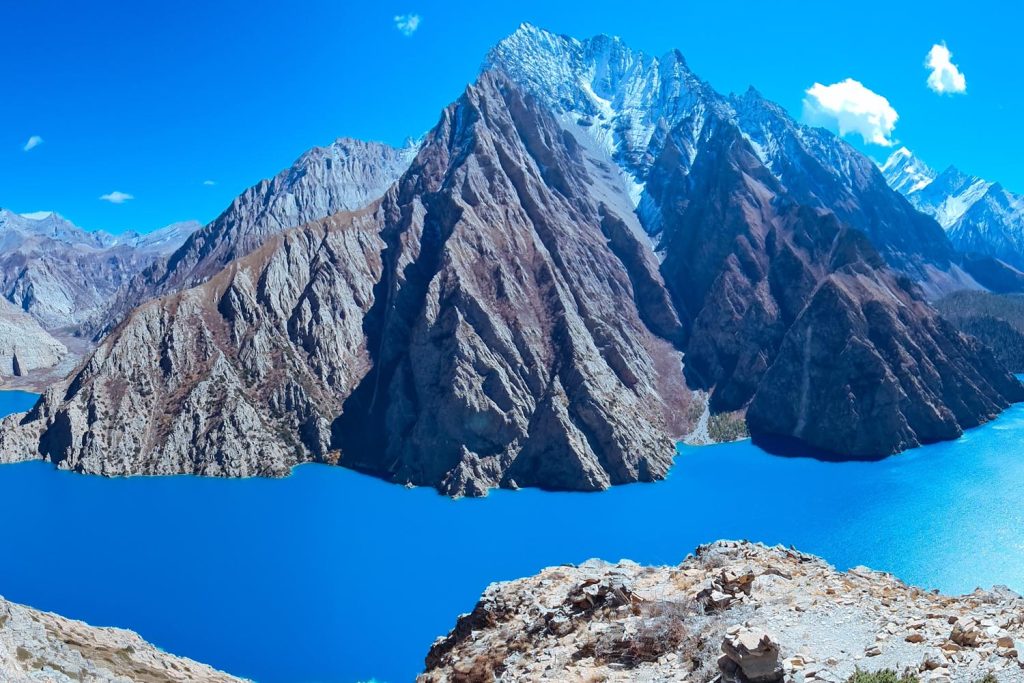
Karnali’s tourism network is expected to bring together destinations including Rara, Shey-Phoksundo, Syarpu, Kupinde, Kakrebihar, Panchakoshi, Sinja Valley and Limi Valley to enhance the connections between the province’s natural, religious, historical and cultural attractions.
The strategy is aligned with the wider effort to promote Karnali as a tourism region with the tourism stakeholders at the Karnali Tourism Meet 2026 highlighting the province’s Himalayan culture, spirituality, biodiversity and adventure opportunities with the aim of building international recognition for destinations such as Rara, Shey-Phoksundo, Dolpa, Humla and Kakrebihar.
Access and Services Still Required
With the investment in the new facilities, Karnali’s ability to improve access and tourism services will be key to its tourism ambitions. Despite significant attractions, many of Karnali’s destinations are being hampered by poor road access, limited transport services, lack of accommodation, water supply constraints and a lack of communication and visitor information systems.

Tourism stakeholders have called for tourism investment to extend beyond infrastructure construction and include destination marketing, enhanced service quality and programs to increase the income of local communities. Creating improved access and visitor facilities is likely to enhance Karnali’s potential to develop longer tourism circuits as opposed to just individual destinations.
With attractions ranging from high altitude lakes and trekking, historic settlements, religious and distinct local cultures, Karnali can offer the opportunity for nature, adventure, pilgrimage and cultural tourism as part of a broader network of options within the Himalayas. The planned investment and proposed Karnali Tourism Decade are consequently set to provide a more coordinated basis for tourism development with both the initiatives likely to boost destination infrastructure and visitor services as well as provide extra opportunities for local businesses and guides, homestays, transport operators, handicraft producers and other tourism-related enterprises.