Nepal has initiated the development of a national-level Tourism Crisis Management Handbook aimed at strengthening the preparedness, response and recovery capacity of the country’s tourism sector during emergencies and crises.
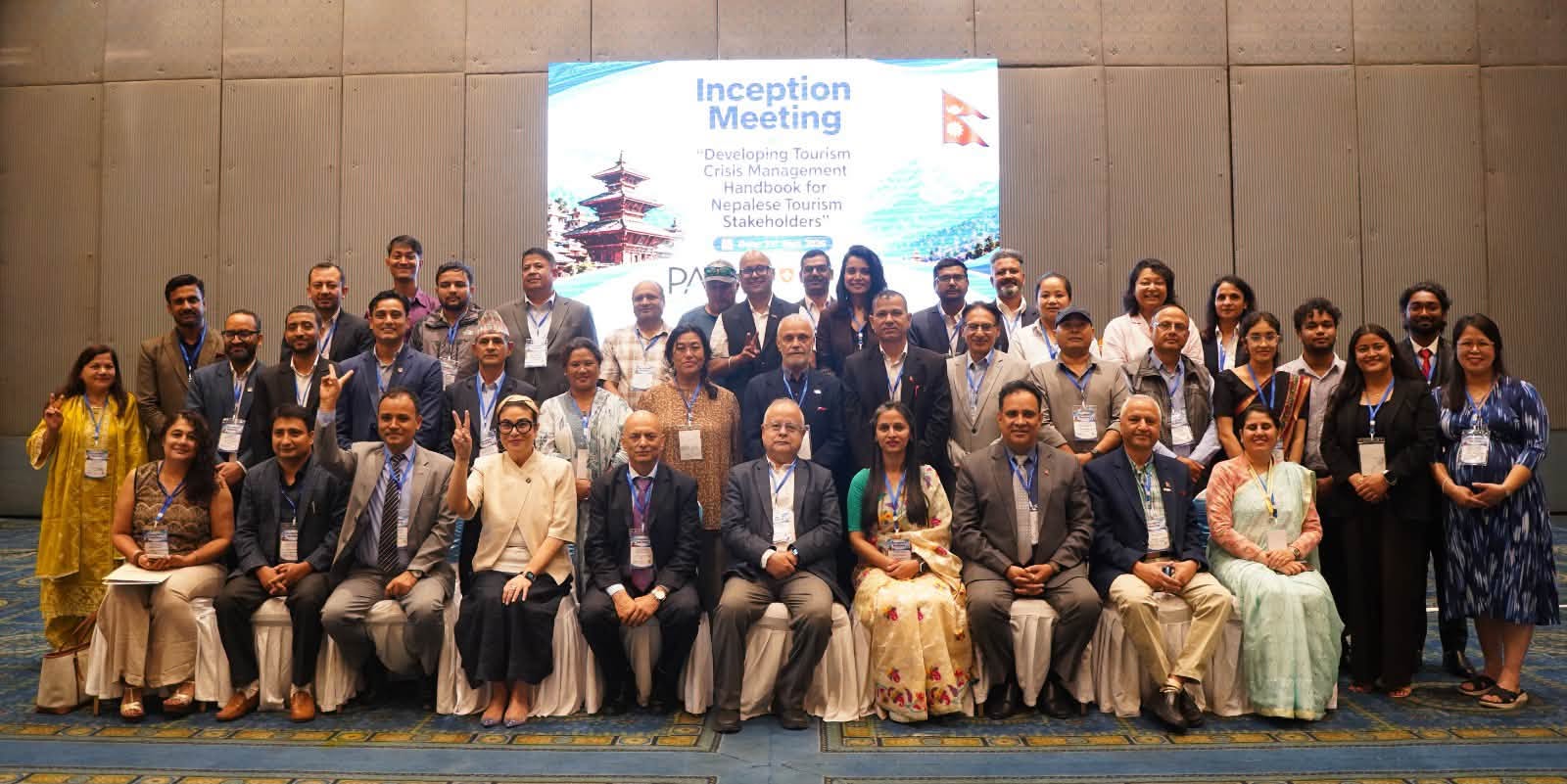
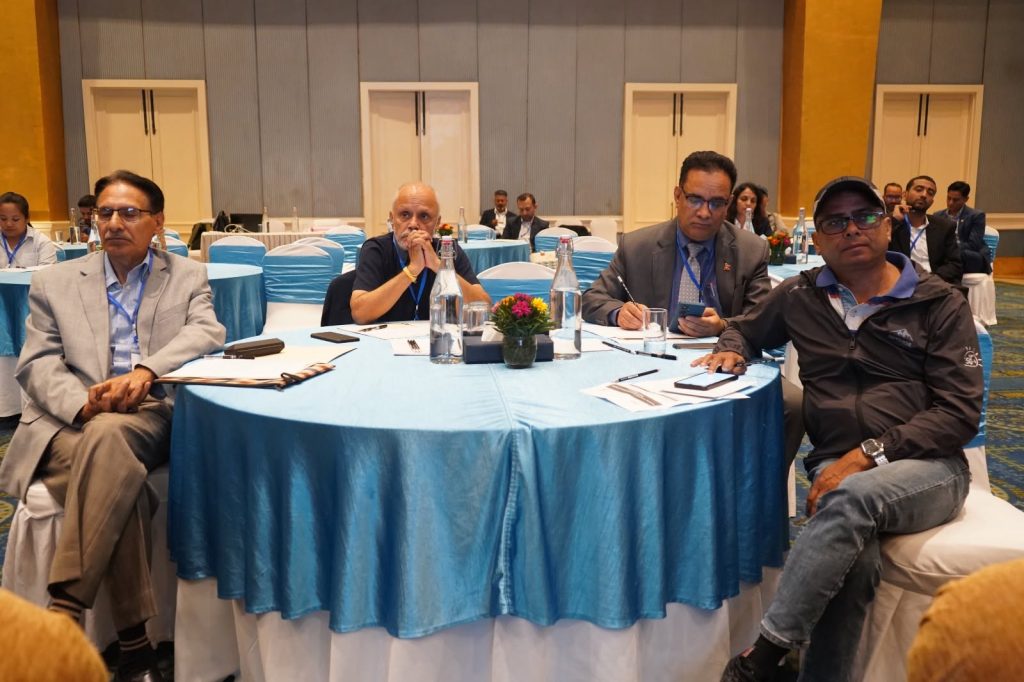
The national-level inception meeting for the handbook was held on September 21, 2026, at Hotel Yak & Yeti in Kathmandu, bringing together representatives from government agencies, tourism associations, academia, development partners and other key stakeholders.
The initiative seeks to establish a practical and needs-based framework for managing crises that may disrupt tourism activities, destinations, businesses and visitor movement across Nepal.
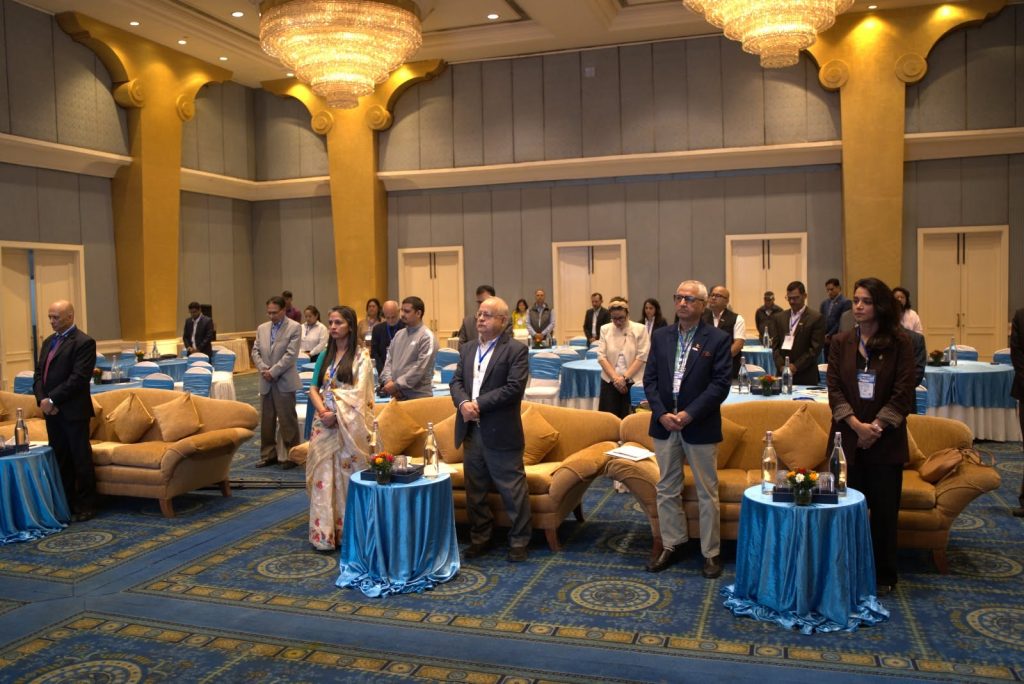
Stakeholders Discuss National Tourism Crisis Management Framework
The inception meeting marked the beginning of a collaborative process to develop a national tourism crisis management framework and a practical toolkit that can be used by tourism stakeholders at different stages of an emergency.
Participants reviewed the proposed approach and methodology for preparing the handbook and discussed the types of information, procedures and guidance that should be included. The discussions focused on ensuring that the handbook goes beyond general policy recommendations and provides practical guidance that can be applied during real-world crises.
The meeting also provided a platform for stakeholders to share experiences from previous tourism crises, identify institutional gaps and discuss areas where improved coordination could strengthen Nepal’s future crisis preparedness and response mechanisms.
Focus on Practical Guidance for Tourism Stakeholders
A key focus of the meeting was to ensure that the handbook serves as a practical resource for tourism businesses, government agencies, tourism associations and other organizations involved in crisis management. Participants discussed the responsibilities of different institutions and tourism-sector actors during emergencies, along with the procedures and measures required for preparedness, response and recovery.
The stakeholder consultations are expected to help identify the specific crisis-management requirements of the tourism industry and incorporate them into the handbook. The approach will combine institutional knowledge, field-level experience and expert perspectives to develop guidance suited to Nepal’s tourism context.
Senior Tourism and Disaster Management Officials Participate
The meeting brought together senior representatives from Nepal’s tourism, planning and disaster-management sectors. Among those participating were Prof. Dr. Sanjaya Acharya, Member of the National Planning Commission; Sarah Mathews, Trustee of the PATA Foundation; Dr. Indra Prasad Sapkota, Secretary at the Ministry of Tourism, Forests & Environment of Koshi Province; and Roshan Jnawali, Secretary at the Ministry of Industry & Tourism of Gandaki Province.
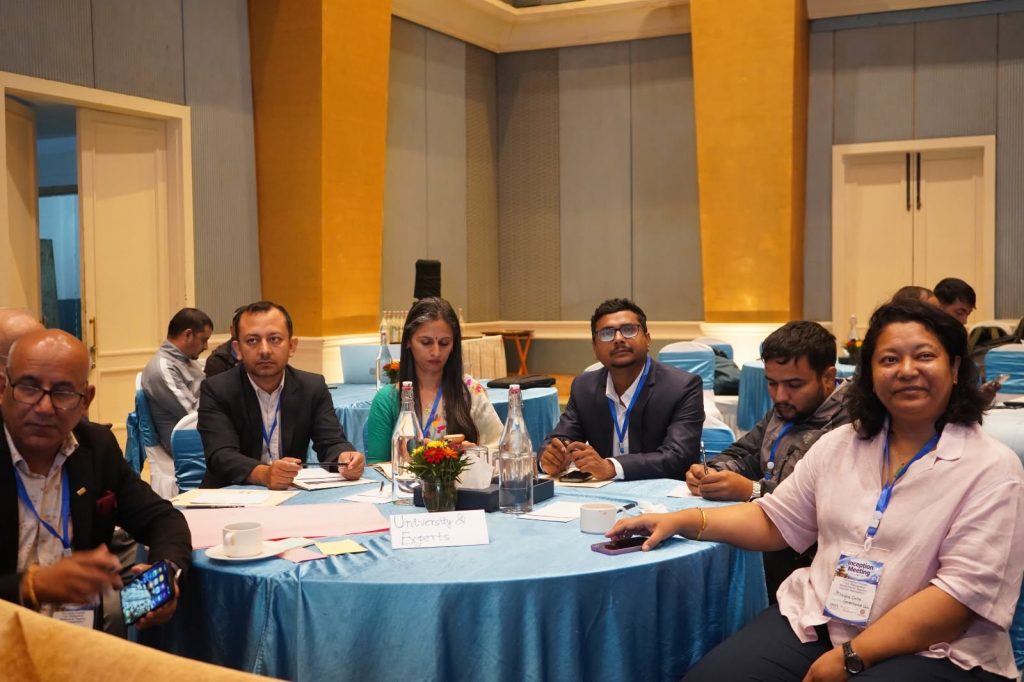
Dr. Prakash Pokhrel, Spokesperson of the National Disaster Risk Reduction and Management Authority (NDRRMA), also participated in the meeting, along with members of the Project Advisory Committee. Representatives from the Ministry of Culture, Tourism and Civil Aviation (MoCTCA), Nepal Tourism Board (NTB) and various tourism associations were also present.
Their participation is expected to bring diverse institutional perspectives into the development process and help clarify the respective responsibilities of government bodies, tourism organizations and private-sector stakeholders during tourism-related emergencies.
Lessons from Previous Crises to Shape Handbook
The project will draw on experiences and lessons from previous crises affecting Nepal’s tourism industry. During group discussions, participants shared their experiences, perspectives and institutional roles during past emergencies and highlighted areas where stronger coordination and clearly defined responsibilities could improve crisis management.
The discussions are expected to help determine what information, procedures and operational guidance stakeholders would require before, during and after a crisis. By incorporating these experiences into the handbook, the project aims to create a common reference point for stakeholders involved in tourism crisis preparedness and response.
PATA Nepal Chapter and KUSOM Lead Initiative
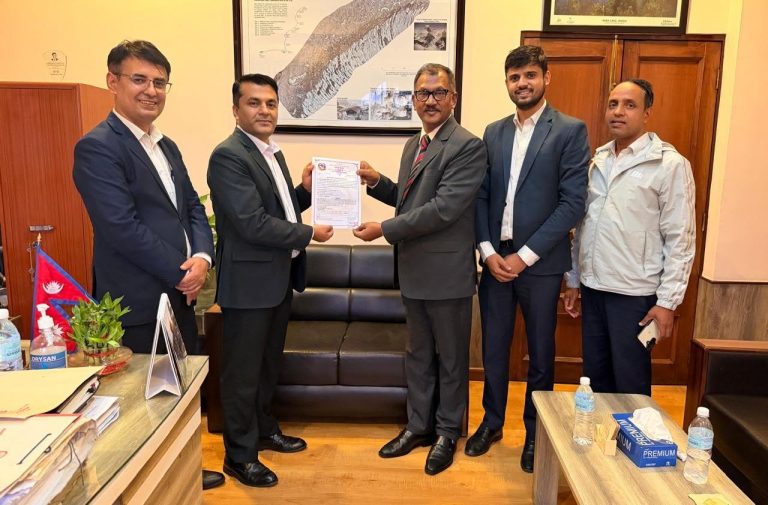
The handbook is being jointly developed by the PATA Nepal Chapter and Kathmandu University School of Management (KUSOM). The project is being implemented in collaboration with the National Disaster Risk Reduction and Management Authority (NDRRMA), Nepal Tourism Board, Ministry of Tourism, Forests & Environment of Koshi Province, and Ministry of Industry & Tourism of Gandaki Province.
The initiative is supported by the Swiss Agency for Development and Cooperation (SDC), with the Embassy of Switzerland also supporting the project. The collaboration brings together tourism institutions, disaster-management authorities, academia, provincial governments and development partners to develop a coordinated approach to tourism crisis management.
Handbook to Cover Preparedness, Response and Recovery
The planned handbook is expected to address the different stages of tourism crises, including preparedness, response and recovery.
It will seek to clarify the roles of relevant institutions and provide guidance that can help tourism businesses and authorities respond more effectively when emergencies affect destinations, tourism infrastructure, businesses or visitor movement.
The needs-based approach is intended to ensure that the final handbook reflects the practical realities faced by Nepal’s tourism sector rather than functioning solely as a policy-oriented document.
Collaborative Process to Build Tourism Resilience
The inception meeting represents an initial step toward strengthening Nepal’s institutional capacity to prepare for and respond to crises affecting tourism. The continued participation of government bodies, tourism organizations, private-sector stakeholders, academia and development partners is expected to support the handbook’s development and eventual implementation.
By bringing together evidence, lessons from previous crises and stakeholder recommendations, the initiative aims to establish a stronger foundation for coordinated tourism crisis management in Nepal.
The handbook is ultimately expected to serve as a practical resource for tourism stakeholders and contribute to building a more prepared, coordinated and resilient tourism ecosystem capable of responding to future emergencies.